
How to actually speed up your baking line (without ruining the bread)
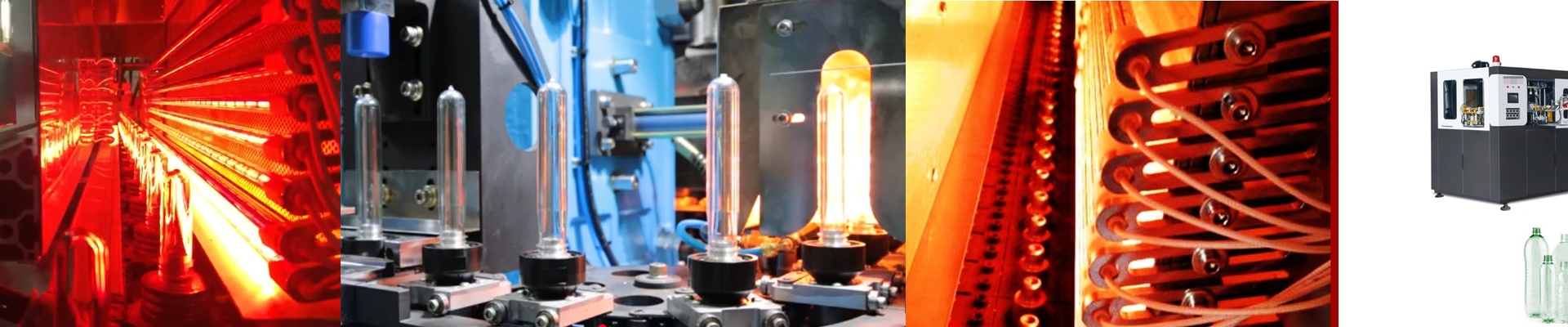
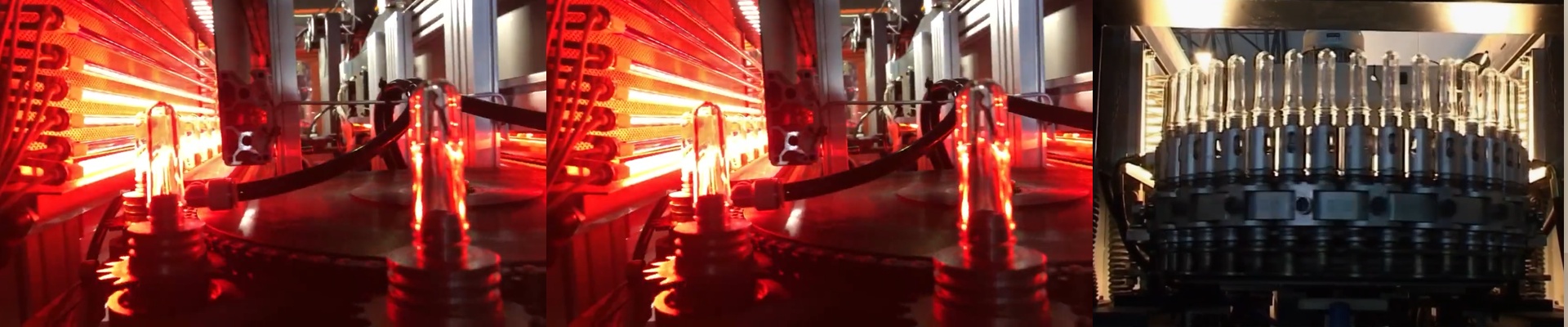
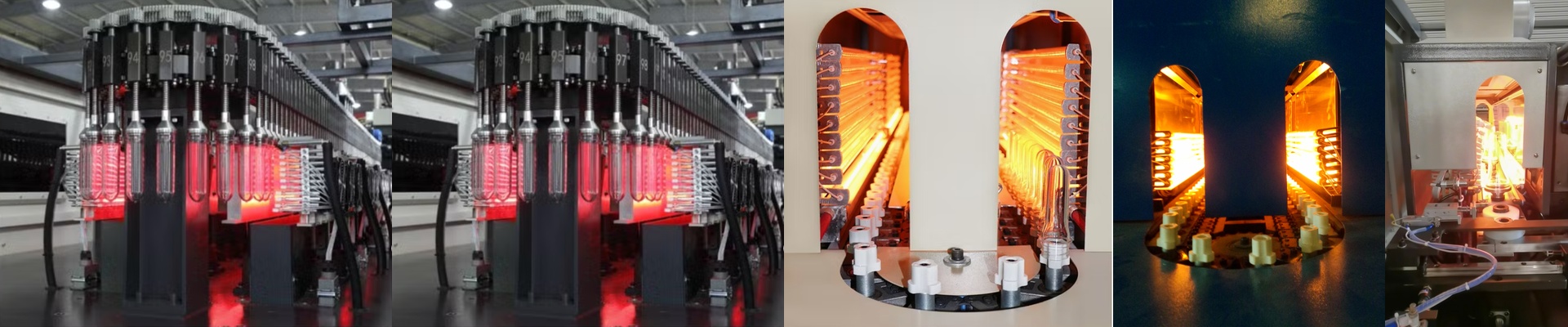
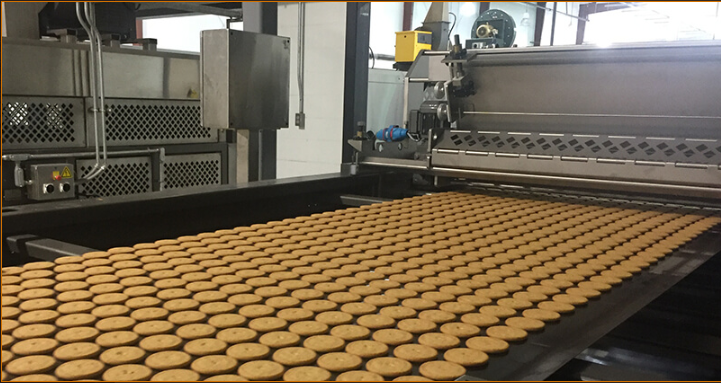
If you’re trying to push more product through a catering deck oven or a conveyor line, you’ve probably hit a wall. That wall is usually thermal recovery time. Standard resistive elements are slow. They rely on convection—basically heating the air and hoping that heat eventually finds your dough. It takes forever. We handle this by swapping those out for short-wave infrared (IR) lamps. Instead of warming the room, we push the heat straight into the product. Why this actually works To get your production line moving faster, you need heat density. Lots of it, and fast. These lamps hit peak temperature in seconds. Since you’re using electromagnetic radiation rather than hot air, you can either shrink the size of your oven or crank up the belt speed. You get the throughput you want without ending up with a raw center. The nuts and bolts We build these to be drop-in replacements. Most of the time, we use quartz glass envelopes with halogen-filled cores to keep the filament stable. For the wiring, we stick with R7s or SK15 connectors because nobody wants to spend an hour fighting with a wire during a quick maintenance swap. Here’s the trick: it’s all about the wattage-to-length ratio. When you put a high-wattage tube in a small housing, you create a concentrated heat zone. But be careful. If you’re shoving a 2000W+ element into a tight spot, make sure your chassis and wiring can actually handle that current. And for heaven’s sake, leave some room for ventilation around the lamp ends, or you’ll be replacing burnt-out connectors way too often. The honest trade-off Look, IR lamps are the fastest way to ramp up heat, but they aren’t magic. The downside is the lifespan. We run these filaments at extreme temperatures to get that short-wave output, which means they’ll burn out faster than a low-wattage coil. It’s a simple trade: you accept that you’ll replace elements more often in exchange for pumping out way more units every minute. For most shops, that’s a trade they’re happy to make.