The Logic Behind Infrared Bathroom Heating
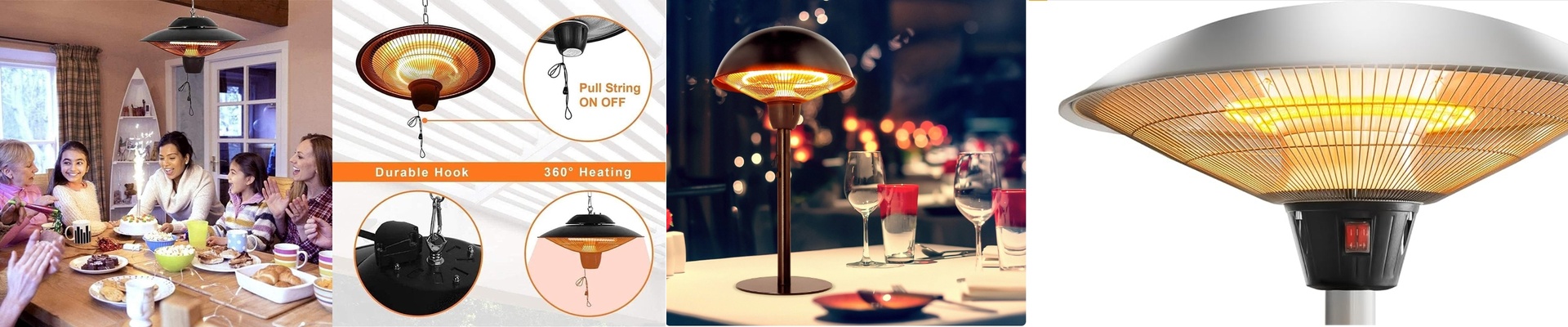
You know how standard bathroom heaters just push air around? They end up moving moisture from one spot to another. We built this infrared heater to do things differently. It shines heat directly onto surfaces—warming up walls and floors without stirring up humid air. That direct transfer is the first line of defense against mold. It keeps cold surfaces above the dew point, so condensation doesn’t get a chance to form. And the IP65 rating? It’s not just about being splash-resistant. It’s about sealing the electrical parts against the kind of humidity that bathrooms throw at you. Standard elements corrode and die fast in that environment. Our sealed housing keeps moisture out, so it stays steady—even when it’s sitting in steam.
Power, Size, and Why It Fits
These elements are specced to hit hard and fast. The wattage and voltage are matched to the job, so you get a quick thermal response—no waiting around. The size—length and diameter—are designed to drop straight into standard fixture housings. It’s a true drop-in replacement. That means less downtime during maintenance. You wire it up, and you’re back to full heat without changing mounting hardware. The power density heats up quickly, which matters in a bathroom where temperature swings can invite condensation.
The Materials That Make It Last
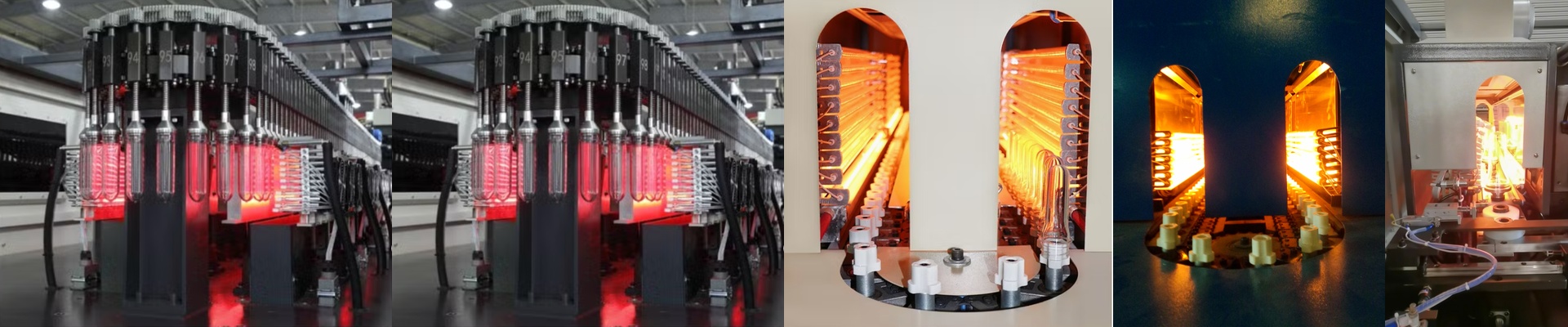
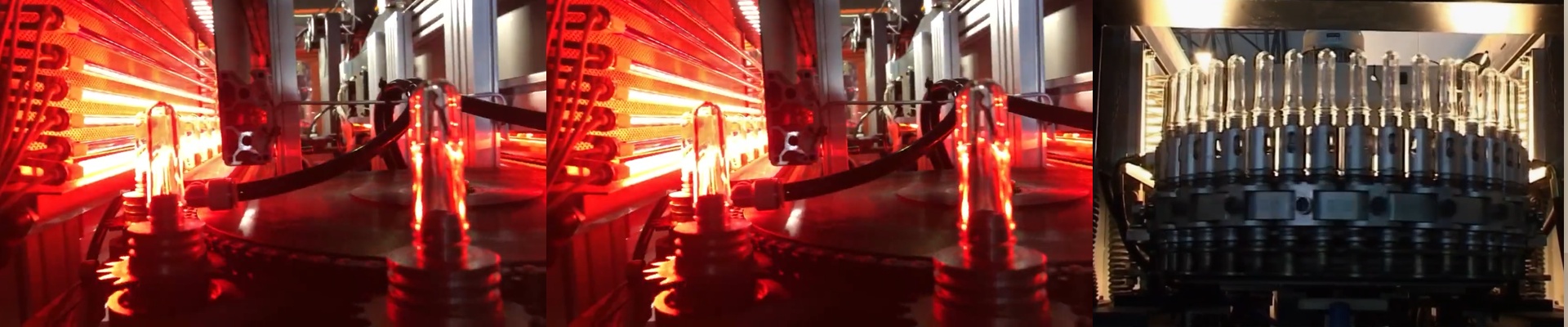
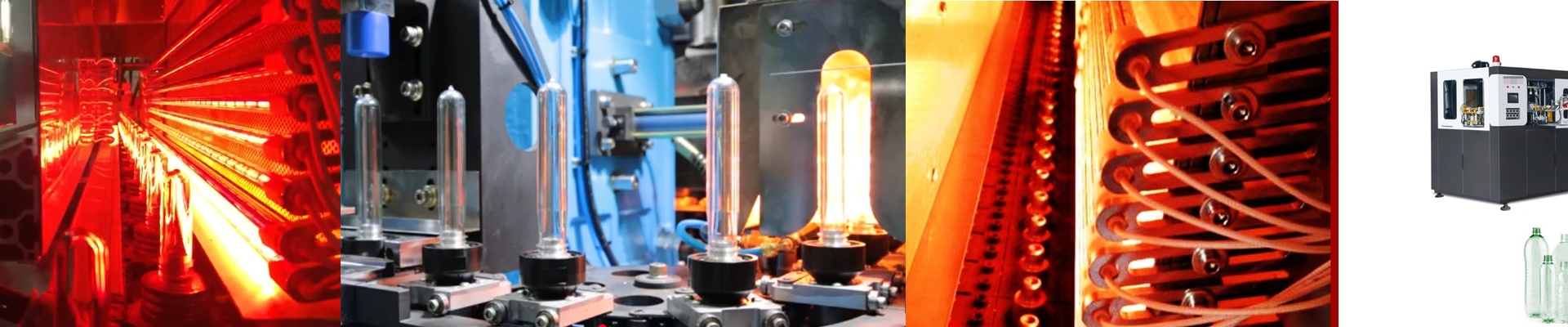
Inside, you’ve got a quartz tube with a halogen-filled filament. That setup produces short-wave infrared radiation, which penetrates surfaces and heats them directly. Quartz handles thermal shock well, and the halogen cycle helps keep the filament clean—so the element stays alive longer. Then there’s the R7s connector. It’s a small detail, but it matters. It gives you a secure, double-ended connection that can handle high current without arcing. It’s the same connector you’ll find on industrial heating fixtures, so it’s compatible and reliable—mechanically and electrically.
What It Does in a Bathroom—And What to Keep in Mind
In a bathroom, the real goal is moisture control. The infrared spectrum targets cold spots—the very places where condensation breeds mold. By keeping surface temperatures steady, it removes the conditions mold spores love. This isn’t a filter. It’s prevention—straight at the environment. The trade-off is heat density. The output is concentrated, so the fixture and nearby materials need to be rated for higher temperatures. Plan your thermal management accordingly. For maintenance teams, the IP65 seal and the standard R7s connection mean fewer callbacks from moisture failures—and faster replacements when a job needs to be done.