
When the morning rush hits, the deck oven can’t sit idle while you wait for it to come up to temp. Preheat lag eats into your production window, and uneven heat leaves loaves pale on one side and scorched on the other. You end up paying for it in wasted dough, lost minutes, and inconsistent output.
What matters under the hood
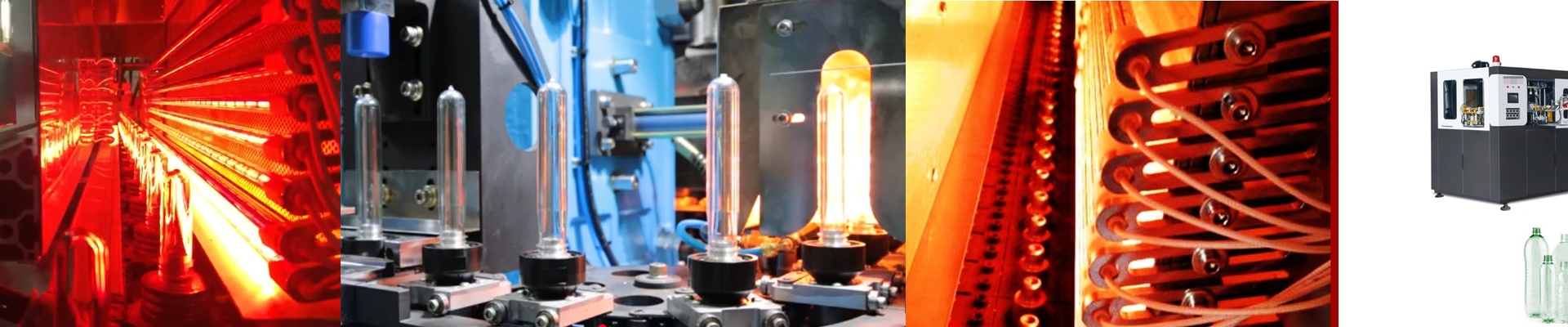
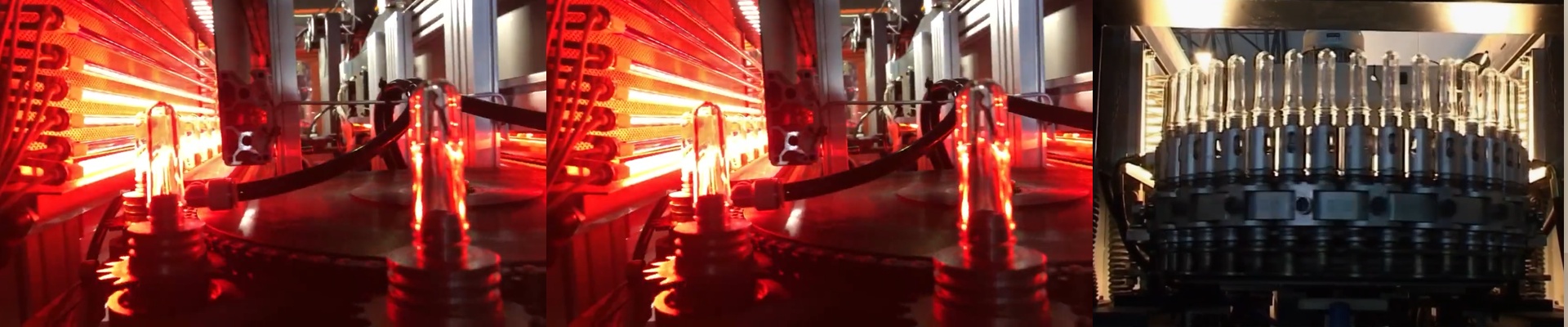
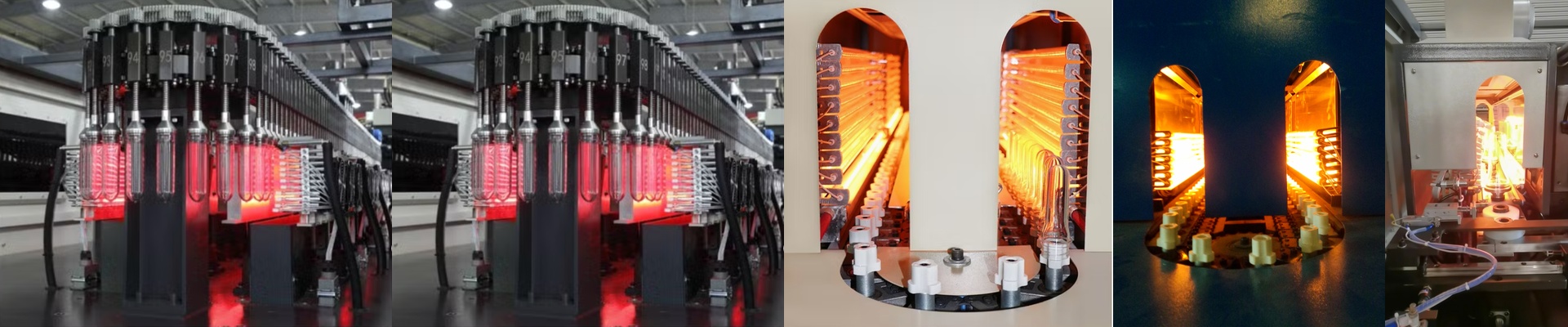
This 250W ceramic heater is built around a stable ceramic core, so resistance stays predictable and radiant output stays steady. At 250W, it adds supplemental heat that helps the baking chamber recover fast after door openings and during heavy loads—without overshooting the setpoint. Ceramic handles thermal shock well, so it stands up to repeated heat cycling. The compact form also fits into tight oven cavities where bigger elements simply won’t go. Expect quick response, stable resistance, and a heat profile that works alongside your main heating system, not against it.
Why this makes sense in a bakery oven
In a bakery oven, you’re chasing repeatable heat, not just peak temperature. The 250W ceramic heater cuts the preheat wait by adding targeted heat where you need it most, so you can get that first bake started sooner. During service, it helps even out hot spots—especially along the stone hearth—supporting even crust development and controlled caramelization. Fewer rejects, more trays per hour, and less time spent chasing temperature swings.
The practical details
Installation is straightforward, but placement matters. Position the element to support even heat distribution, and make sure your oven’s voltage and terminal rating line up with the heater specs. Ceramic elements run hot at the surface, so give yourself adequate clearance and mount it properly to avoid contact with pans or oven linings. Match the thermostat or control strategy to the heater’s response time, and you’ll get the clean, repeatable bake you’re after.