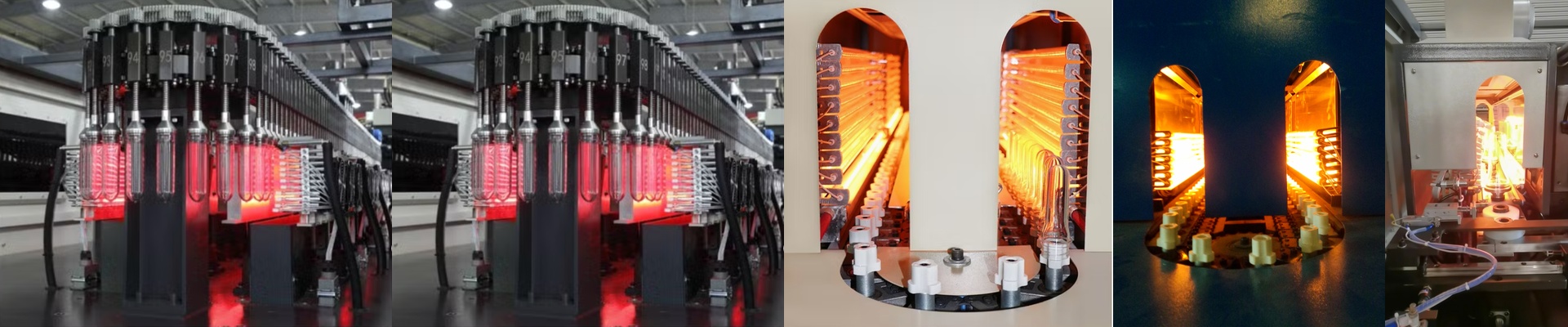
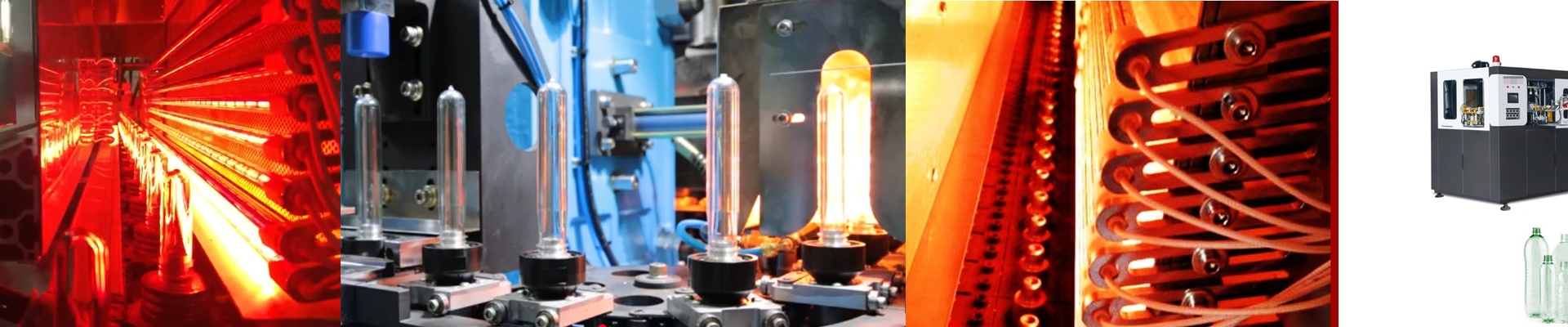
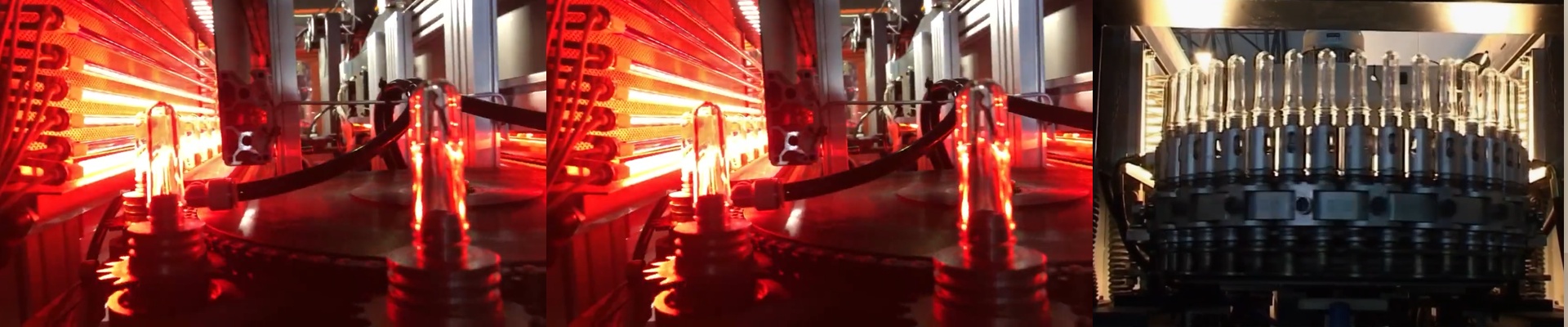
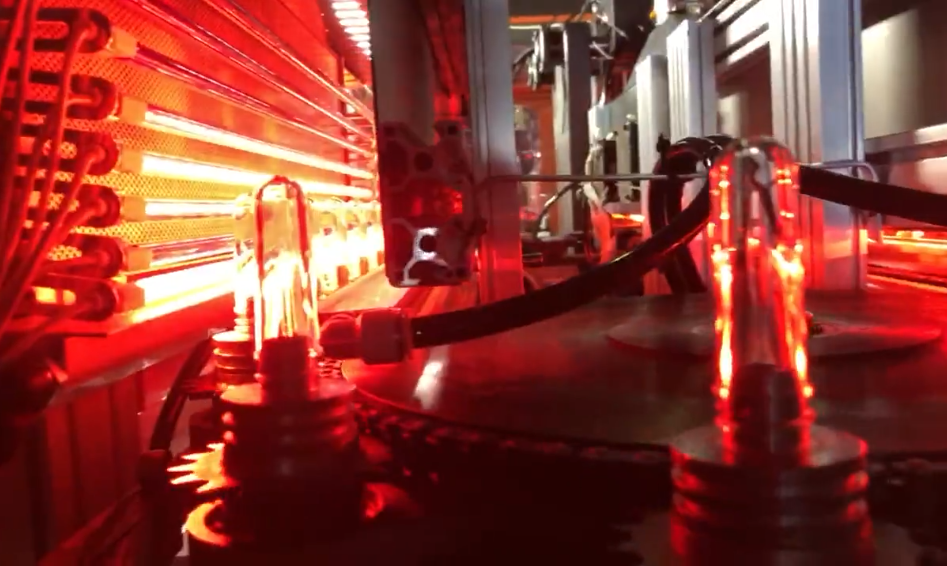
On the plant floor, a Krones blow molder running stretch blow molding has zero patience for uneven preform heating. When the halogen or quartz emitters get old, they drift. You start seeing color bands, wall thickness issues, and a spike in rejects. What you need is a drop-in replacement that puts the heating profile back where it should be—without re-engineering the heating tunnel. What matters, technically We build the replacement quartz heater to match the Krones machine geometry and electrical interfaces. We cross-check element length, tube diameter, and end-seal type against the OEM reference so it mounts clean and lines up with the reflectors. The short-wave infrared emitters come in standard voltages, with tight control on watt density and spectral output, so the preform surface heats fast and repeats the same every cycle. Inside, the filament support and quartz purity cut down on hot spots, and the leads are terminated to match your connector—usually R7s—so the swap is quick. Why it works in the real world Drop this into your Krones blow molder and the heating curve across the preform gets restored. That means more consistent material temperature before stretching, fewer pinholes and stress marks, and less scrap. Energy use drops, too, because the emitter hits set temperature fast and holds stable output, so the heating section isn’t chasing swings. With predictable life and an easy swap-in, you cut unplanned downtime and keep cycle times where they belong. A few things to get right Matching the heater is only half the job. Check the reflectors—dents or soot buildup scatter energy and drive uneven heating. Set the power supply and control parameters to the emitter’s rated values, and make sure the thermocouple placement reads the preform surface, not the air. Expect slightly different warm-up behavior compared to the old lamps. Plan a short line requalification to lock in the new profile.