Introduction
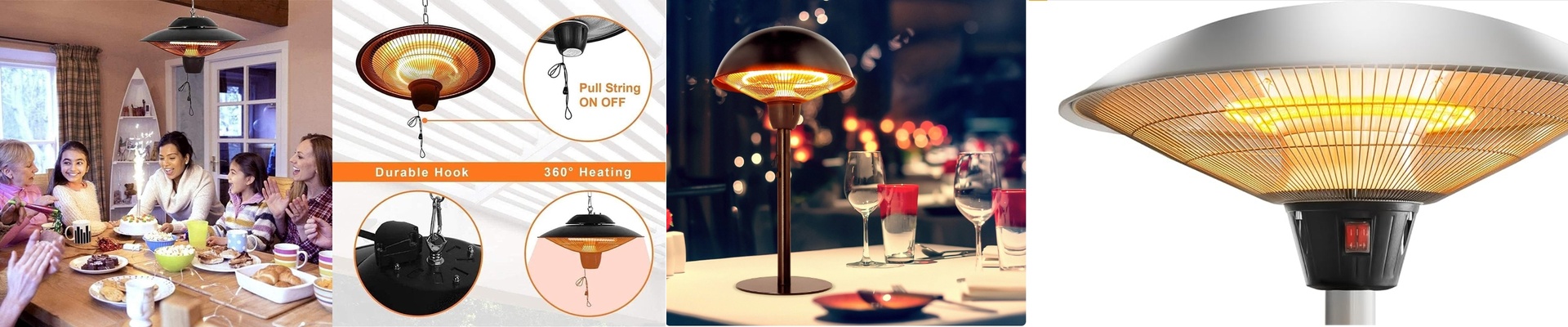
Picture the scene: a hot dog warmer that’s on all day, cycling on and off, over and over. It’s a brutal job for any heating element. What you need, more than anything, is heat the instant you call for it. No waiting. No lag. And it absolutely can’t give up the ghost after a few weeks. So, we built this rapid-response infrared lamp to thrive in that exact chaos. It’s all about delivering heat on demand, and doing it without burning out from the constant electrical stress of starting and stopping.
The Nitty-Gritty
Here’s the thing about high-frequency switching: it forces a heater to surge from a dead cold start, again and again. Most standard heaters just can’t keep up. They lag, and that means the temperature around the food dips. Our lamp? It hits its operating temperature in seconds. How? We paired the perfect voltage and wattage to the tube length, focusing all that energy into a small space. The result is predictable, reliable heat right where you need it, exactly when you need it.
What It’s Built From
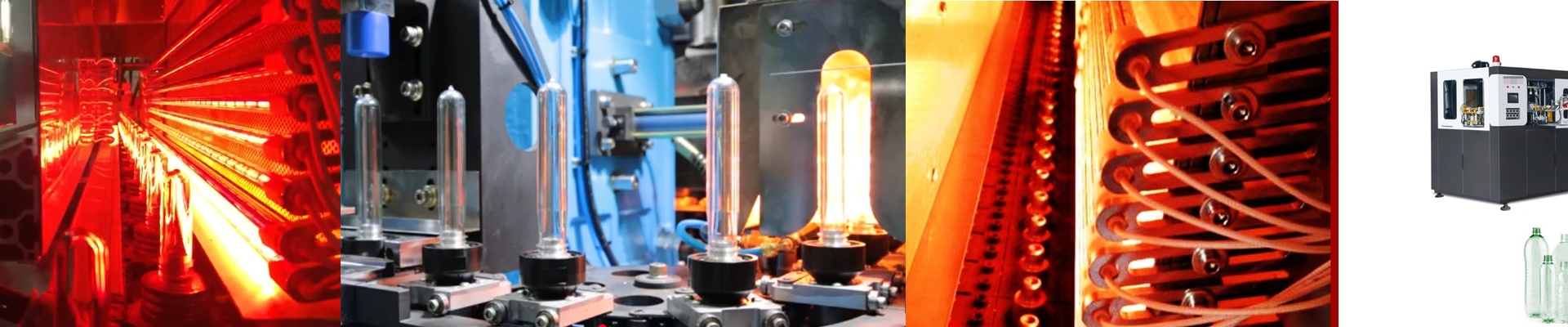
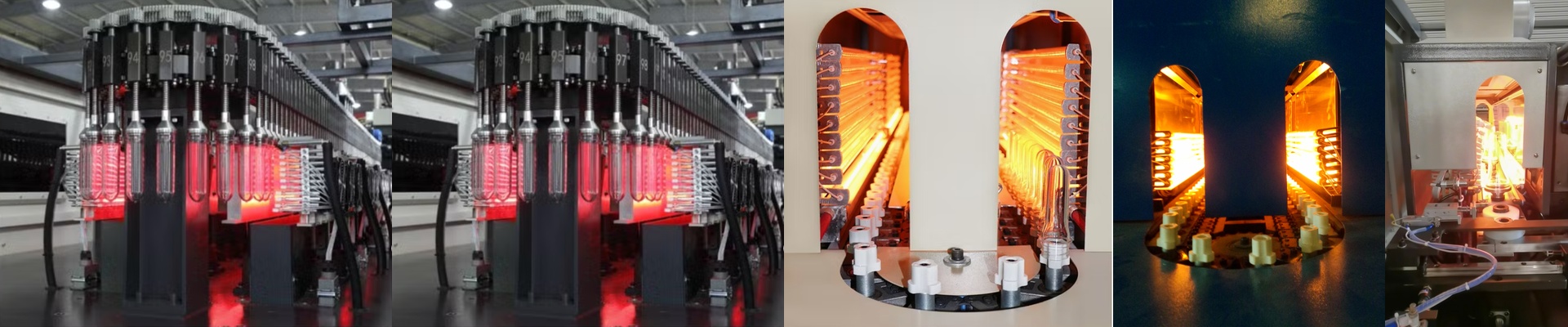
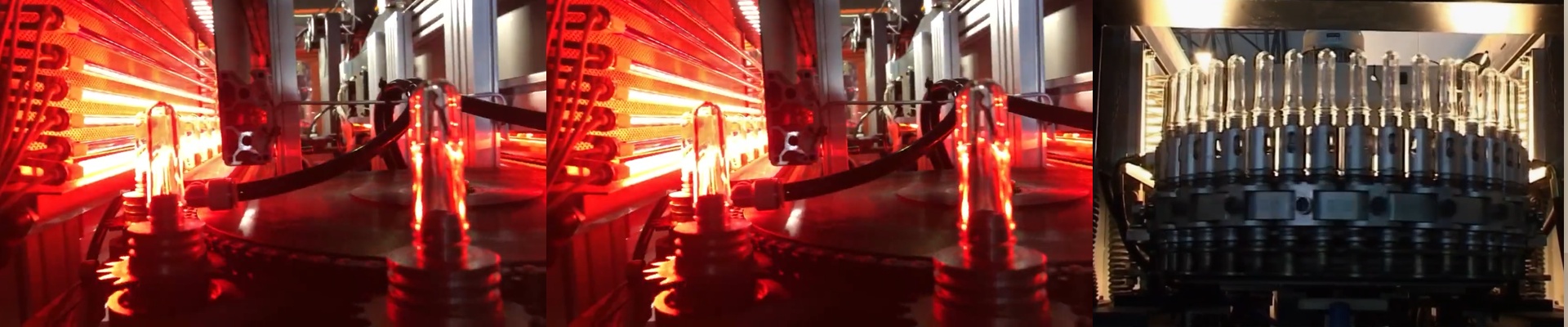
The heart of it is a quartz infrared lamp. We went with quartz because it handles that sudden shock of heat far better than glass when you’re powering up fast. Inside, the filament gets up to temperature almost instantly, blasting out shortwave infrared that gets right through the food packaging to keep everything at the perfect temp. And that R7s connector? It’s more than just a convenience. It’s a solid mechanical and electrical connection, built to handle repeated plugging and high current. It locks the lamp in tight, so you won’t get any arcing or loose contacts, even after thousands of cycles.
What This Means for You
On the line, it all adds up to fewer temperature swings and way fewer service calls. The lamp just responds, instantly, every single time. The warming zone stays consistent, no dips, no surprises. Reliability here comes down to good physics and tight tolerances. The element can handle the repeated inrush of current, and the whole assembly stays perfectly aligned. But there’s one thing to keep in mind: that kind of focused heat density needs proper airflow and clearance around the unit. You’ve got to give it some space so the surrounding components don’t get cooked. For engineers, it’s a simple, drop-in upgrade for any hot dog warmer that needs heat fast and needs to keep running.