Stop Waiting on Your Oven to Heat Up
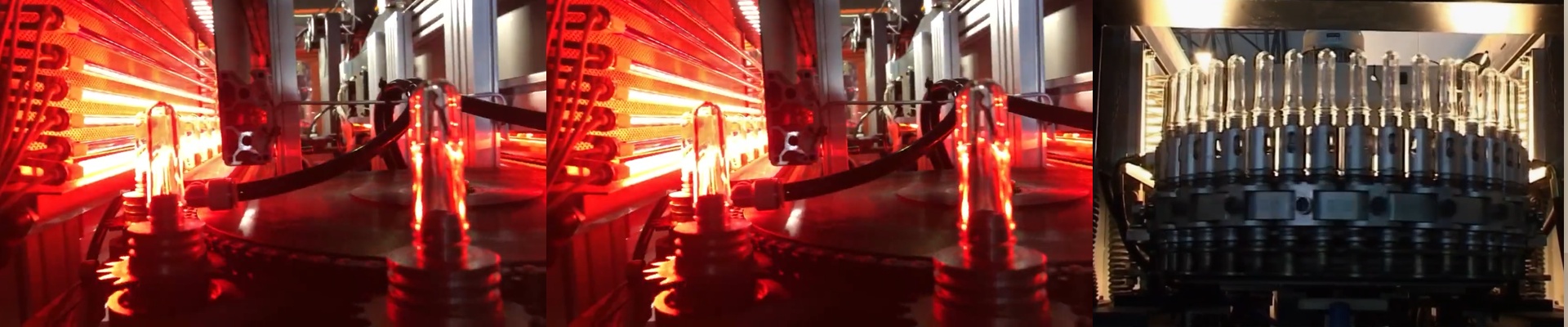
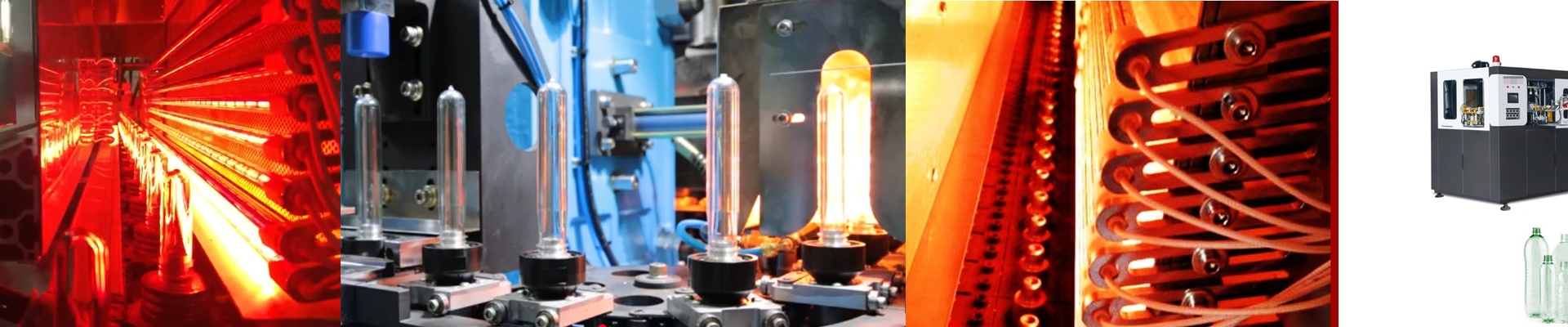
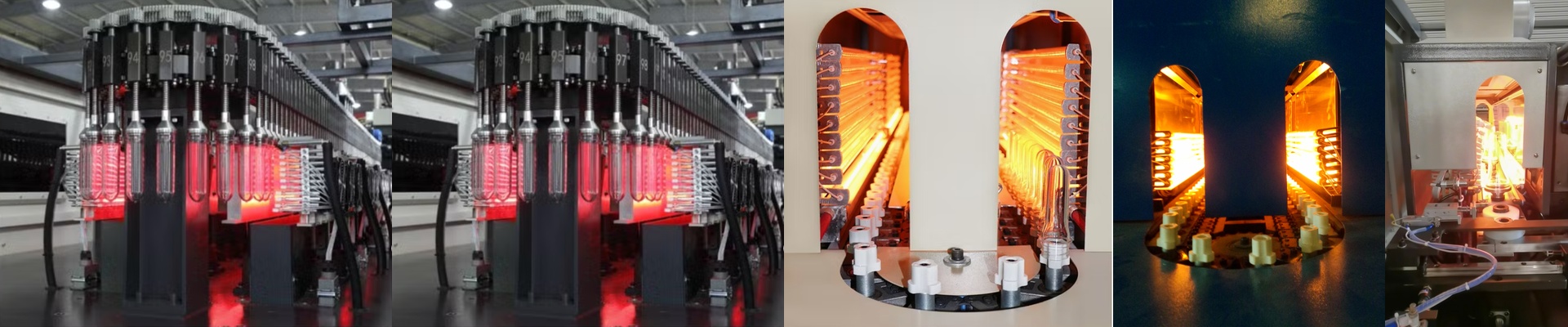
If you’ve spent any time with a standard deck oven, you know the frustration. You’re waiting on conduction and convection to do their thing, which usually means a slow preheat and a painful lag in temperature every time you slide a new batch in. It kills your momentum. To fix this, we’ve started adding infrared (IR) heating bulbs into the mix. Instead of wasting time heating up the air inside the oven, IR sends energy straight into the baking stone and the dough. It’s a shortcut. A fast one.
How it actually works
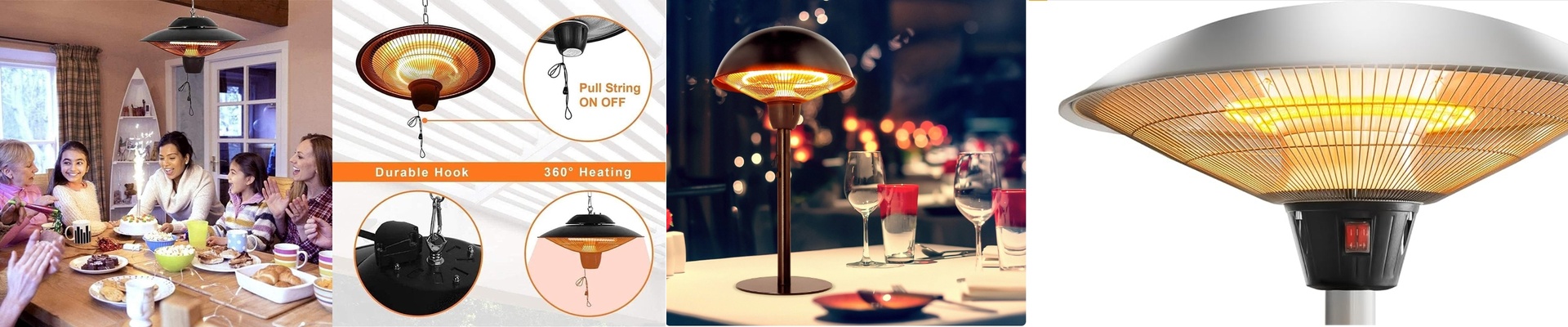
Think of it like stepping into the sun on a cold day. You don’t wait for the air around you to warm up; you feel the heat on your skin instantly. We use quartz halogen bulbs that shoot out short-wave radiation. This stuff doesn’t mess around—it penetrates the surface of the stone and the dough almost immediately. No more “snail-pace” warm-ups. You get your deck to the right temperature faster, and your production rhythm stays tight.
The gear under the hood
We don’t just throw any lightbulb in there. We pick these based on how much heat density you need per square inch. Usually, that means high-wattage quartz tubes filled with halogen gas. We do this so the filament doesn’t just snap under the intense heat. Depending on your power setup, we wire them for 220V or 380V. We use R7s or SK15 connectors because they lock in tight. You don’t want things rattling or sparking when the oven is humming along. Plus, we often use a coated tube. It tweaks the heat spectrum so you get a deep, consistent bake without scorching the top of your crust before the middle is even done.
A few things to keep in mind
Adding IR bulbs definitely cranks up the heat, but it does put more pressure on your controls. You can’t just “set it and forget it.” You’ll need fast-acting PID controllers and solid thermocouples. If your sensors are sluggish, the bulbs might over-fire, which is a great way to burn through your hardware way too quickly. And don’t just slap them in anywhere. Spacing is everything. If the bulbs are too close to the deck, you’ll end up with hot spots that ruin your bread. We mount them at a specific distance so the heat spreads evenly across the whole area. It takes a bit of tweaking, but once it’s dialed in, the difference in your workflow is huge.