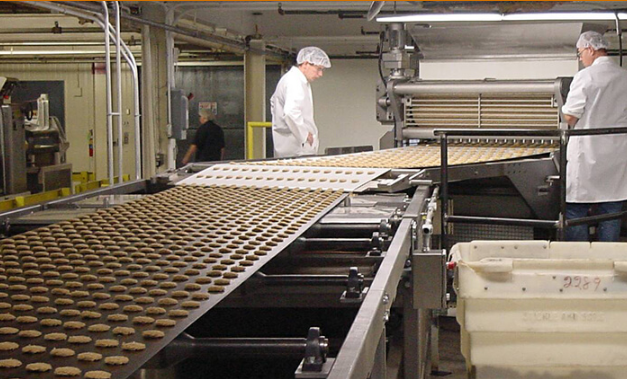
Keeping Your Deck Oven From Giving Up the Ghost
If you’re running a deck oven for 10 hours a day, you know the struggle. You’re putting those heating elements through absolute hell. When people ask me about using domestic infrared tubes instead of the big, expensive brands, they aren’t asking about “luxury.” They want to know one thing:Will this thing actually last, or is it going to burn out in a month? Here’s the deal with the heat. We use short-wave infrared lamps because they don’t just warm up the air—they punch right through the dough and the stone. To make that work, the quartz glass has to be top-notch. If the glass is cheap, the tube will bow or just snap under the pressure of a long shift. It’s a brutal environment in there. I get why some engineers are nervous about domestic tubes. There’s this idea that they just can’t keep up with the fancy imports. But honestly? It all comes down to the vacuum seal and the gas inside. We use tungsten filaments and a precise halogen cycle that does the job just as well. As long as that seal is tight and the gas is pure, you stop the oxidation that usually kills a lamp. You get the same heat, the same power, and a whole lot more money left in your pocket. But there is a catch. These high-output tubes put out an intense amount of heat. If your oven’s ventilation is a mess, that heat can soak back into your wiring and fry your connectors. You can’t just slap in a high-wattage tube and hope for the best; you’ve got to make sure your sockets can breathe. We designed these to be simple. They slide right into your standard brackets and plug into your current controllers. As long as your power is steady, these tubes will handle the grind of a commercial bakery without making you pay a “brand name” tax.