Stop Guessing Your Browning: The Truth About Rapid-Response Heating Coils
Ever try to get that perfect “charred but tender” crust in a commercial oven, only to have it come out either pale or burnt to a crisp? It’s frustrating. But here’s the thing: that perfect texture happens in a tiny temperature window. If your heating coils are slow to react, you miss that window entirely. You’re basically gambling with every batch.
Why “Standard” Coils Often Fail
Most heating elements have too much “thermal mass.” In plain English? They’re too chunky. They take forever to heat up and even longer to cool down. We did things differently with our quartz-based coils. We stripped away the lag. Now, you can hit your target temperature in seconds. This lets you blast the surface of the food to get that beautiful caramelization without accidentally cooking the middle into a hockey puck. It’s all about speed and precision.
The Gear Inside
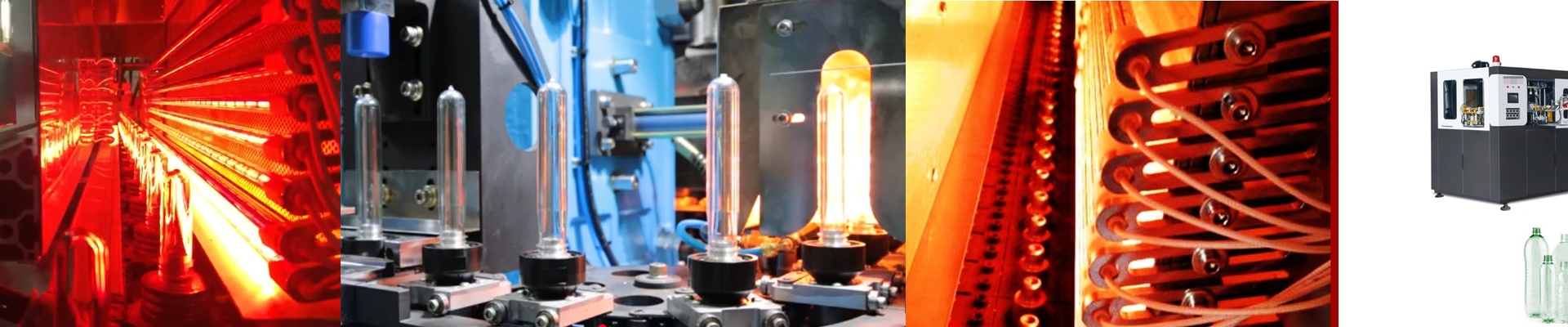
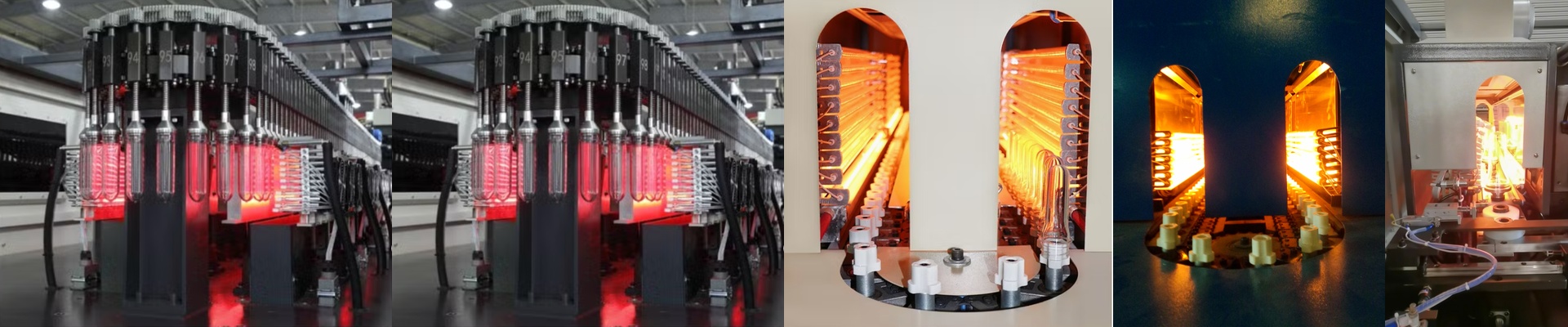
We use high-purity quartz tubing for the filament. Why? Because quartz doesn’t freak out when the temperature swings wildly—unlike standard glass, which can crack under the pressure. We also cranked up the wattage density. This means the heat radiates instantly and evenly across the whole tube. No more “cold spots” where half your tray is golden brown and the other half looks like it never saw a heater.
Swapping Them Out (And a Quick Warning)
These are designed to be drop-in replacements. We kept the footprints standard, so you don’t have to tear apart your oven chassis or get fancy with the hardware. Just wire them into your existing controllers and you’re good to go. But, a word of advice: these high-density coils pull a lot of power. If you’re upgrading to a higher wattage to speed up your production,check your wiring gauge first. If your wires are too thin, they’ll overheat trying to keep up with those rapid temperature spikes. It’s a simple check that saves you a massive headache later.