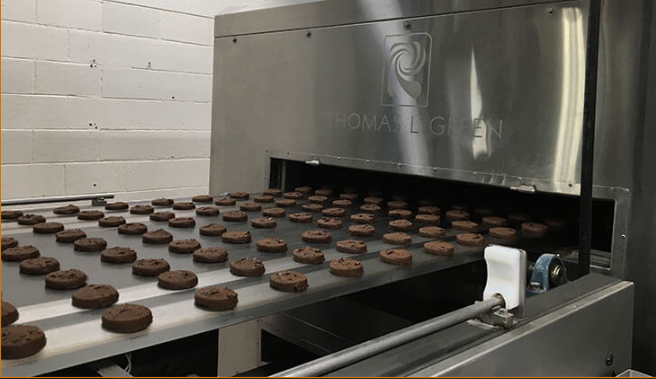
Stop Drying Out Your Bread: A Better Way to Heat
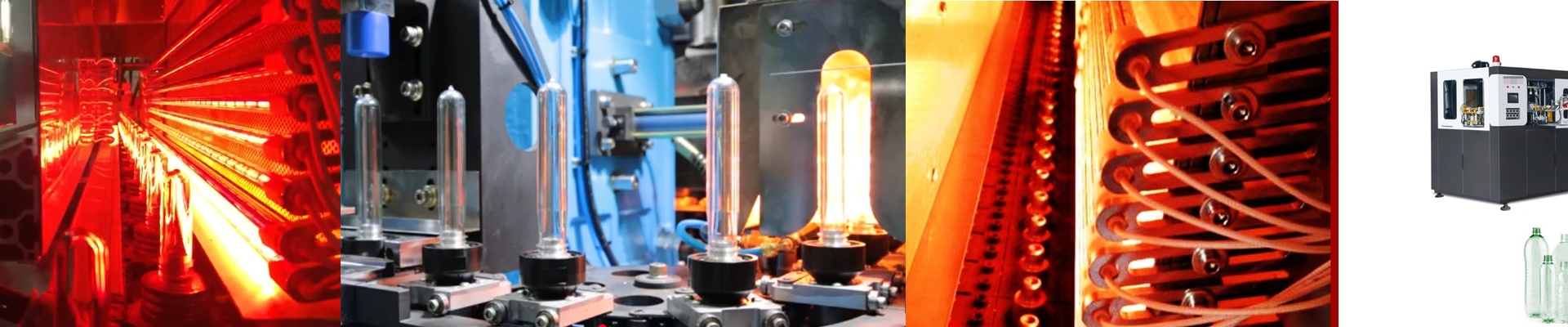
Ever notice how a standard convection oven can leave your food feeling like a sponge that’s been left in the sun? It’s a common headache. The hot air strips all the moisture off the surface long before the middle is actually cooked. We handle this differently. Instead of just heating up the air and hoping for the best, we use infrared (IR) quartz bulbs. Think of it less like a breeze and more like sunlight. The heat doesn’t just sit on top; it sinks in. By tweaking the wavelength and the intensity, you can actually keep the moisture where it belongs—inside the food.
How the Heat Actually Works
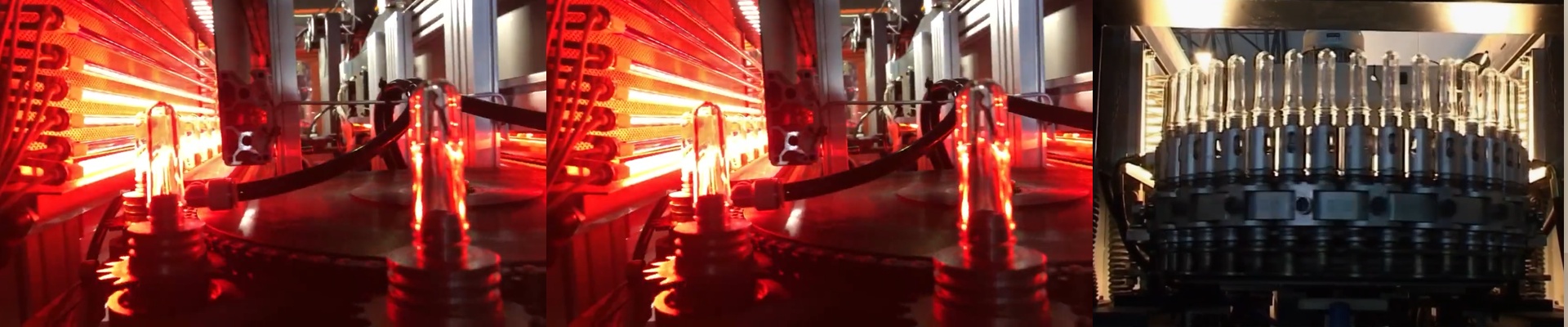
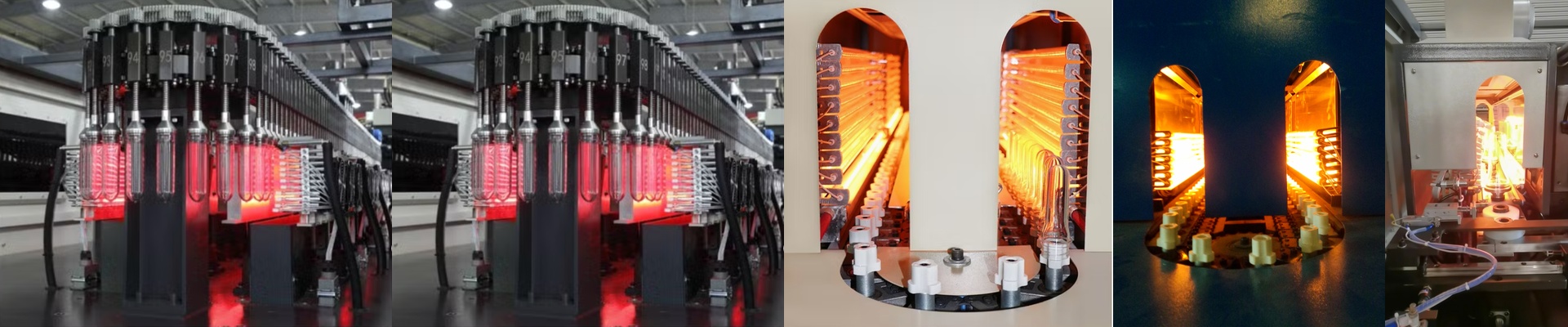
Most heaters rely on air moving around. IR bulbs aren’t like that. They send energy straight to the target. We set these lamps up to deliver a heavy hit of heat. By playing around with the wattage and how far the bulb sits from the product, you can dial in the “flow.” This means you don’t have to worry about a charred crust hiding a raw center. Shortwave IR is the secret here—it dives deeper into the food, so the surface doesn’t have to suffer through high heat for nearly as long.
The Nitty-Gritty on Hardware
We use high-purity quartz glass because it doesn’t crack when the temperature swings wildly. To keep things safe, we stick with reliable connectors—R7s or SK15—so you don’t get any nasty electrical arcs when the current kicks in. One heads-up: you have to get your voltage and wattage exactly right. If you go too heavy on the power without adding enough cooling, you’re asking for trouble. You could melt your sockets or warp the reflector housing, and nobody wants to deal with that.
The Trade-offs
Here’s the thing: IR heating is fast. Like, really fast. And that speed can be a bit of a double-edged sword. Since the heat hits almost instantly, your PID controllers need to be tuned perfectly. If your sensors are slow to react, you’ll overshoot your goal and end up with scorched product. You get incredible heat density, but you’ve got to be mindful of where the lamps are placed to avoid those annoying hot spots.