Stopping the Temperature Rollercoaster in Rotary Ovens
Anyone who’s worked with rotary ovens knows the headache. You open the loading door, a blast of cold air hits the chamber, and suddenly your internal temperature tanks. It’s a mess. You end up with cold spots, uneven bakes, and a lot of wasted product. To fix this, we use 800W infrared (IR) heaters tied into real-time compensation loops. It basically kills those temperature swings before they can ruin your batch.
Why 800W IR?
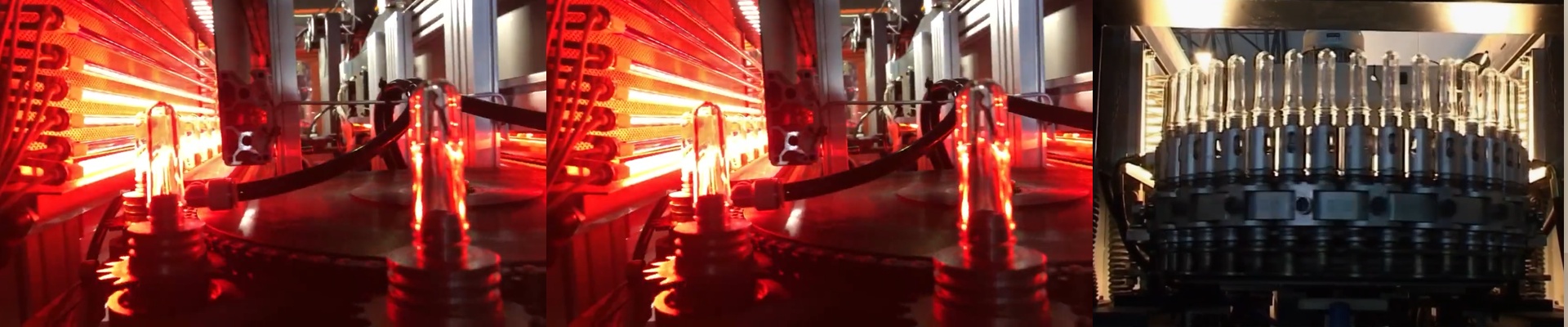
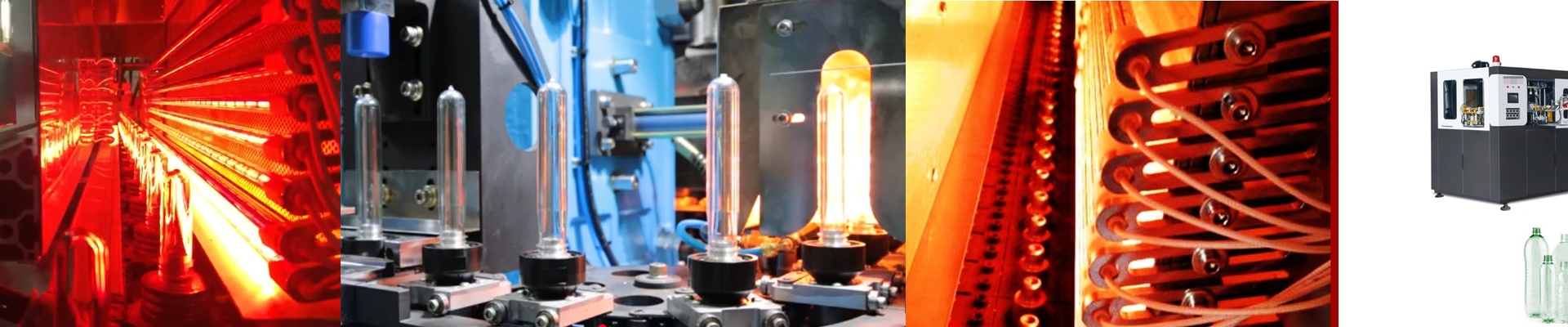
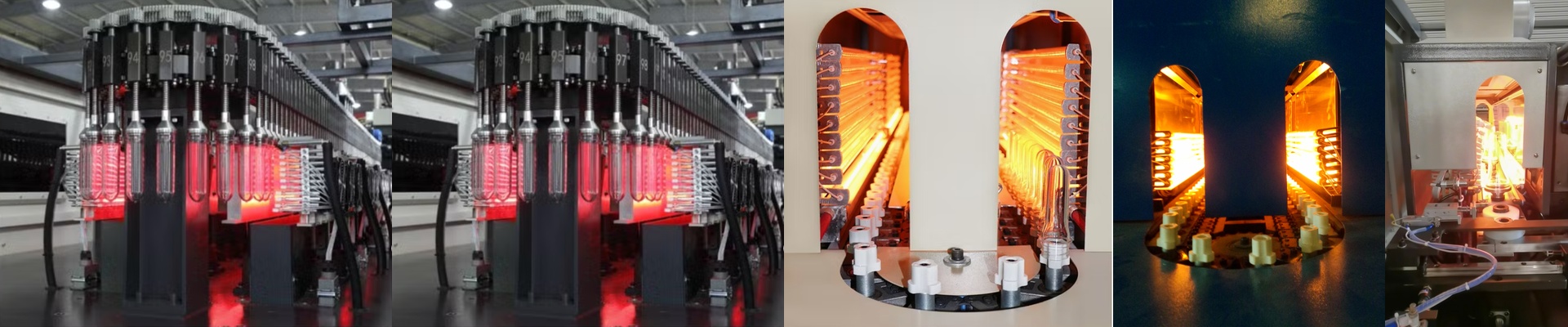
Here is the thing about IR lamps: they don’t mess around with heating the air first. While convection takes its time warming up the room, IR radiation hits the product directly. It’s fast. Really fast. We use these 800W lamps because they react almost instantly. The second a sensor picks up a tiny 2-degree dip, the IR element kicks in to bridge that gap. No waiting, no lagging. Just steady heat.
Keeping it Under Control
Now, you can’t just blast these lamps at 100% power or you’ll end up with charcoal. That’s why we wire them into a PID controller. Think of it as a brain that monitors the drift and tweaks the power output in milliseconds. It handles the heavy lifting in the background, so your set point stays locked in, even when the doors are flying open and shut.
The Catch (and how to handle it)
It isn’t all plug-and-play, though. 800W lamps put out a lot of intense, localized heat. If you cram too many of these tubes into a tight housing, you’re going to have problems. You could warp the oven frame or fry your bearings. You have to be smart about lamp spacing and airflow. Plus, you need decent shielding. You want that heat soaking into your product, not melting your machine’s chassis. When you get the balance right, you stop worrying about the weather or the loading door. You just get a stable, predictable bake every single time.