Making Your Bathroom Mirror Heater Actually Smart
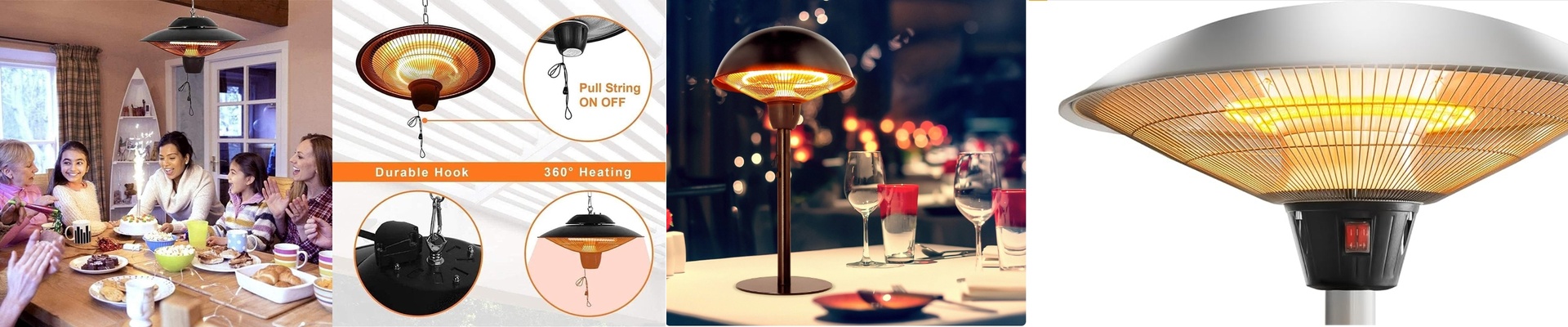
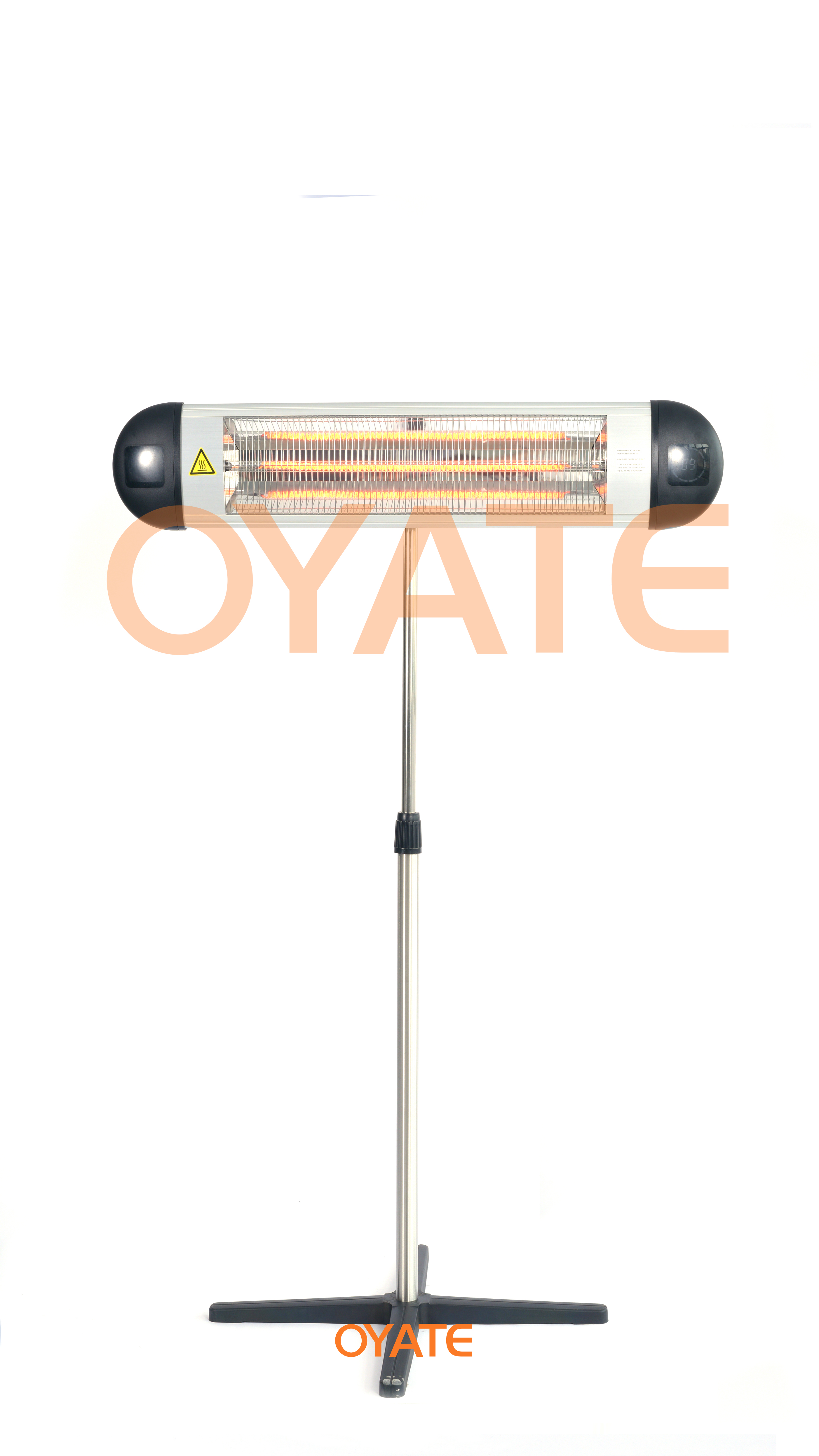
Ever stepped into a freezing bathroom on a winter morning? It’s the worst. You’ve got cold tiles under your feet and that damp, chilly air that makes you want to jump straight back into bed. That’s where mirror infrared heaters come in. Unlike a standard space heater that tries to warm up all the air in the room, these things beam heat directly at you. It’s a different kind of warmth—more like standing in a patch of sunlight. The best part? You don’t have to touch a cold switch. When you hook these up to a smart home system, you can have the heat waiting for you before you even open the door.
Why it feels instant
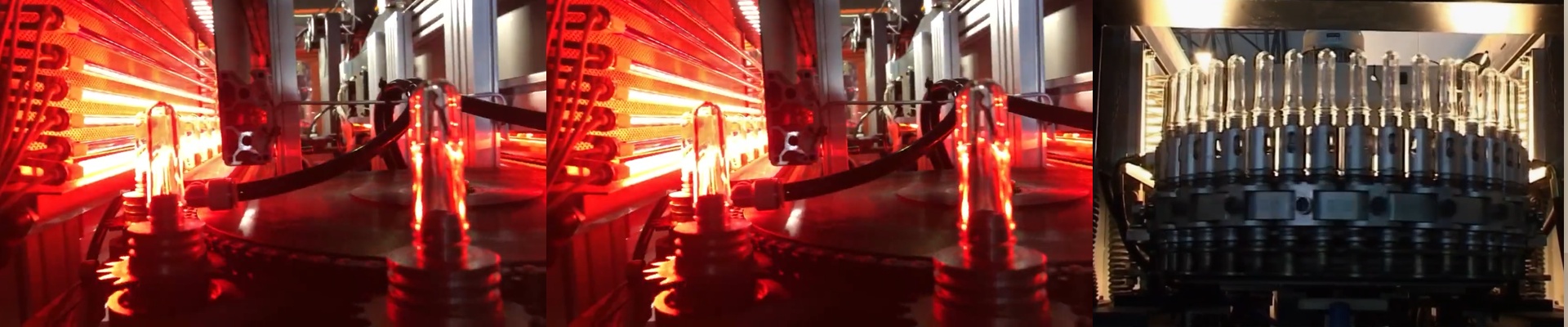
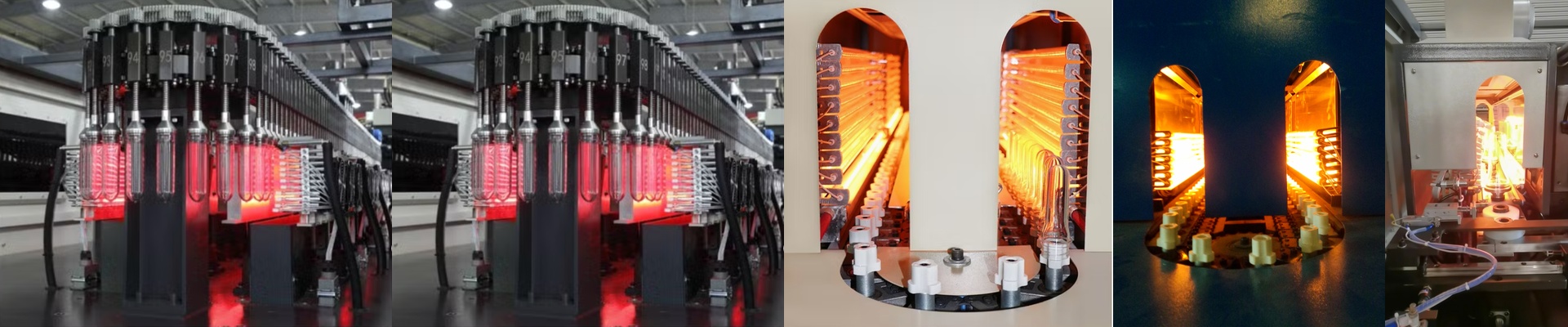
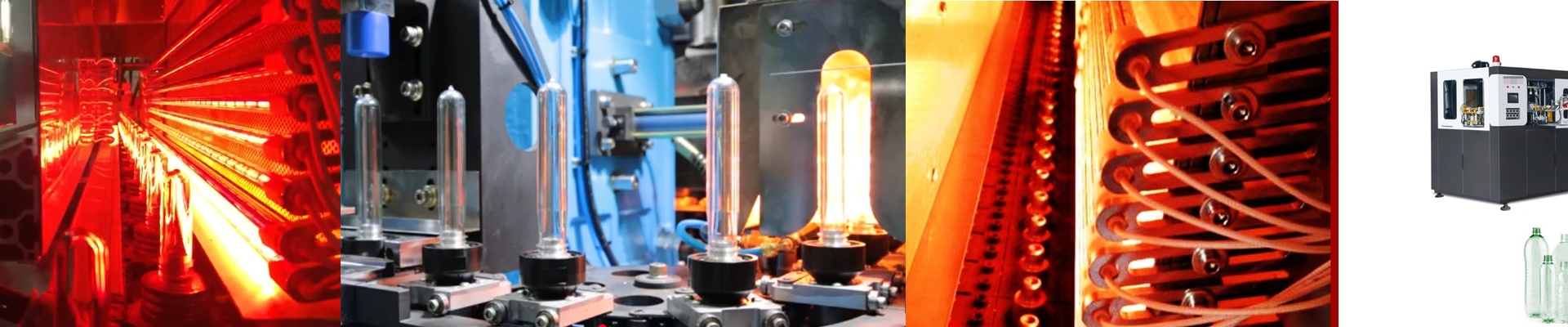
These heaters use quartz glass and tungsten filaments to get hot fast. Like, seconds-fast. Because they use electromagnetic waves, they don’t waste time waiting for the air to circulate. The second you flip the switch—or trigger the app—you feel it. It cuts right through that bathroom chill immediately.
Getting it to play nice with your phone
To get that “one-tap” magic, we use a smart relay or a Zigbee/Wi-Fi controller. Think of it as a bridge. The smart controller handles the “brain” part (the low-voltage signal), which then tells the heavy-duty heater to kick on. I love setting up a “Morning Scene.” You can tell your house to wake up at 7:00 AM, turn on the coffee maker, and fire up the bathroom heater. By the time you’ve brushed your teeth, the room feels cozy.
A few things to watch out for
Now, here’s the catch. These heaters pull a lot of power. If you try to use a cheap, generic smart switch, you’re asking for trouble. The sudden surge of electricity can actually weld the switch shut or fry the circuit board. It’s just not worth the risk. We always use a dedicated power relay to keep the smart gear safe from the heavy electrical load. And then there’s the space issue. Smart controllers need a place to live, but mirror housings are usually pretty tight. If you cram the electronics in there without any room to breathe, the heat will build up and kill the components. **Venting isn’t just a suggestion—it’s a must.**If the air can’t move, the tech won’t last.