
Stop Your Infrared Heaters From Shorting Out
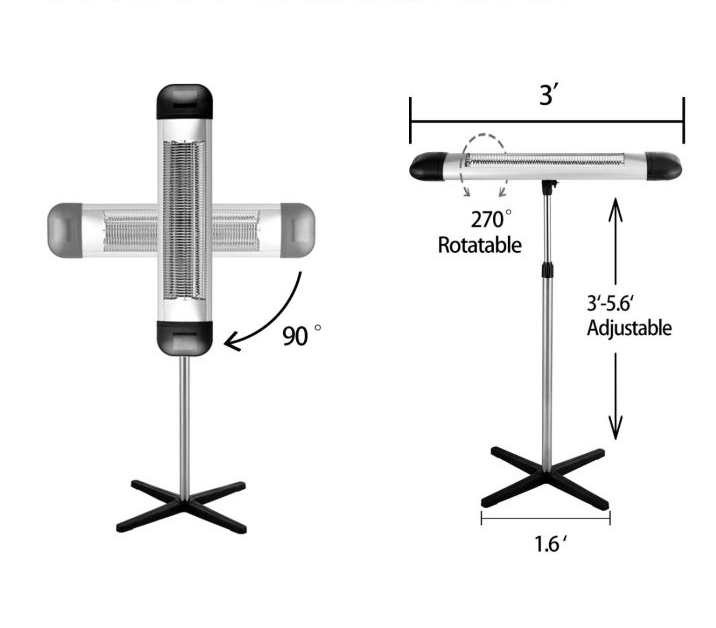
If you’re putting infrared heaters in a massive warehouse or a hangar, you know they take a beating. The heat is intense. And usually, the first thing to give out isn’t the heater itself—it’s the lead-wires. Most of the generic stuff on the market uses basic silicone sleeves or standard heat-shrink. It looks fine for a week. Then it dries out. It cracks. And before you know it, you’ve got a short circuit on your hands.
Where things usually go wrong
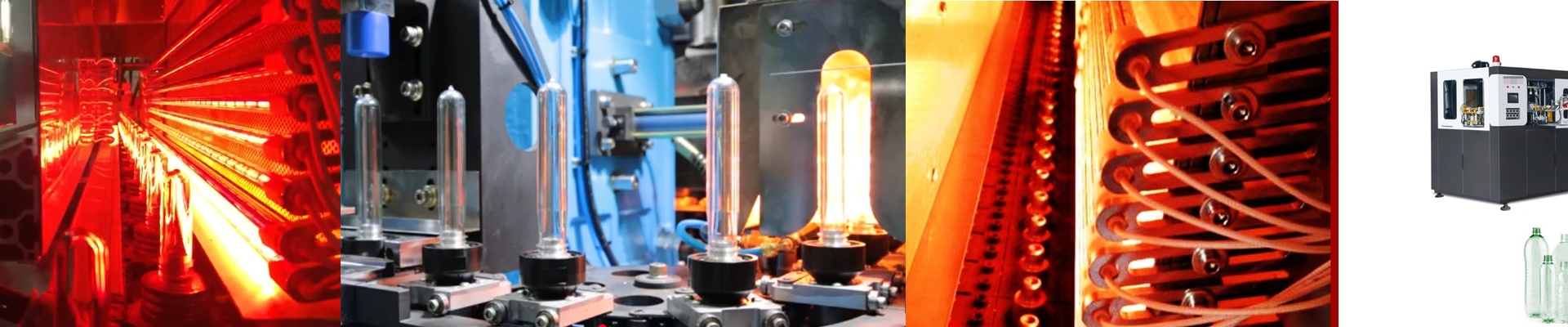
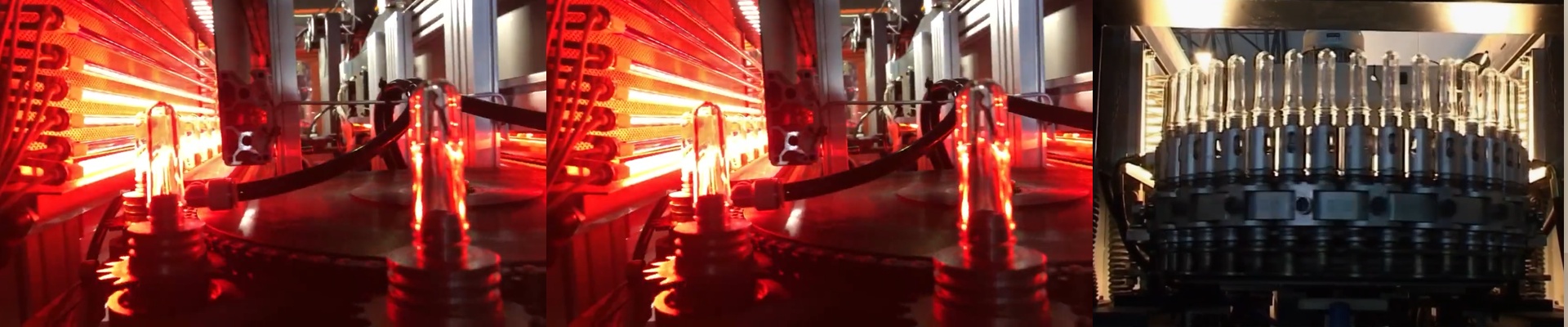
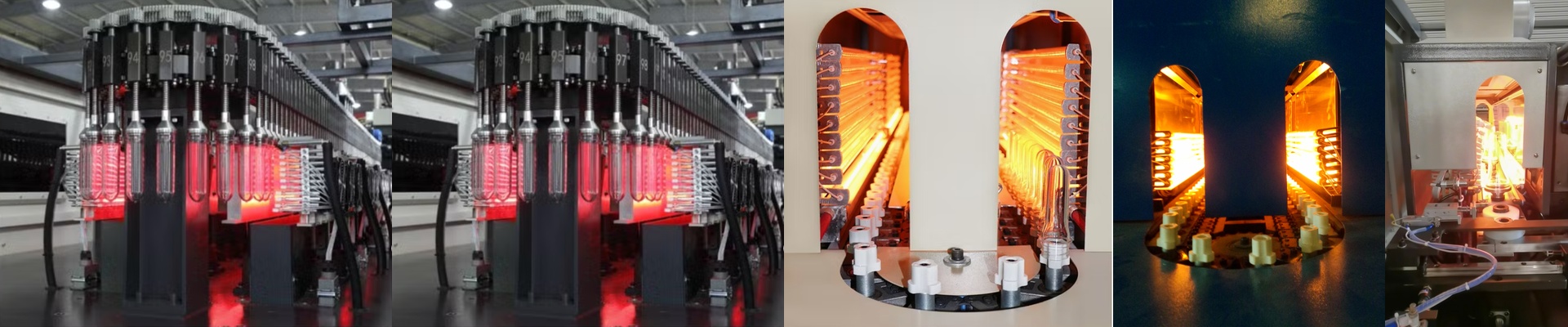
Think about the spot where the wire meets the heating element. That area just soaks up heat. In the cheap units, the insulation basically cooks until it burns away. Once that happens, the wires touch. Boom. Short circuit. We handle this differently. Instead of just wrapping it in plastic, we use a multi-stage potting process. We’re talking high-temp ceramics and specialized epoxies. These materials can sit in 300°C heat all day and they won’t get brittle or flake away.
The difference is in the build
Most assembly lines just solder the joint and wrap it up. Simple, right? But it leaves tiny air pockets. When the heater cycles on and off, that air expands and contracts, which eventually cracks the seal. We use a vacuum-sealed compression method. It sucks all that air out. The result? The lead-wire is mechanically locked in place and totally isolated. It stops that oxidation from creeping up the wire and eating it from the inside out.
A quick heads-up on installation
Because we use these heavy-duty seals, your heaters can handle dust and humidity without turning into a fire hazard. You’ll spend way less time on maintenance calls and more time actually using the space. But here’s the thing: these seals make the wires stiffer. **Don’t force them into sharp bends.**If you kink the wire at a tight angle during install, you might stress the internal seal. Just give your wiring conduits a gradual, smooth curve, and you’re golden.