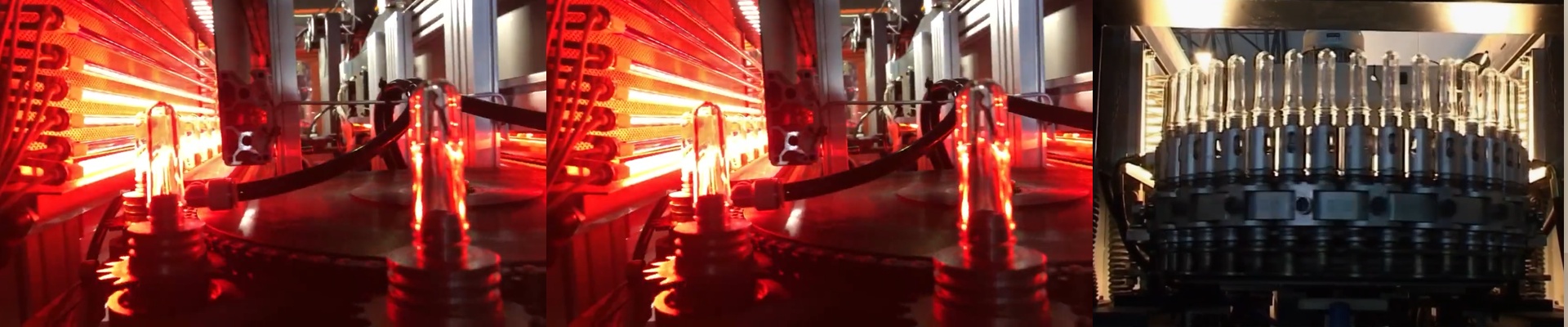
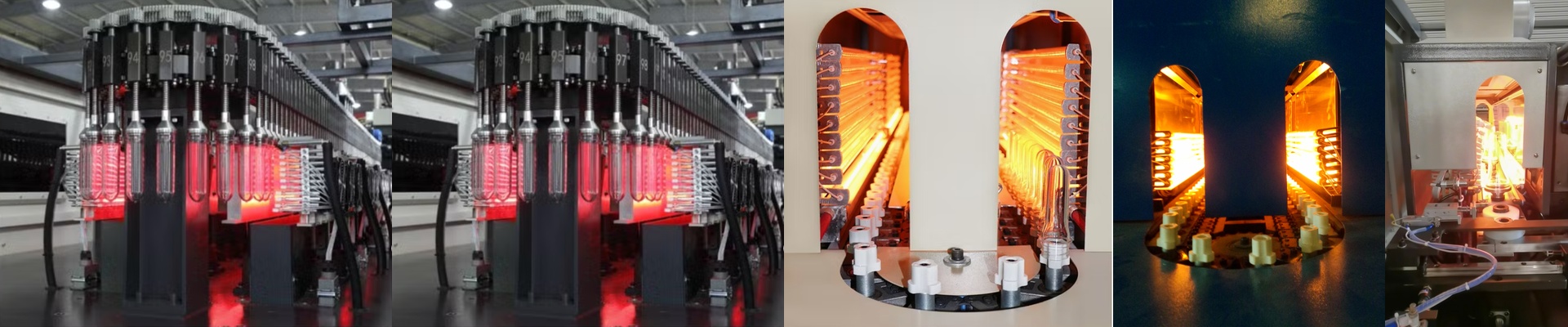
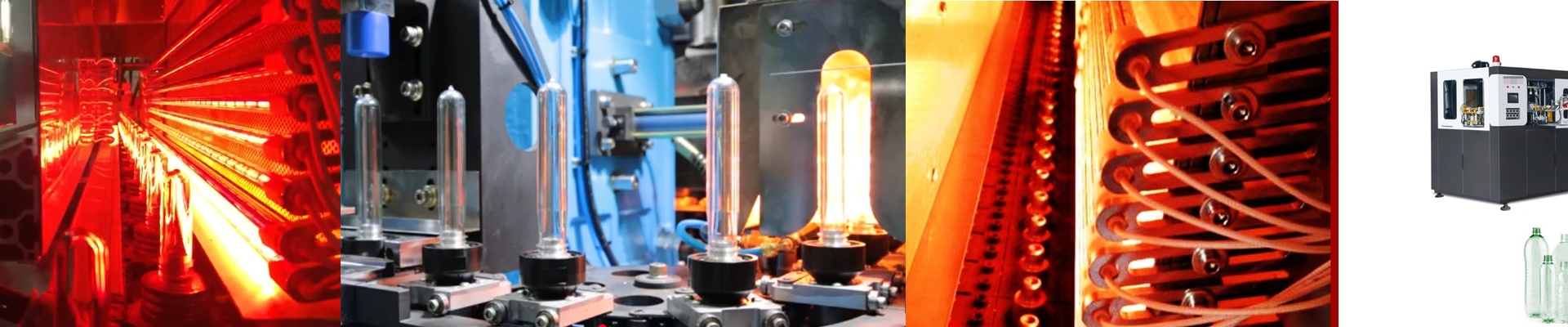
Dealing with Temperature Swings in Nichrome Rotary Ovens
If you’ve ever spent a shift on a shop floor, you know the struggle. The doors open, a cold draft hits, or the warehouse temperature drops 10 degrees, and suddenly your product temperature starts sliding right along with it. It’s frustrating. To stop that drift, we lean on Nichrome infrared lamps paired with active PID compensation. Here is how it actually works in the real world.
Keeping the Heat Steady
A basic timer just isn’t going to cut it here. You need a system that actually “feels” what’s happening. We use high-speed thermocouples or IR pyrometers to feed live data back to the controller. Think of it like a thermostat on steroids. The second the sensor picks up a dip—maybe from a cold batch of raw materials or a drafty room—the system kicks the voltage up to the Nichrome elements. It happens instantly. The result? Your heat flux stays rock solid, no matter what’s going on outside the oven walls.
Why Nichrome?
We go with Nichrome for these lamps because they’re tough. In a rotary system, things are constantly cycling, and other materials would just snap under the pressure. Nichrome handles it. It gives you a steady, broad-spectrum heat that really gets deep into the product as it spins. You get a uniform soak every single time. One thing to keep in mind: they aren’t instant. Unlike halogen, Nichrome takes a few seconds to get up to speed. You’ll need to tweak your PID tuning to account for that little bit of lag, otherwise, you might overshoot your target temperature.
Setting It Up Right
If you want this to work, wire your lamps into an SCR power controller. This lets you dial in the power precisely instead of just flipping it on and off like a light switch. And a quick tip on the hardware: if you’re running high-wattage tubes, don’t cheap out on the wiring gauge. Those compensation spikes can pull a lot of current. Poor connections will fry your terminals, and that’s a headache nobody wants. Lastly, get your sensors as close to the rotating load as possible. If they’re too far away, the system reacts too late, and you’ll end up with temperature ripples in your batch. Keep them close, and everything stays smooth.