Making Your Bathroom Warm (Without the Wait)
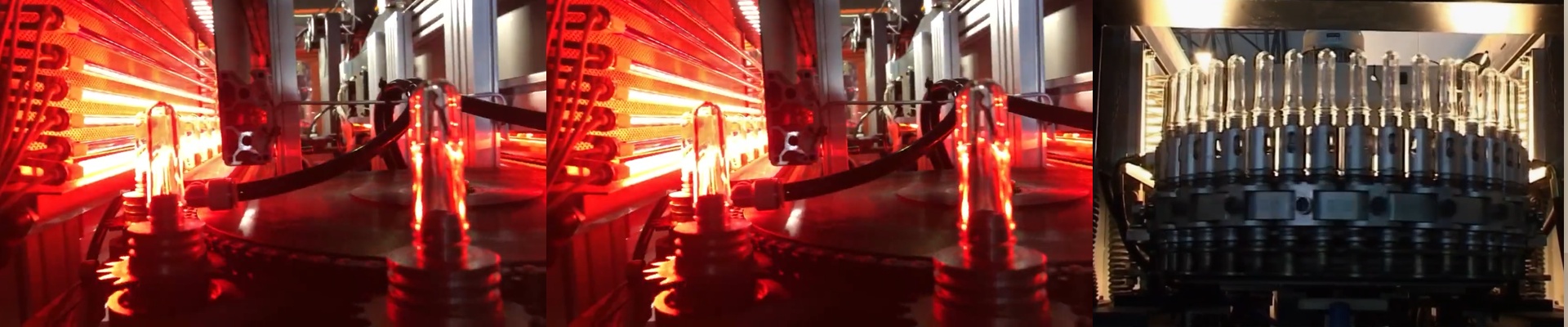
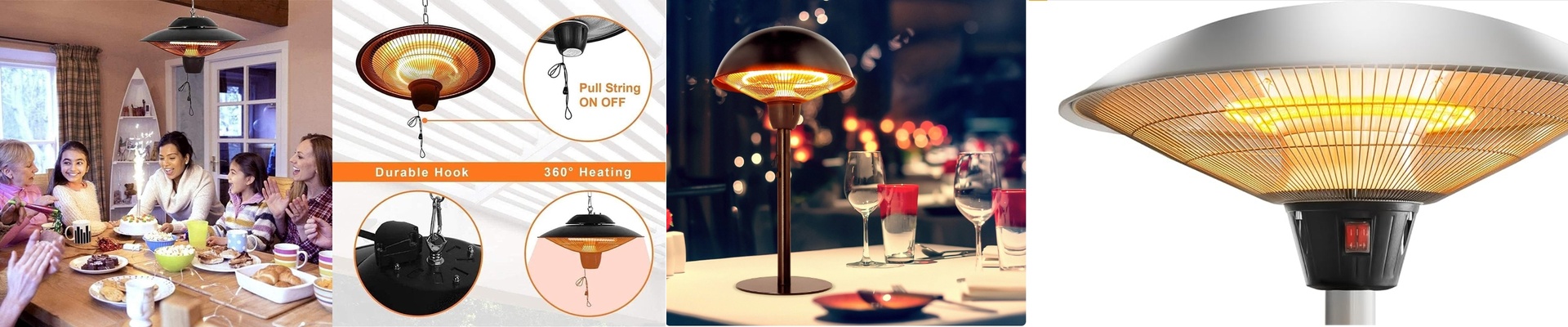
Nobody likes stepping out of a hot shower into a freezing bathroom. It’s a shock to the system. To fix this, we use short-wave infrared (IR) lamps. Unlike those old-school heaters that spend forever trying to warm up the air in the room, IR goes straight for the target. It heats you and the surfaces around you directly. It’s fast. Really fast.
Getting That “Instant” Feel
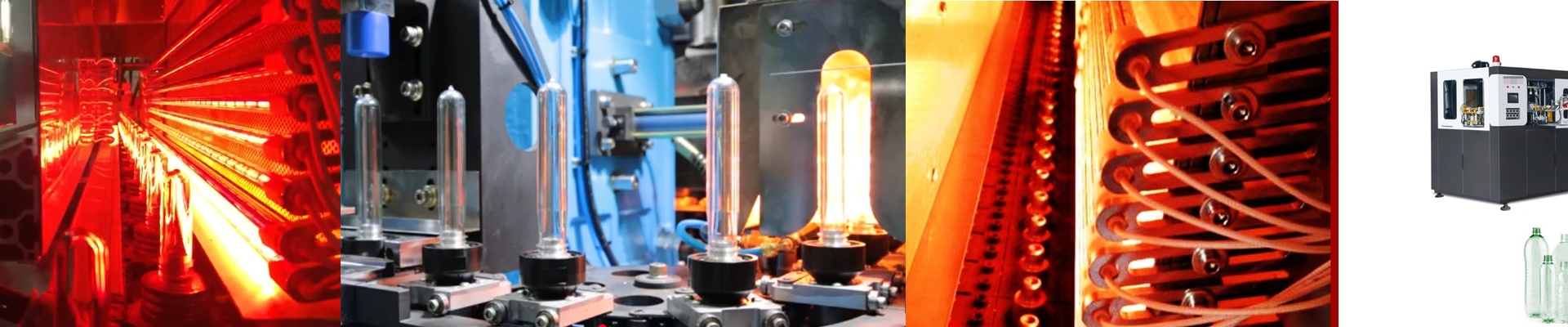
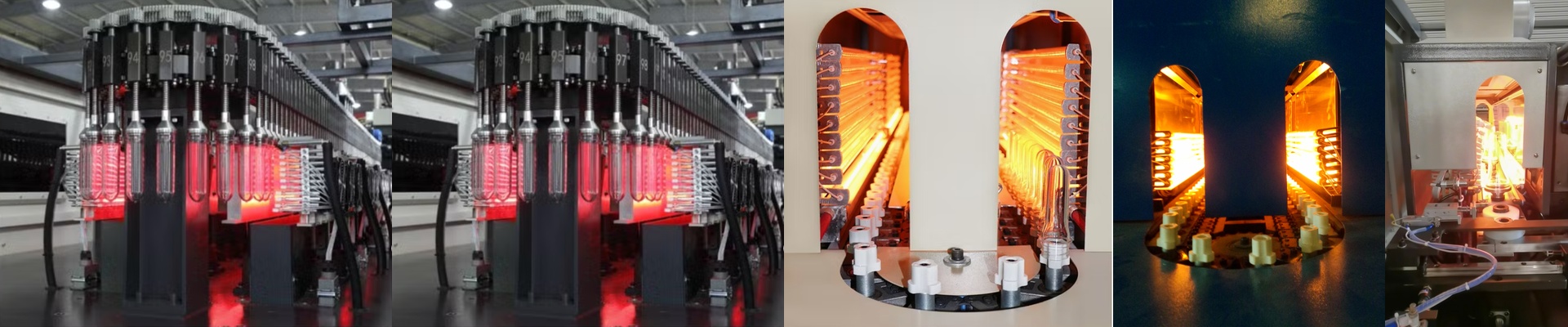
If you want your bathroom to feel like spring in the middle of January, you need halogen-filled quartz tubes. These things hit their peak temperature almost the second you flip the switch. But flipping a switch is old school. By hooking the heater up to a Zigbee or Wi-Fi gateway, you can set up a “pre-heat” routine. Imagine this: your motion sensor picks up that you’re heading toward the bathroom, and the heat is already waiting for you. Or you just tap an app while you’re still in bed. No more shivering while you wait for a coil to glow.
The Nitty-Gritty Hardware Stuff
Here’s the thing about the setup: you can’t just use any cheap smart plug. IR lamps pull a lot of power the moment they kick on. If your relay isn’t beefy enough to handle that initial surge, you’re looking at blown fuses or, worse, welded contacts. We also make sure to use high-temperature wiring. You don’t want your smart controller sitting right next to the heat zone, or the electronics will start acting weird and eventually just give up.
A Few Things to Watch Out For
There are some trade-offs. That instant heat causes a massive power spike. If you try to fire up four 800W lamps all at once on one circuit, your breaker might not be happy. A good trick is to stagger the start times by a few milliseconds. It’s a small tweak, but it saves your electrical panel. And remember: IR is all about line-of-sight. If there’s a wall or a curtain between you and the lamp, you won’t feel a thing. Placement is everything. If you get the positioning right, the whole smart setup feels like magic. If you get it wrong, it’s just an expensive lightbulb.