
Why We Build Our Infrared Heaters in Modules
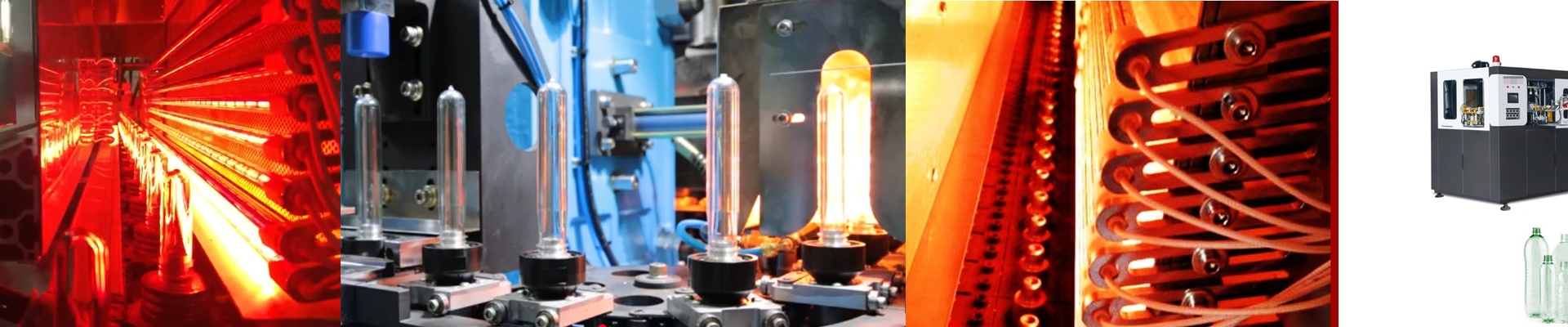
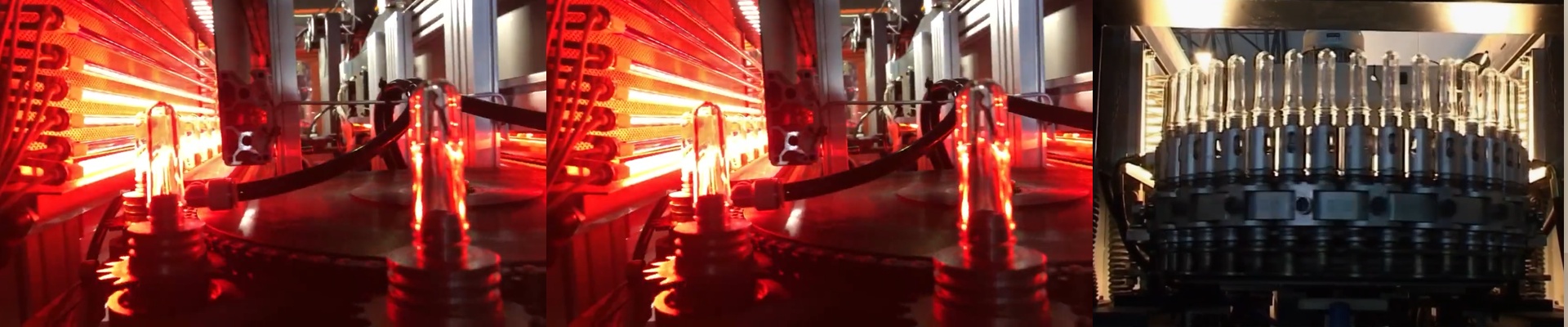
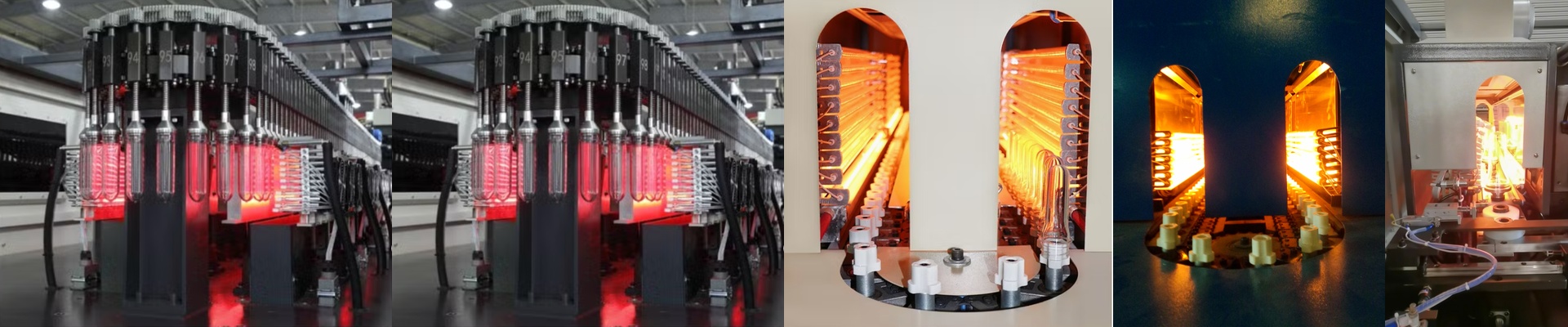
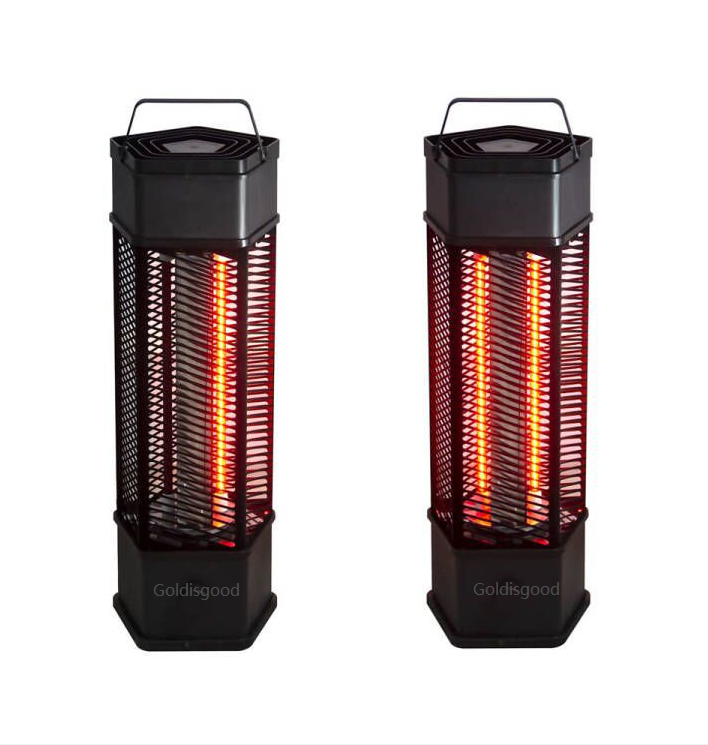
Here is the truth about installing an infrared heating system: you aren’t just paying for heat. You’re paying for the maintenance schedule that comes with it. If you’re running these things hard, heating elements are eventually going to burn out. That’s just physics. But if your heater is welded shut or hard-wired into a chassis, a single blown lamp becomes a nightmare. Suddenly, you’re looking at a full-day teardown just to fix one small part. It’s a massive headache. The logic is simple: stop the downtime. We design our modules so the heating element is basically a drop-in part. No monolithic housings. No permanent seals. If a tube dies five years from now, you don’t have to rip the whole unit out of the ceiling. You just slide the dead one out and plug in a fresh one. Simple. Making the swap actually fast The real magic is in the little things—the connectors and the brackets. We ditched those screw-down lugs that always seem to strip the moment you touch them. Instead, we use standardized quick-connect terminals. A technician can swap a tube in a few minutes. No rewiring the control panel. No swearing at a manual. We also use spring-loaded clips for the quartz and halogen tubes. They keep everything tight so vibration doesn’t shake the system apart, but they let the tube pull straight out when you need it. You won’t be fighting rusted bolts or trying to reach a screw at some impossible angle. The trade-off Now, look—nothing is perfect. Modular designs mean more connection points. And more joints mean you have to keep an eye on oxidation, especially if your shop is humid. To handle that, we use gold-plated or nickel-coated contacts to keep the electricity flowing smooth. You get a system that’s a breeze to service, but it does mean your team needs to double-check the connection tightness during your annual check-ups. Personally? I’d take a quick annual tighten over a total system replacement every few years any day of the week.