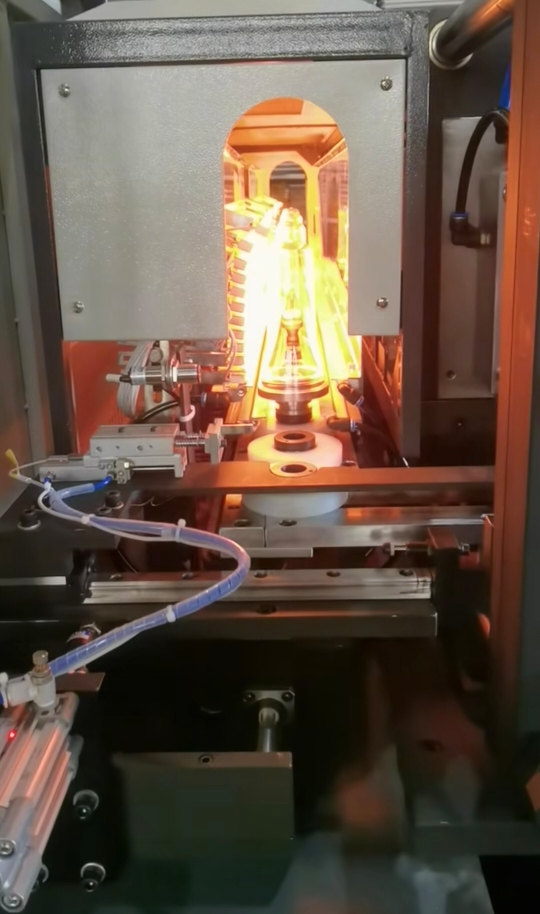
Getting Heat Where it Actually Matters in Husky HyPET Systems
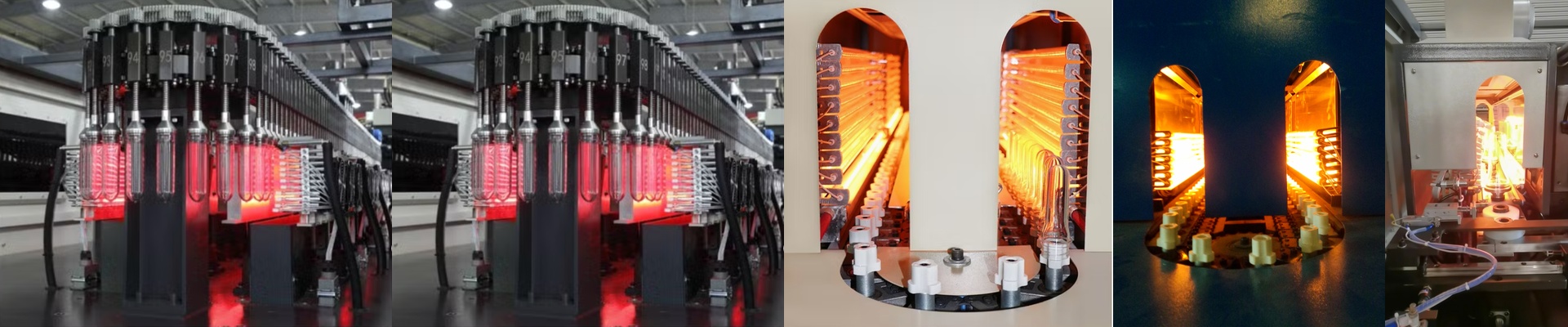
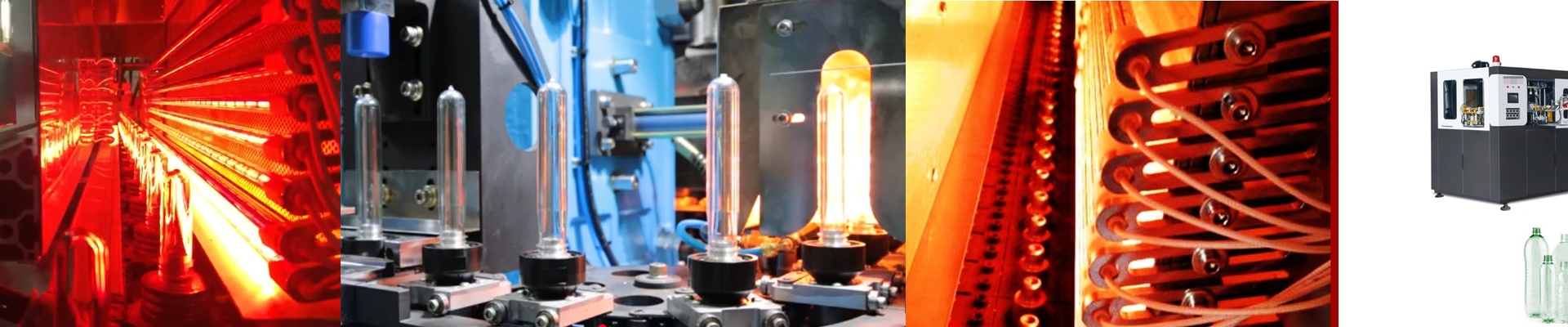
If you’ve spent any time with high-speed PET blowing, you know the struggle. It’s not about how much heat you can throw at a preform—it’s about where that heat actually goes. The real headache is trying to get the center of those thick sections warm without accidentally scorching the outside. That’s exactly why we build our lamps the way we do.
The trick to deep penetration
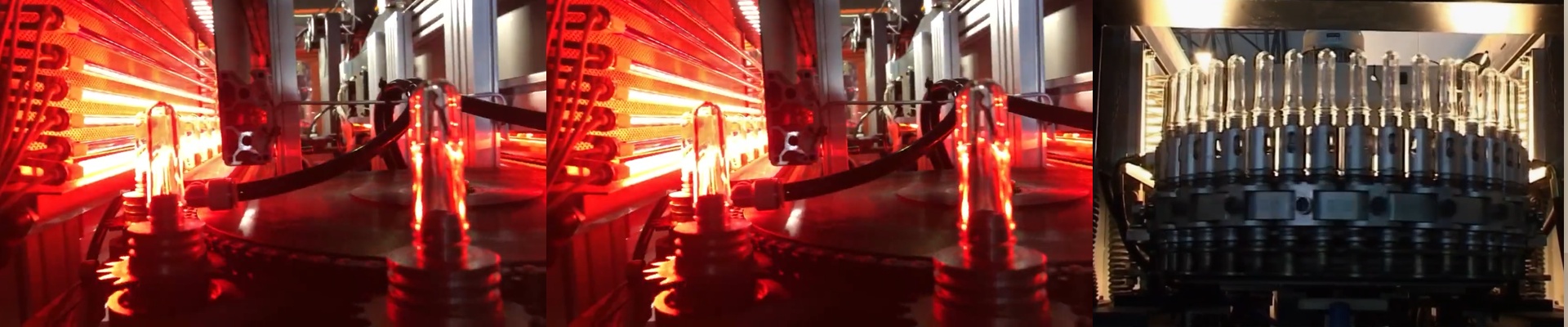
Most standard lamps just blast the outer skin of the PET. It looks hot, but the inside is still lagging. We handle this by tweaking the quartz and the halogen cycles to shift the emission spectrum. Basically, we tune the wavelength so the infrared energy actually punches through to the inner wall. When you get this right, those annoying “cold spots” in the base and neck disappear. No more uneven walls. No more of that cloudy pearlescence ruining your bottles.
The nuts and bolts
These are drop-in replacements. Simple. Whether you’re dealing with high-voltage arrays or weird wattage needs, we build the filament to take the hit. We stick with R7s and SK15 connectors because they actually stay put. There’s nothing worse than a loose connection causing an arc and burning out a lamp prematurely. We’re also obsessive about the fit. If a tube is off by even a single millimeter, it won’t sit right in the Husky oven rack. That leads to wonky heating zones and a mountain of scrap plastic.It has to be exact.
A few things to watch out for
Here’s the deal: high-penetration lamps run hot. Really hot. While that helps you shave time off your cycle, it puts a lot more pressure on your cooling blowers. You’ve got to make sure your airflow is dialed in. If the cooling isn’t up to the task, the lamp housing can overheat, and you’ll eat through your quartz envelopes a lot faster than you’d like. At the end of the day, we just look at the raw numbers—wattage, voltage, and spectral output. You get a tool that hits your target temperature faster, which means your whole heating cycle gets a lot leaner.