
Fixing the “Cold Core” Problem in High-Speed PET Heating
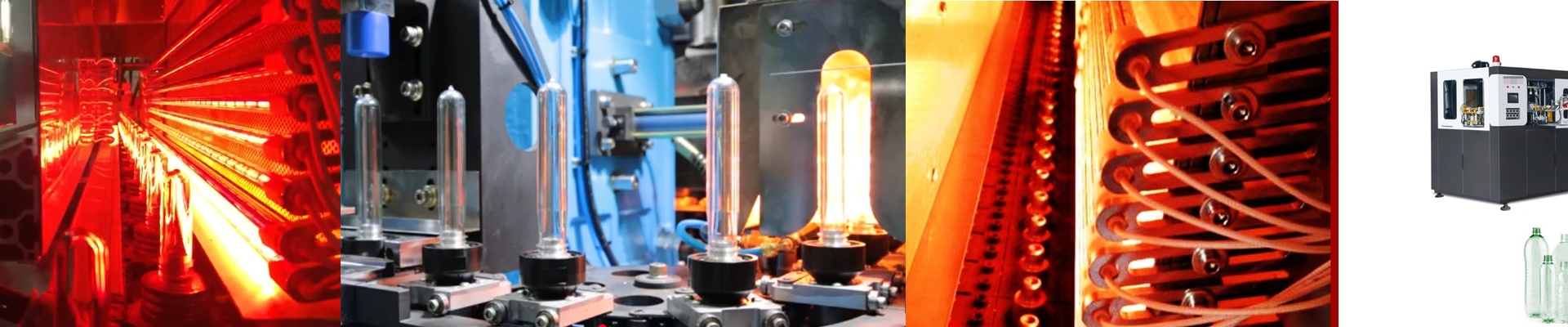
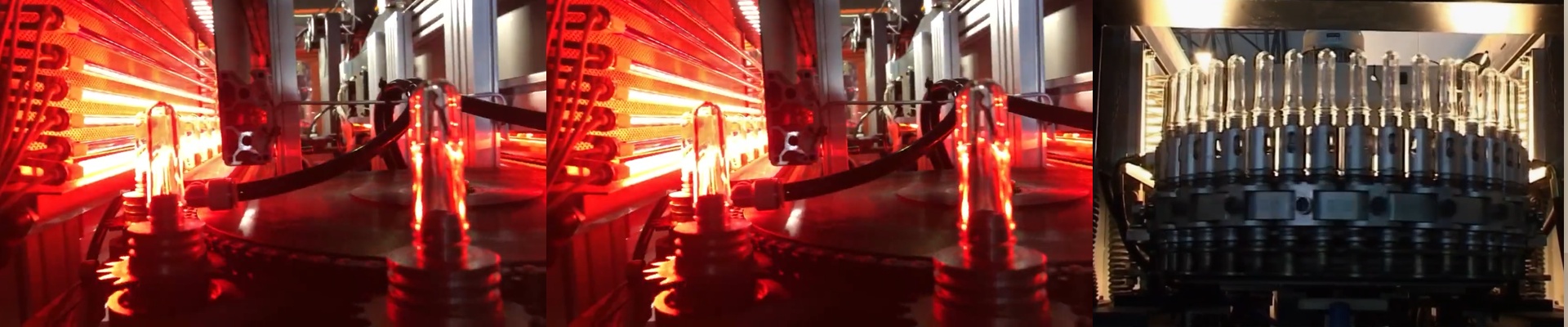
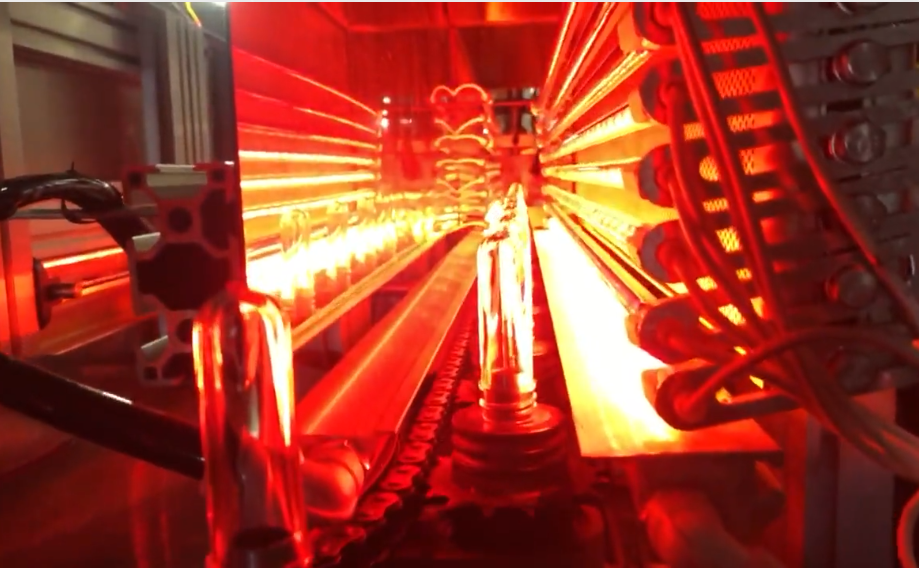
If you’re running Husky HyPET systems at high speeds, you’ve probably dealt with surface scorching. It’s a nightmare. The outside of the preform gets blasted with heat, but the core stays cold. Then you get uneven walls, burst bottles, and a lot of wasted plastic. We figured out a better way. Instead of just throwing heat at the surface, we shifted the spectral output to make sure the heat actually gets inside the material.
How we get the heat to penetrate
Most cheap lamps just dump broad-spectrum radiation on the preform. It hits the surface and stops. Simple, but ineffective. We do things differently. We engineered our tubes to hit specific shortwave peaks that PET resin actually absorbs. By tightening the tungsten coil pitch and dialing in the halogen gas pressure, we’ve increased the radiant flux density. In plain English? The heat pushes deep into the preform wall before the surface even has a chance to melt.
The build quality (No shortcuts here)
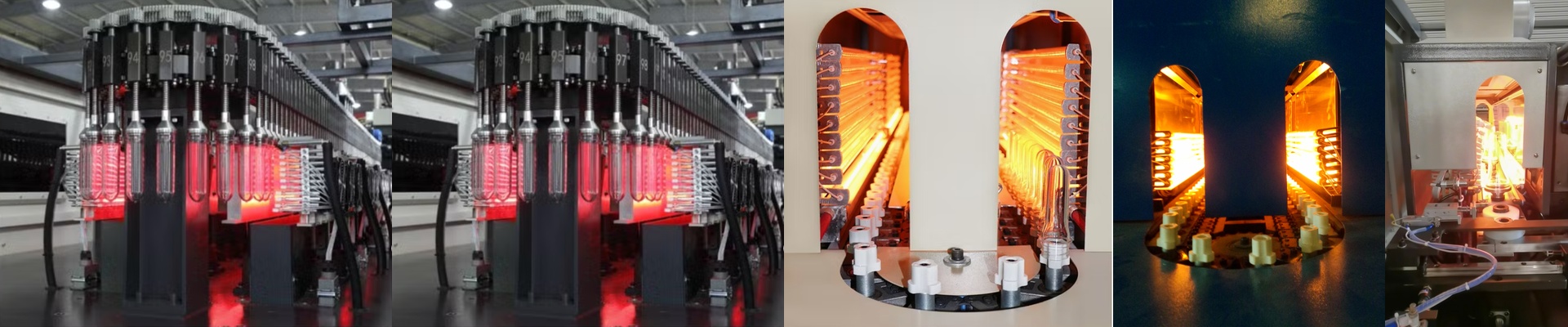
These are drop-in replacements for Husky footprints, so you don’t have to mess around with your setup. We use high-purity fused quartz, which means the tubes can run hotter without bowing or wearing out. We also spent a lot of time on the connectors. They’re precision-fit to stop arcing at the terminals. If you’ve run high-wattage setups before, you know that’s usually where things go wrong. One quick heads-up: we don’t use those generic coatings. Everything is tuned to stop waste heat. But if you’re running 400V high-output tubes, the heat density is intense.Make sure your oven’s forced-air cooling is up to the task, or you’ll burn out the lamp ends way too early.
What this actually means for your floor
When the heat penetrates properly, you can finally crank up the machine speed without worrying about your bottle quality tanking. It’s a relief. You spend way less time fiddling with oven zones and more time actually producing. Since the heat is uniform, those annoying “cold spots” in the preform base mostly disappear. It really comes down to a simple trade: spend a bit more on a quality lamp now, and you’ll get faster cycle times and far fewer rejected batches later.