
Stop Fighting with Your SIPA Rotary Heaters
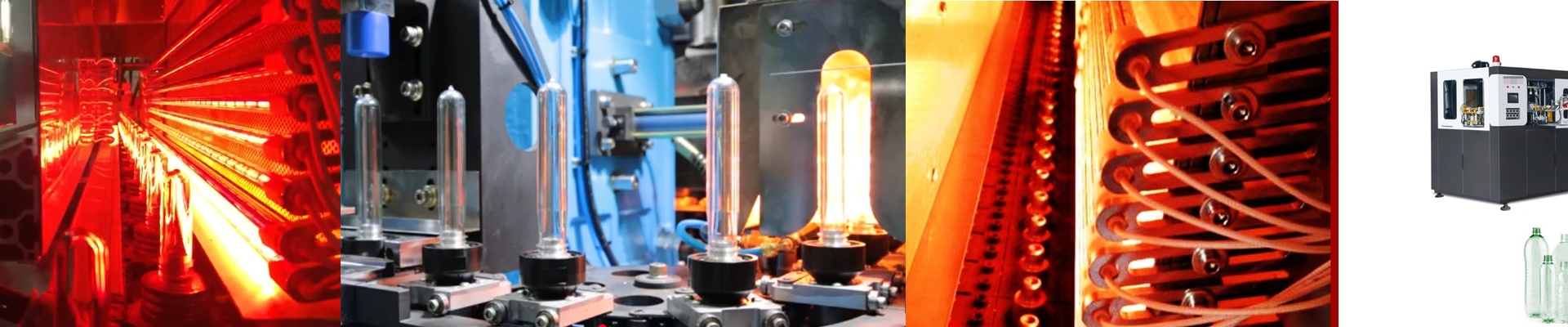
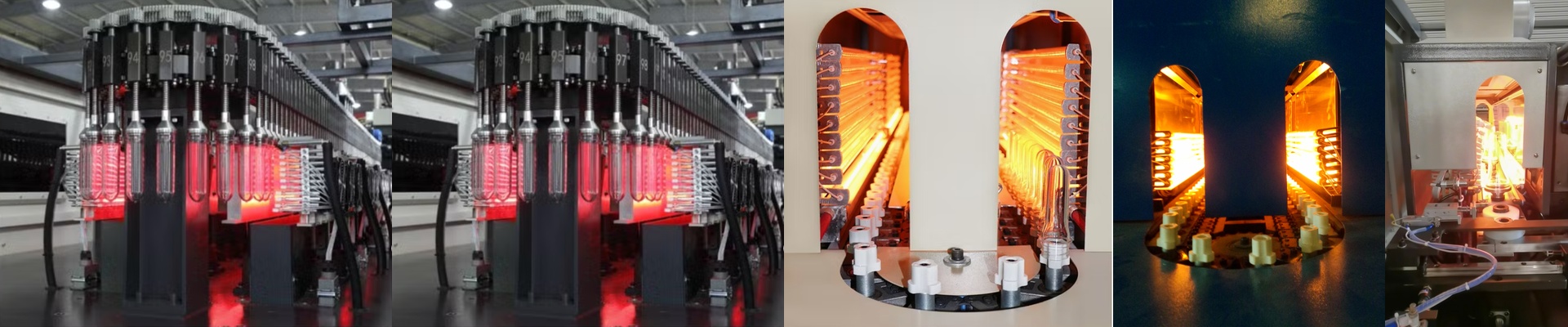
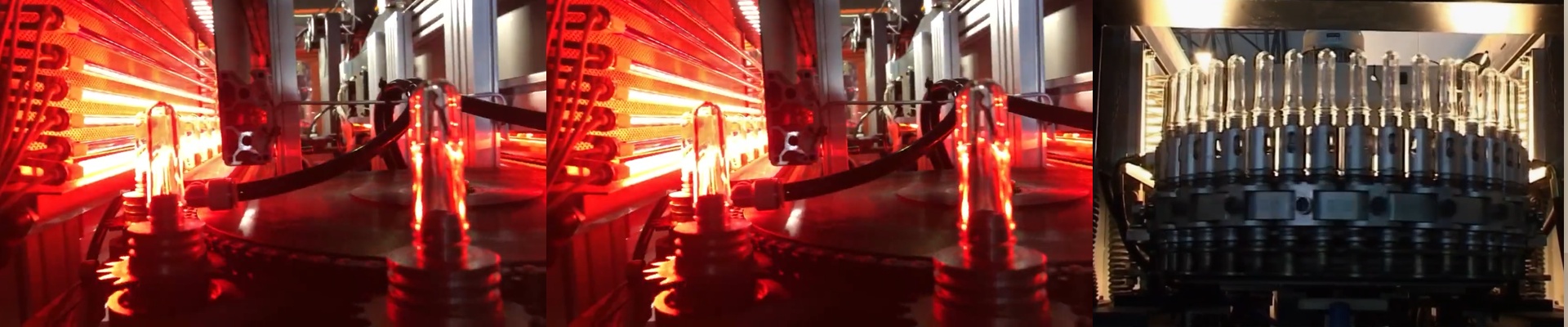
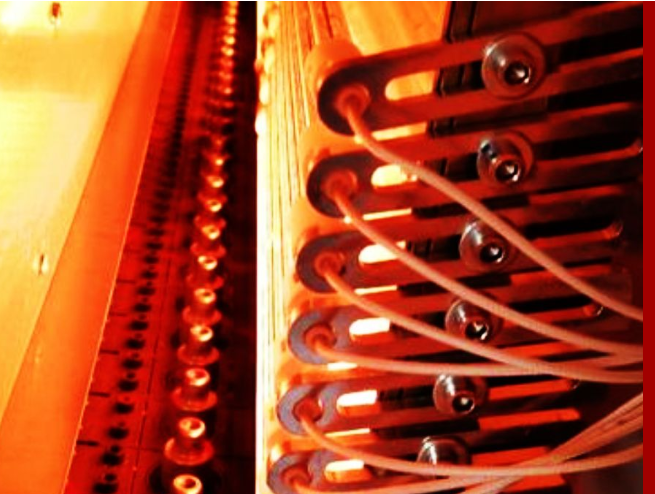
If you’ve ever run a SIPA rotary machine, you know the headache of getting the preform temperature just right. One minute everything looks great, and the next, you’re staring at a pile of rejected bottles because the walls are uneven. Usually, the culprit is something simple: your lamps aren’t talking to each other. When you mix and match bulbs with different wattages or voltages, you end up with “cold spots.” Some parts of the preform get blasted with heat while others barely get warm. It’s a nightmare to tune. We fix this by giving you lamps that are a perfect power match—drop-in replacements that actually behave. The secret is in the consistency. Here’s the thing: power drift is a silent killer. If a tube is rated for 230V but your circuit is pushing 240V, that wattage spikes. It doesn’t sound like much, but it’s enough to throw your whole profile off. We calibrate our lamps to hit the OEM specs exactly. No guessing. No “close enough.” Every preform gets the same amount of heat, no matter where it sits in the rotation. Built for the grind We use heavy-wall quartz glass because these machines are brutal. Between the rapid heating and cooling cycles and the constant vibration of a high-speed rotary, cheap glass just snaps. We stick with R7s or SK15 connectors because they lock in tight. You don’t want a lamp wiggling loose while the machine is screaming along at full speed. Plus, we offer coated options. These are great because they push the heat into the plastic where it belongs, rather than heating up your machine frame and wasting electricity. A few tips to keep them running These lamps pack a punch. You’ll notice you can hit your target temperatures faster, which means less time spent waiting around during warm-up. But a word of caution: more heat in a small space means your cooling fans have to work harder. If your air filters are clogged with dust, these lamps will overheat and burn out way too soon. Keep those filters clean. And for heaven’s sake, make sure your power source is stabilized. Voltage spikes are the fastest way to snap a filament and put you back in the middle of a downtime crisis.