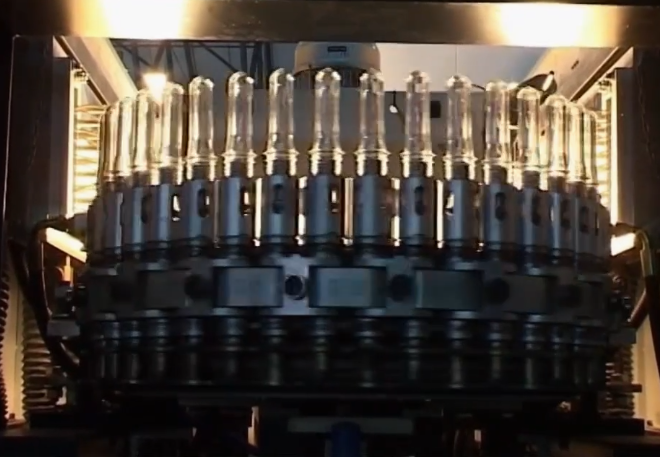
Getting Your SACMI Rotary Blow Molders Up to Temp, Fast
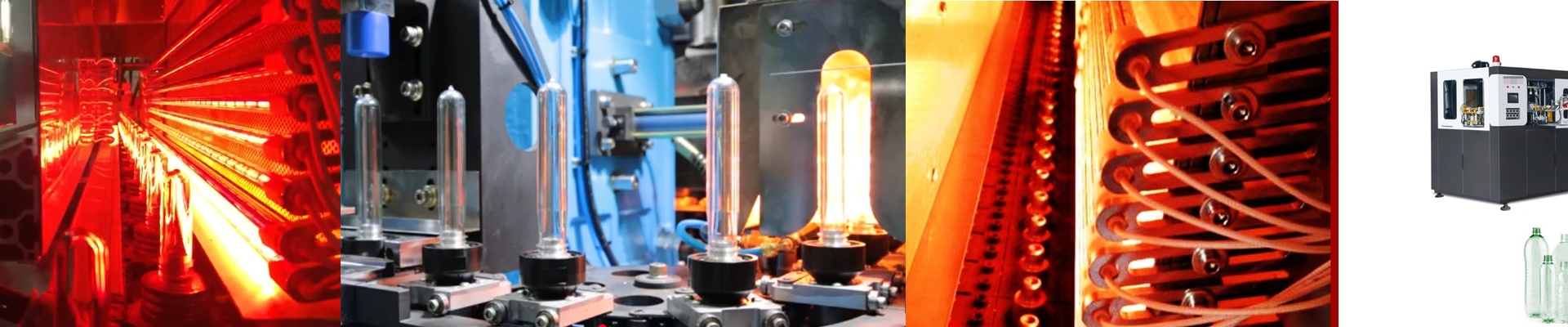
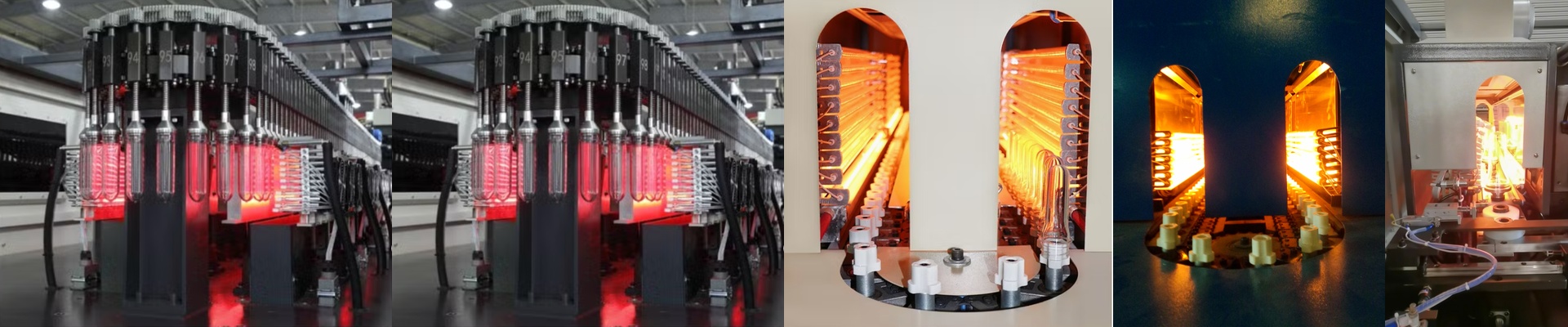
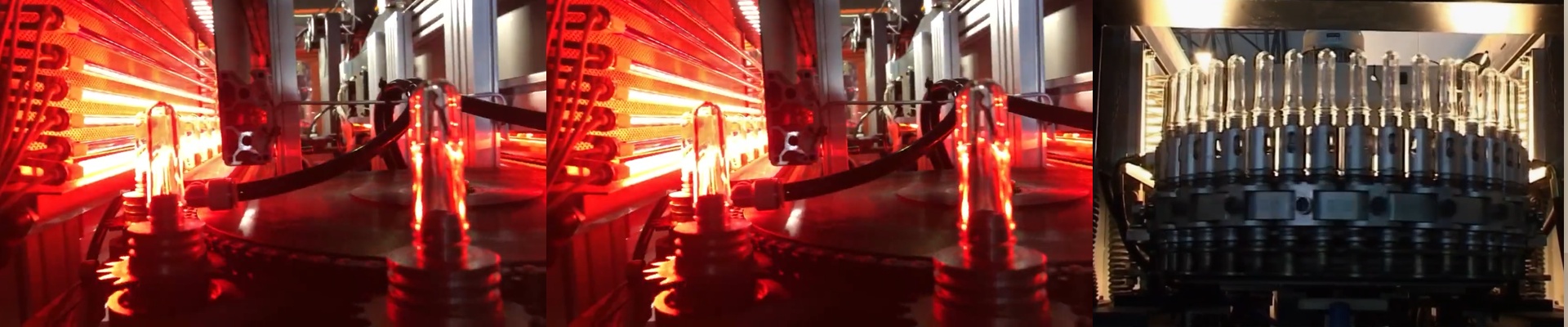
When you’re running high-speed PET production, you don’t have time to wait around. The window to heat that preform is tiny. If your lamps are sluggish during start-up or can’t hit the right temperature in those first few rotations, you’re just making scrap. It’s frustrating, and it kills your margins. That’s why we built our SBO6 compatible lamps the way we did. The secret is in the physics. We stripped back the filament mass and tweaked the gas fill. Why? Because a lighter filament doesn’t have as much “inertia”—it gets hot, fast. We also added a precision halogen cycle to keep the tungsten stable. This stops the filament from thinning out when you’re pushing high wattage, meaning you get full IR output almost the second you flip the switch. No guesswork, just a drop-in fit. These aren’t “close enough” replacements. They’re built for the SBO6 footprint. We use high-purity quartz glass so the radiation actually hits the PET wall instead of getting trapped in the glass. And we didn’t overlook the small stuff. The connectors are tightened to factory specs to stop arcing at the terminals. If you’ve run rotary machines for a while, you know how much vibration there is. That shaking is usually what kills lamps prematurely; we’ve aimed to fix that. A quick word of caution. Here’s the thing: when you push for that kind of heat density, you put more stress on the electrodes. You’ll get the speed you need, but you’ve got to keep your oven’s cooling blowers clean. If the air around the lamp housing gets too hot, the lamp will burn out faster, no matter how well it’s made. It’s a simple trade-off. We’ve matched these tubes to the exact voltage and wattage of the original SBO6 requirements. You get the heat flux you need for a consistent blow without worrying about overloading your power supplies. Simple as that.