Getting More Out of Your Amsler Blower: The Secret is in the Heat
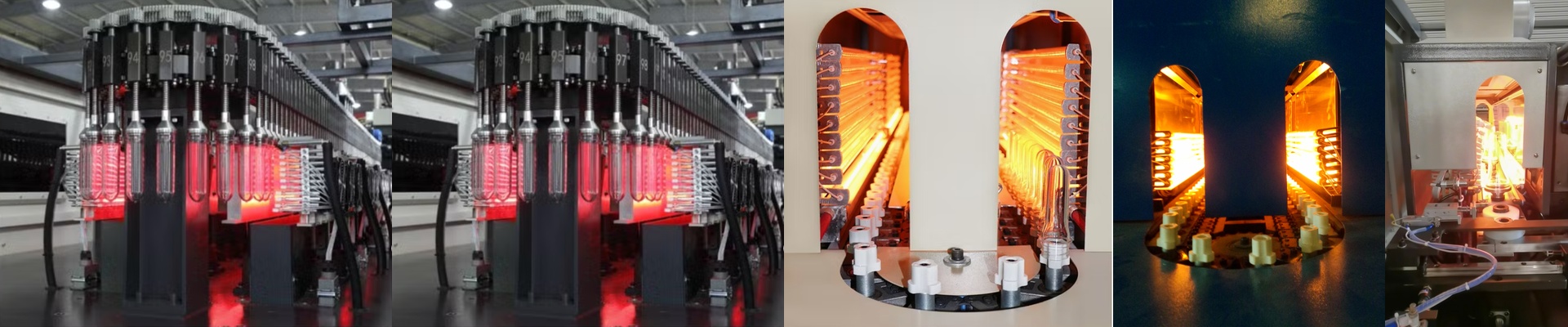
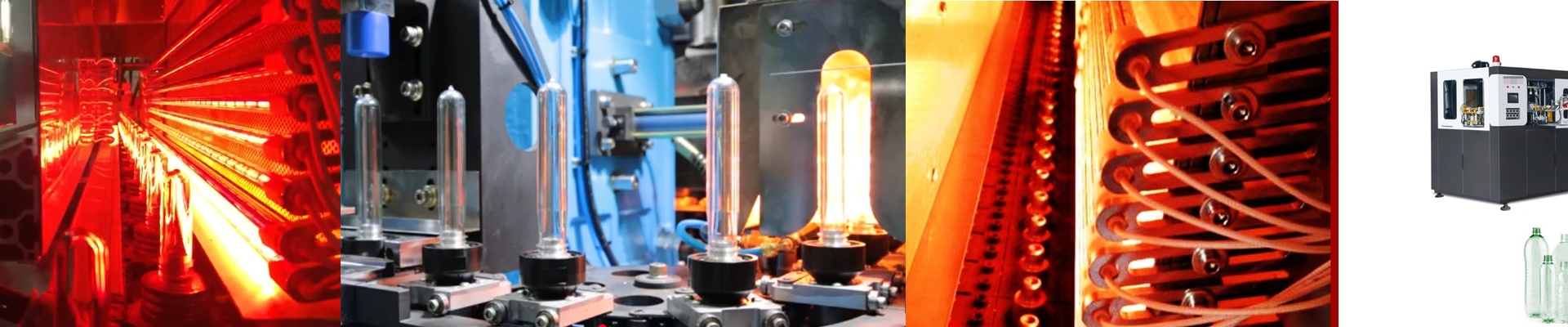
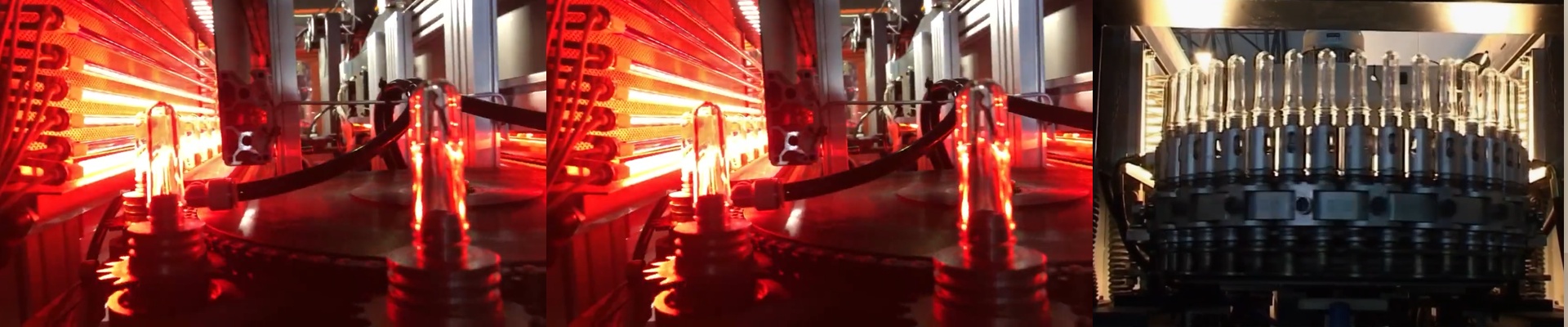
If you’re running a mid-tier PET blower, you know the frustration of hitting a ceiling. You want more bottles per minute, but your preforms just aren’t heating evenly. It’s annoying. Most people think they need a whole new machine to fix this. But honestly? You probably don’t. Usually, the problem is just that your infrared lamps have worn out or someone swapped them for generic parts that don’t actually fit the machine’s thermal needs. Let’s talk about heat density. When you swap standard lamps for high-output short-wave IR elements, you change how the heat actually hits the PET resin. It comes down to the wattage-to-length ratio. Think of it like this: more power packed into a shorter quartz tube means a harder hit of heat. Your preforms hit that “glass transition” temperature way faster. This gives you a choice: you can either crank up your cycle speed or drop the oven temperature to save on your electric bill. The nitty-gritty on the hardware We use heavy-wall quartz glass. Why? Because cheap tubes bow and warp when they get hot, and that ruins everything. As for the fit, we stick to R7s or SK15 connectors for Amsler machines. They just slide right in. More importantly, they create a tight electrical connection. Cheap lamps often have loose terminals that arc and spark, which is exactly why they burn out so fast. The “Catch” Now, you can’t just throw maximum wattage in there and call it a day. There’s a trade-off. If you go way higher than the original specs, your power supply and cooling fans have to work much harder. I’ve seen guys upgrade their lamps but forget to check their ventilation, and they ended up overheating the entire oven housing. Double-check your airflow. Make sure it’s dialed in before you push the power. What this actually does for your floor When your lamps are precision-matched, those annoying “cold spots” in the preform disappear. That means fewer deformed bottles. Less scrap hitting the floor. It’s a cheap, simple way to squeeze more BPM out of an old machine without having to rip out the whole chassis and start over.