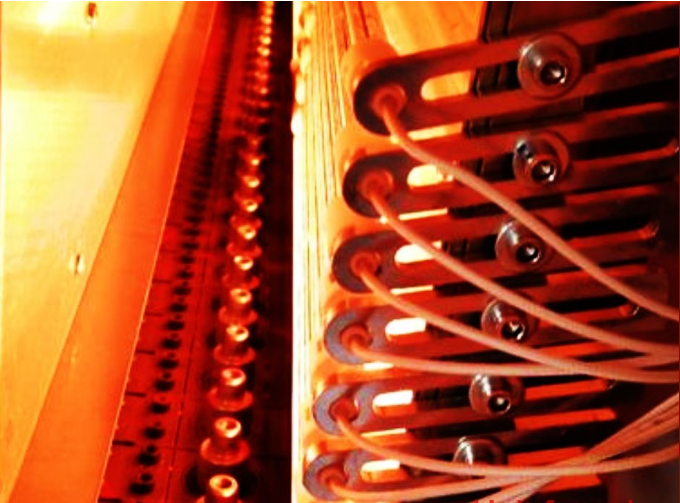
Fixing Those Annoying Heat Spikes in Your SIPA Rotary Machines
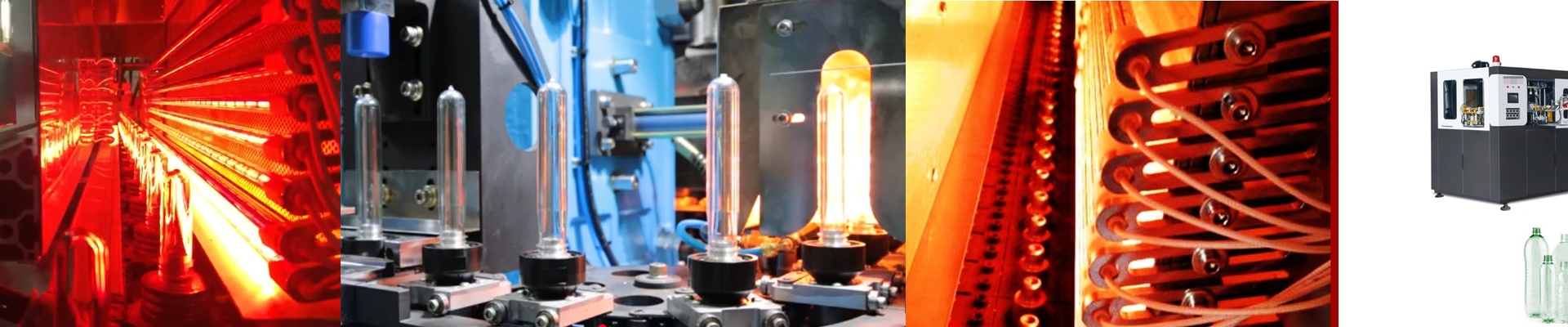
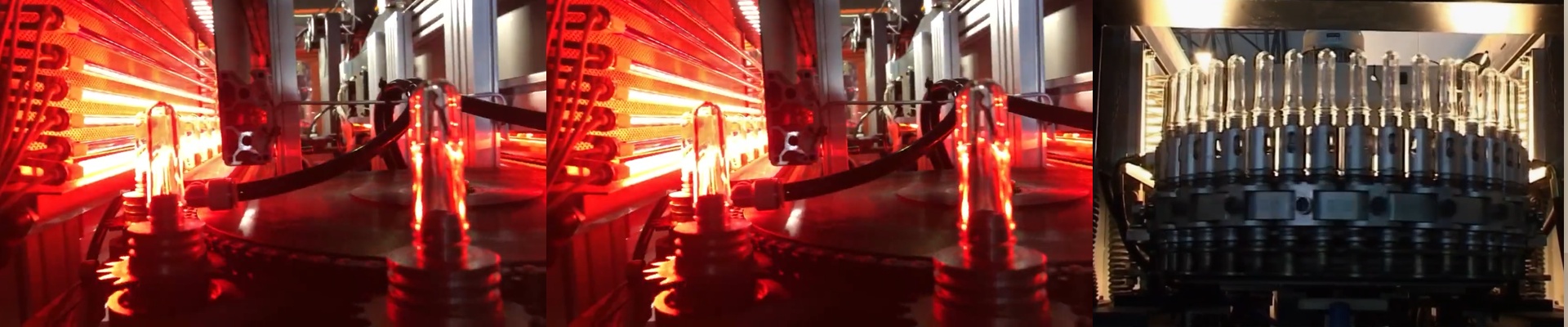
If you’ve ever spent your shift chasing the temperature dial on a SIPA rotary machine, you know how frustrating it is. You think you’ve got it dialed in, but then you start seeing wall thickness issues or, worse, bottles failing left and right. Usually, the culprit is a power mismatch. It happens when you mix lamps with different wattages or voltage tolerances. You end up with uneven heating, and that’s where the trouble starts. We fix this by providing quartz infrared elements that are matched for 100% power consistency. No guessing. No “close enough.” Just steady heat across the entire oven bank.
Why “Close Enough” Doesn’t Work
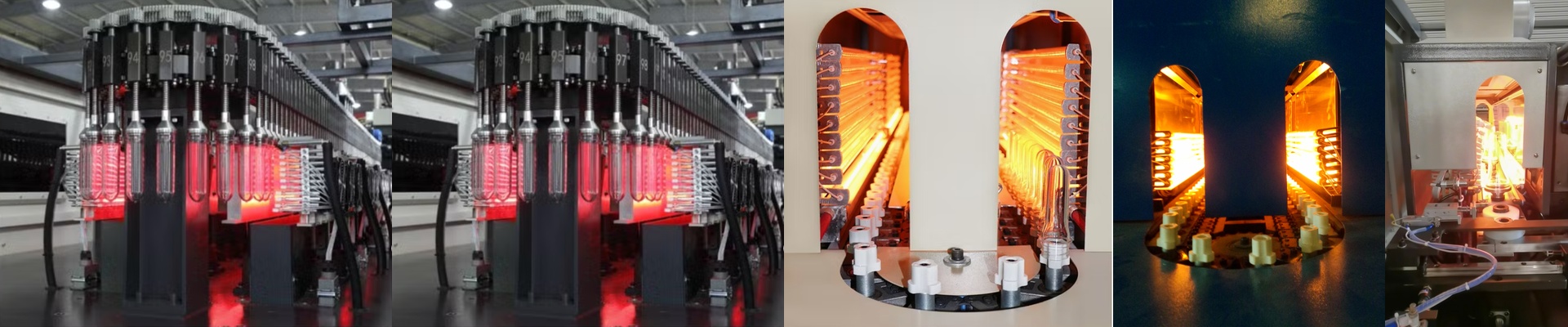
Here’s the thing about rotary systems: every single lamp needs to hit the exact same heat density. Imagine a lamp rated for 230V, but your line is pulling 240V. That lamp is going to run too hot and burn out way before it should. We build our elements with tight tolerances so they match the exact wattage and voltage your SIPA machine actually needs. When the infrared energy is uniform, those annoying “hot spots” that warp your PET just disappear.
The Gear Under the Hood
We use high-purity quartz glass because it can handle the shock of rapid heating and cooling without cracking. Plus, we made these to be simple drop-in replacements. Whether you’re running R7s or SK15 connectors, we wire them to fit your existing sockets. No modifications, no hacking things together. The shortwave infrared technology just punches through the PET preform quickly and efficiently. One heads-up, though: quartz is fragile. It can handle extreme heat, but it hates being bumped or shaken. When you’re installing them, just make sure your mounting clips are lined up perfectly. A little bit of rough handling or a crooked clip can lead to a stress fracture, and nobody wants to deal with that.
What This Actually Means for Your Floor
When your power is consistent, your life gets a lot easier. You stop fighting the machine every shift. You get a stable thermal profile, which means way less scrap hitting the bin and a much longer life for your heating circuit. The preform hits that glass transition temperature evenly, and suddenly, the blowing process actually becomes predictable. It just works.