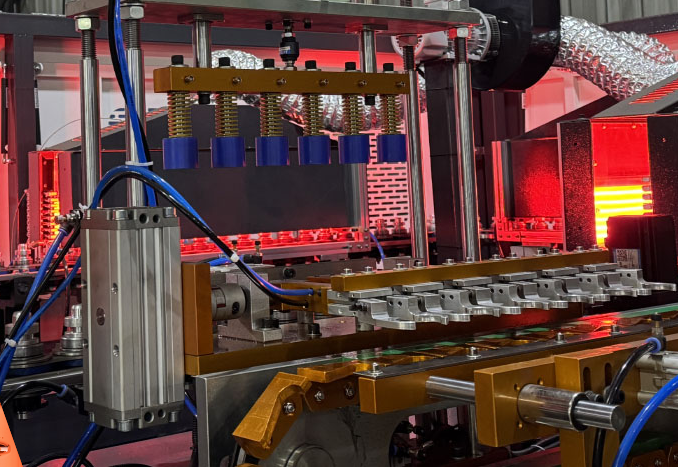
Stop the Burn-Outs: Getting More Life Out of Your Blow Molding Lamps
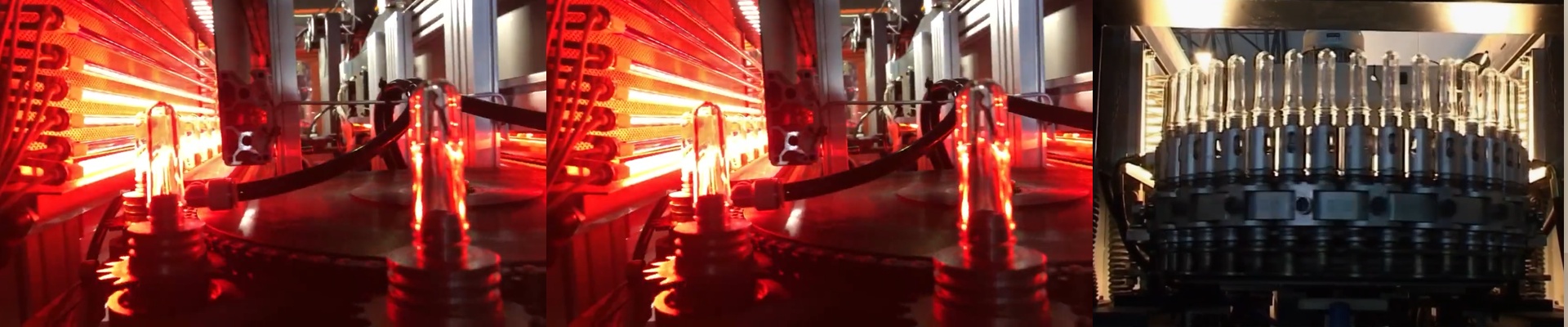
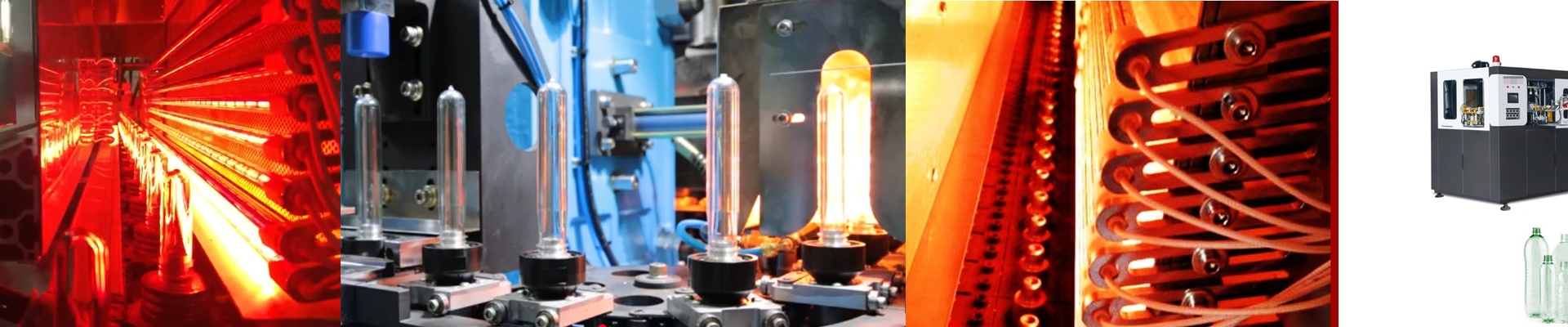
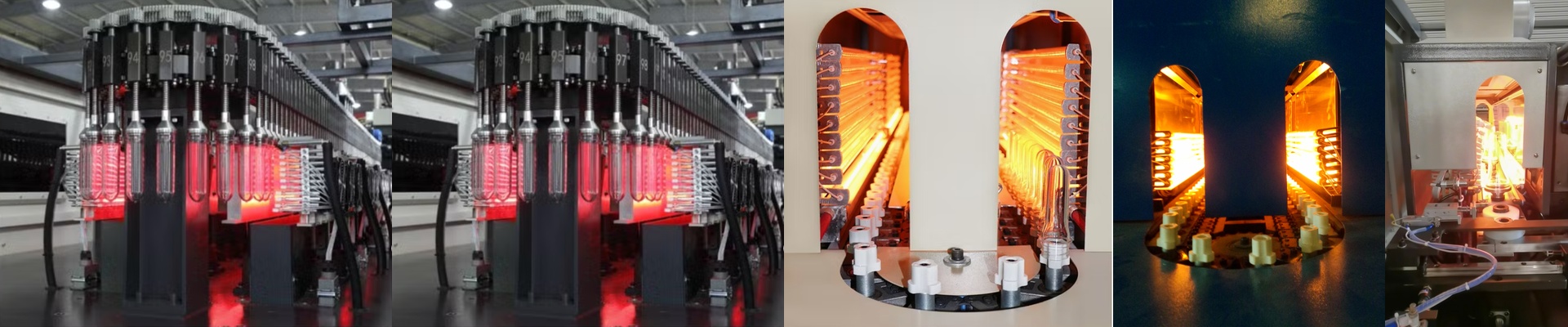
There is nothing more frustrating than a production line grinding to a halt because a lamp blew out. If you’re running SIG Blomax or Krones Contiform lines, you know the drill. You swap in a standard replacement, and a few weeks later—pop—you’re right back where you started. The problem is that high-speed ovens are brutal. The constant heating and cooling just eats standard lamps for breakfast. That’s why we started moving toward structurally reinforced infrared lamps. They fit right into the spots you already have, but they’re built to actually survive the job. The Heat Struggle To get those PET preforms just right—without those annoying pearlescent streaks or thin walls—you need serious, precise heat. You need the preform to hit that glass transition temperature fast. That means high wattage. That means high voltage. But here is the catch: your lamps are only as good as your airflow. If your cooling blowers are clogged with dust and gunk, the housing overheats. It doesn’t matter how fancy the lamp is; if it can’t breathe, the filament is going to fry. Keep those blowers clean. Built a Bit Tougher We decided to beef things up. We’re talking heavy-wall quartz glass and electrodes that are fused deeper into the envelope. Why? Because machines vibrate. A lot. And if a lamp isn’t sturdy, those harmonics can shake it loose or cause a tiny gas leak, which is usually what kills a halogen lamp in the first place. Plus, they’re much harder to snap during a rushed installation. And don’t worry about the wiring. We kept the connectors standard, so you can just pop them in without messing around with your machine brackets. Real-World Advice When you’re on the shop floor, the goal is simple: spend less time replacing bulbs and more time actually running bottles. These reinforced lamps handle the constant on/off cycling way better than the generic stuff. One quick tip, though.Don’t mix and match your wattages. If you put a different wattage lamp in a single heating zone, you’ll end up with hot spots in your bottles. It’s a headache you don’t need. Just replace them in matched sets for each zone to keep your heat profile flat and your bottles consistent.