
Why We Use Explosion-Proof Quartz in Shower Heaters
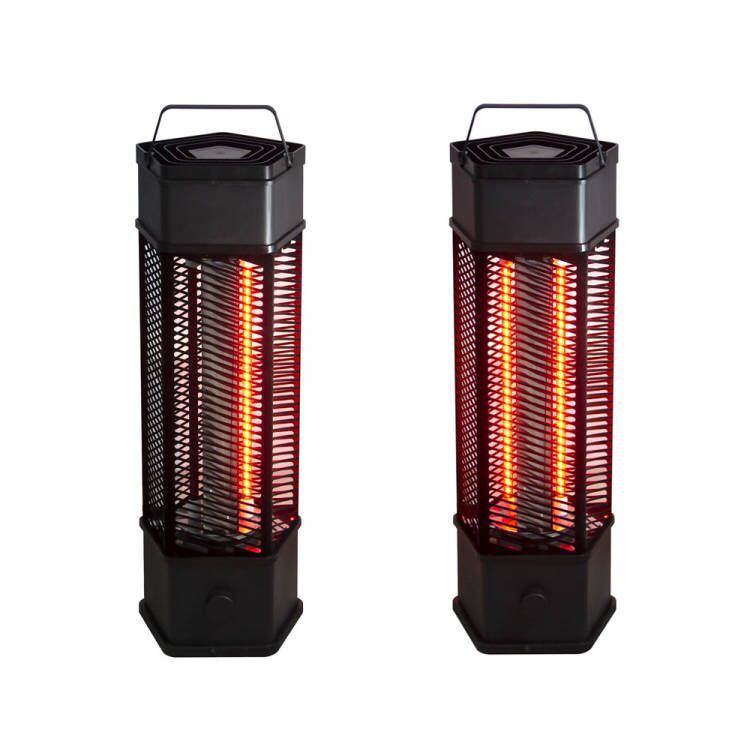
Putting an infrared heater in a shower is a tough ask for the hardware. You’ve got intense heat on one side and splashing water on the other. It’s a brutal combination. If a regular quartz tube cracks because a cold drop of water hits a scorching surface, you’ve got a problem. In a damp bathroom, that kind of failure can lead to electrical arcs, and that’s where things get dangerous. That’s exactly why we don’t mess around—we only use explosion-proof quartz tubing. Dealing with the “Shock” Standard quartz tends to shatter when it hits a sudden temperature swing. To stop that, we use tubes with reinforced walls and a specific tempering process. Think of it as a built-in safety net. Even if the outer shell somehow fails, the design keeps the filament contained. It keeps the heating element away from the water and, more importantly, away from you. It’s just a smarter way to build a fail-safe. Keeping the Water Out You’ll see an IPX4 rating on these units. In plain English? It means the heater can handle splashes coming from any direction without quitting. We make this happen by sealing every electrical junction and using gaskets that stop steam from creeping into the wiring. We also make sure the housing is grounded. If you don’t have a proper ground, a tiny leak in the tube could turn the whole chassis live. Nobody wants that. The Trade-off: Heat vs. Wear These lamps are powerful. They’re designed to warm up a chilly bathroom fast, but that intensity comes with a price. Shortwave lamps run hot. If your bathroom doesn’t have great airflow, all that trapped heat can actually eat away at the wiring insulation over time. Because of that, I always suggest checking your terminal connections once a year. Metal expands and contracts when it gets hot, which can loosen things up. A quick check saves a lot of headaches. One last thing:wire it up with a dedicated GFCI breaker. Even with the reinforced glass and the seals, the GFCI is your ultimate backup. It’s the only thing that will kill the power the very millisecond a ground fault happens. It’s the peace of mind you need when mixing electricity and water.