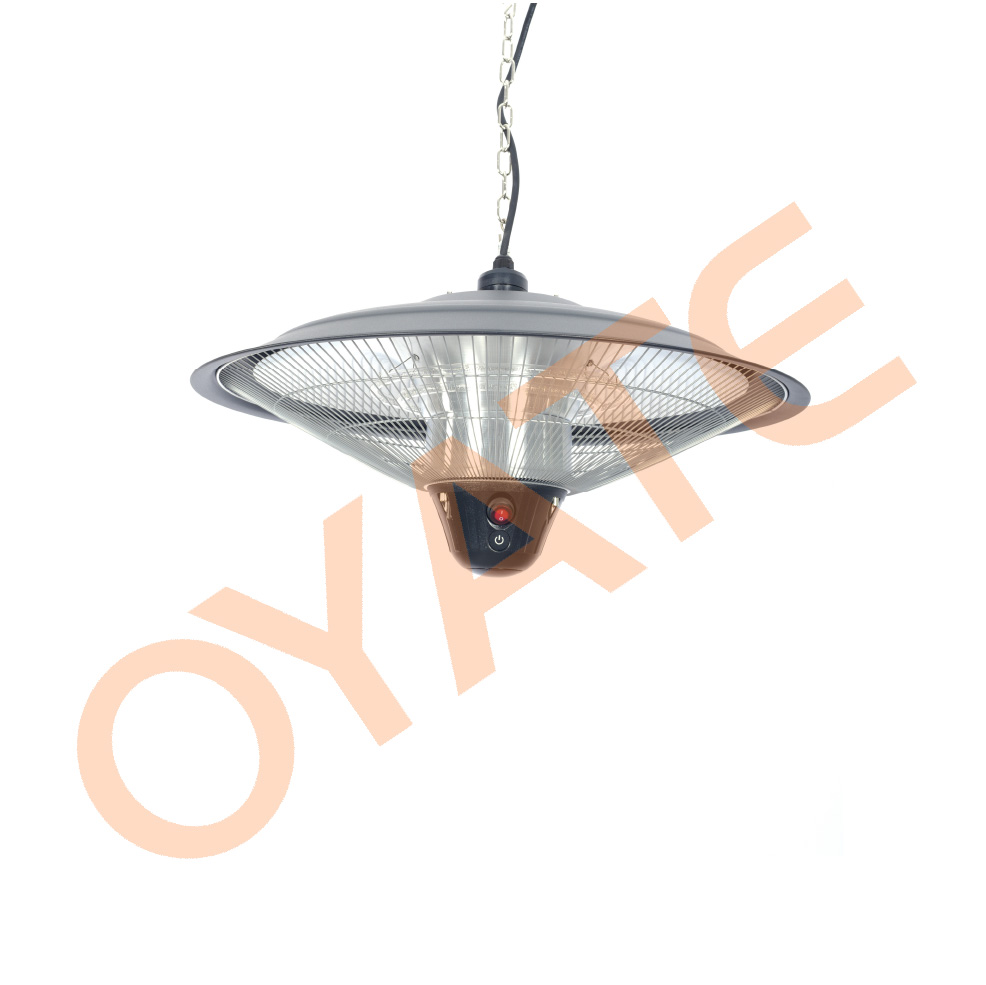
Five winters from now, when the quartz tube in your infrared heater finally calls it quits, it doesn’t have to turn into a weekend teardown. It can be a five-minute swap. We built this oscillating electric heater around a modular core because service should stay quick and clean—downtime in your living space shouldn’t feel like you’re running a factory line.
What’s actually going on under the hood
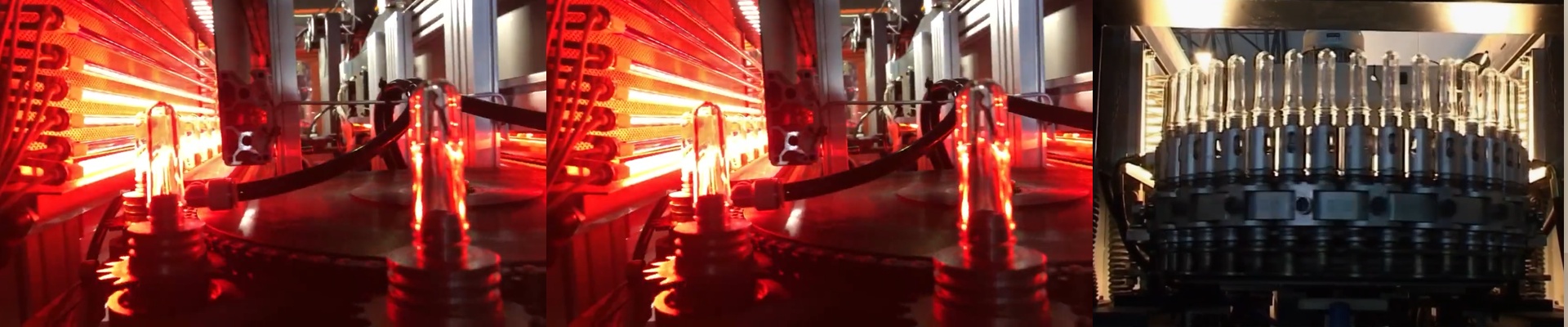
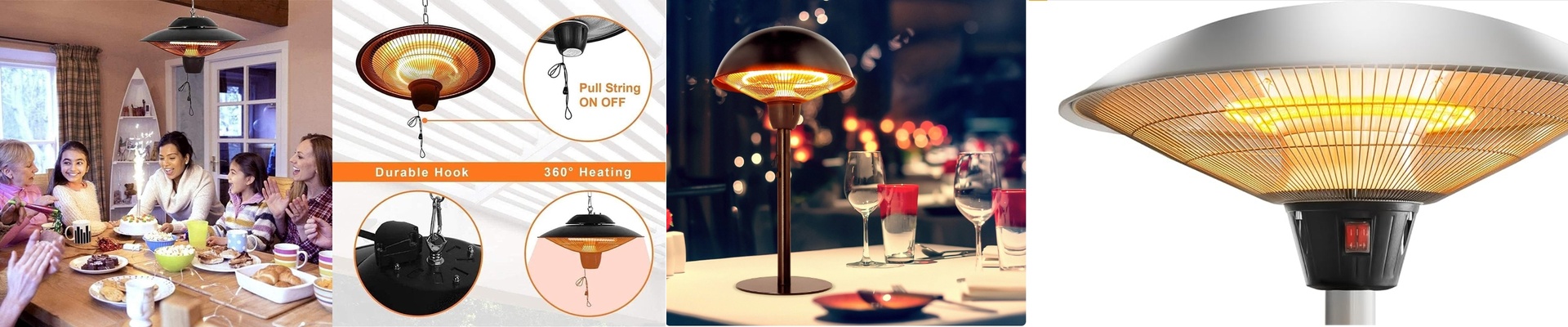
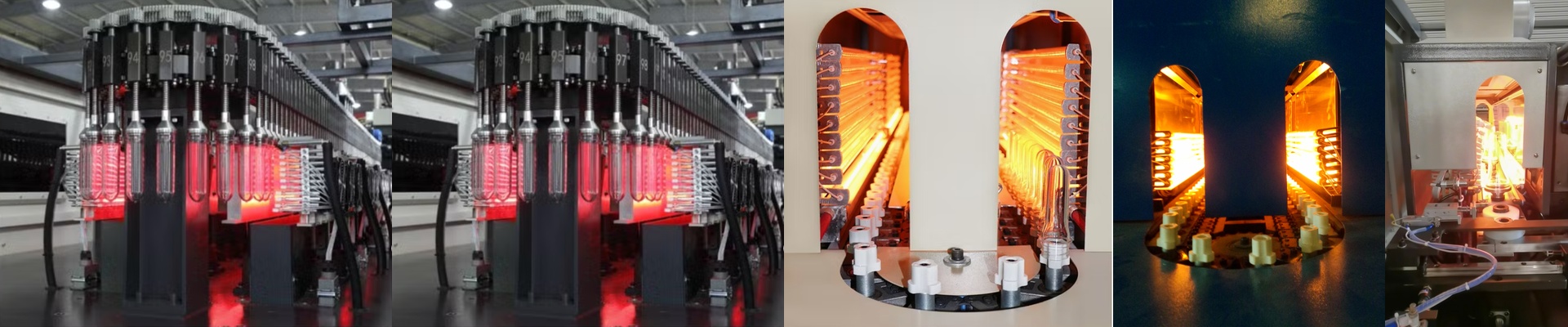
This is an electric infrared heater, plain and simple. It throws radiant warmth from a quartz heating tube, and the wide oscillation arc spreads that heat across a bigger slice of the room. The modular design keeps the core heating assembly in a quick-release frame, wired through a standardized low-voltage block. No prying off outer shells. No hunting for hidden screws. In practice, you get immediate directional warmth that feels even, not just a hot blast in one spot.
Why this matters in the real world
When comfort is the whole point, a heater that’s a pain to service quietly becomes a long-term cost. With this modular setup, a replacement takes minutes: unlatch the module, swap the tube, and re-latch. No special tools. No rewiring inside. No reason to scrap the whole heater when a single part hits end-of-life. That means fewer service interruptions, less mess, and a heating solution that stays dependable season after season.
The fine print—what to keep in mind
Because the module is designed for fast access, it needs a solid mounting point and proper clearance for airflow. Set the heater on a level surface and plug it into a dedicated outlet that matches the unit’s voltage rating. The swap itself is straightforward, but check the IP rating for your environment—outdoor or covered patio setups need the right protection against moisture. Keep it dry, and it will keep you warm.