



In a hot yoga studio, the heat has to hold steady—no drafts, no dry air that robs you of breath mid-sequence. When the temperature dips, the flow breaks: muscles tighten, breath shortens, and the whole practice stalls. We built this travel electric heater to keep that rhythm intact, using infrared radiant heat to warm people and surfaces directly, not the air around them.
What matters, technically
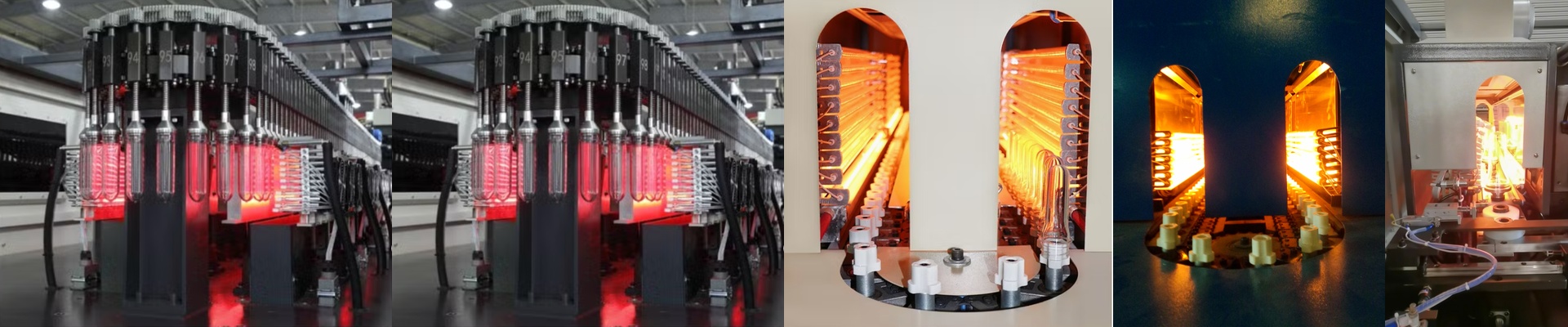
This travel electric heater runs on a carbon fiber infrared element that puts out soft, even radiant warmth. It comes up fast, hitting effective output in seconds, and it runs quietly—no fan noise to pull you out of a quiet sequence. The footprint is compact, and it plugs into a standard outlet, so you can set it near the mats without crowding the floor. Safety is straightforward: tip-over protection shuts the unit off if it gets bumped, and the outer housing stays cool to the touch. For control, an adjustable thermostat keeps the temperature consistent, so the room doesn’t swing from hot to cold between classes.
Why it works in hot yoga
Infrared warmth supports the body the way a practice needs. The heat penetrates gently, helping muscles relax so you can move deeper and hold poses longer. Because the heater warms bodies and floor surfaces directly, the air stays more comfortable—less stuffy, less drying. In hot yoga, the room should feel supportive, not harsh. And the quick start fits the schedule: turn it on before the first student arrives, and the space is ready when you are.
What you need to know
Place the heater where the radiant warmth can sweep across the mat area, without equipment or walls blocking it. Keep it on a level, stable surface and leave clearance for airflow. It’s light enough to move between rooms, but it needs a grounded outlet. In damp areas, don’t run it off an extension cord. In very humid conditions, give the heater time to establish stable warmth, and wipe down the housing after class so moisture doesn’t build up.