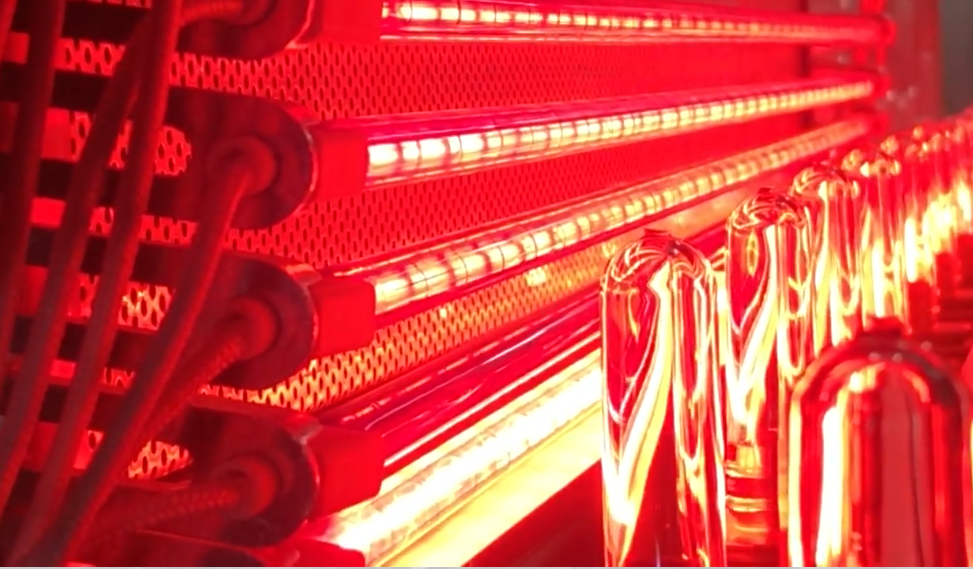
Getting the Heat Right for Sidel Matrix Blow Molding
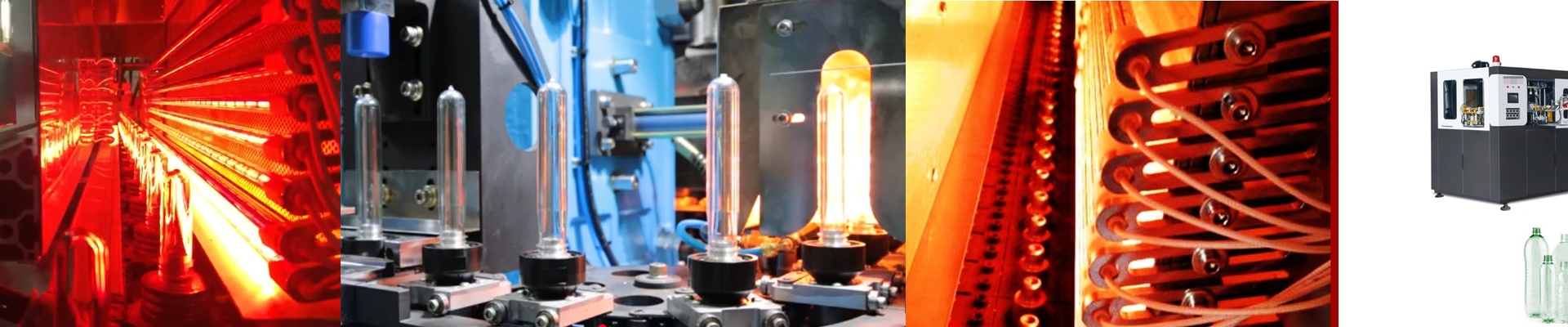
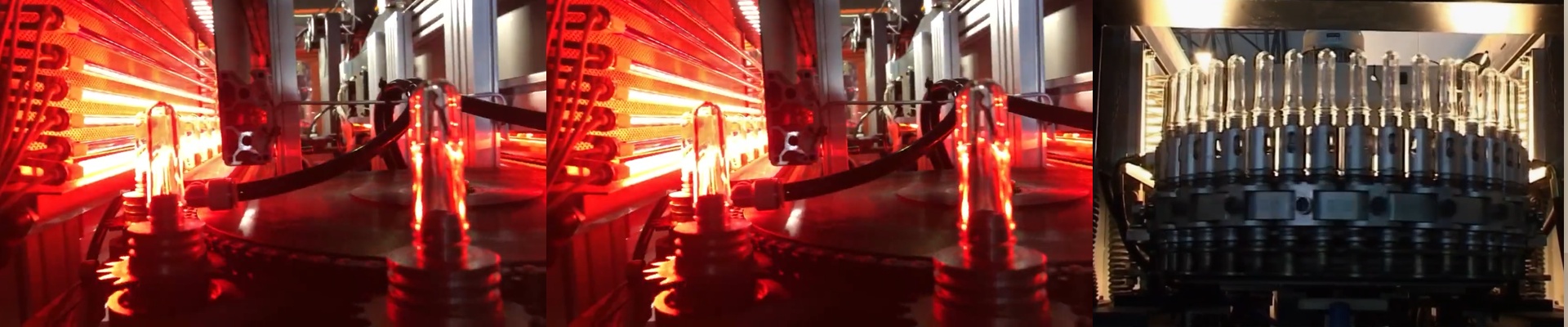
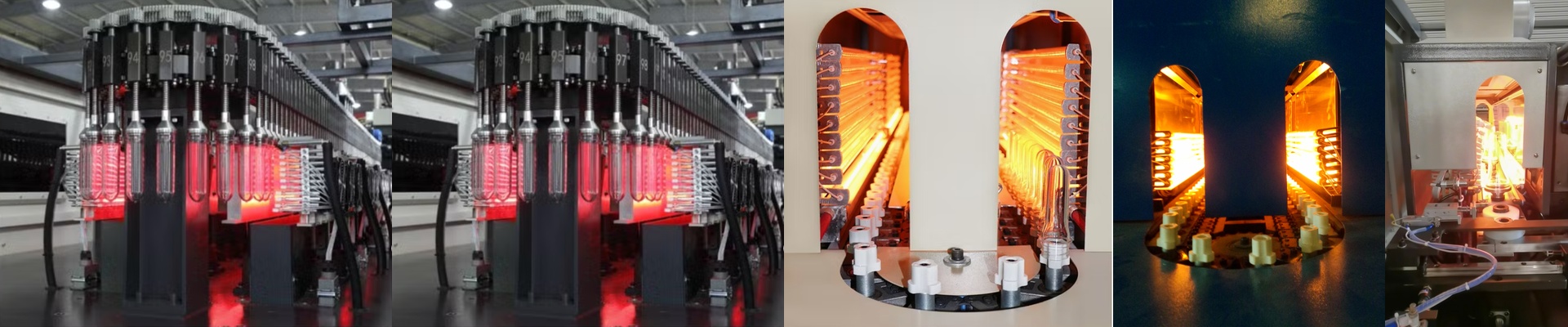
When you’re looking for a replacement lamp for a Sidel Matrix, it’s easy to think you just need to match the wattage. But it’s not actually that simple. If the spectral output or power density is off, you’re going to have a bad time. We build our IR lamps to mimic that original heating curve. The goal is to get your preforms to that perfect glass transition temperature without accidentally scorching the bottle neck.
Why the “Perfect Match” Matters
If you’re dropping in a replacement, the voltage, wattage, and length have to be spot on. Here’s the thing: if the wattage is off by even 5%, you’ll start seeing uneven wall thickness in your bottles. That’s a headache nobody wants. We keep our filament tolerances incredibly tight so the heat stays consistent from one end of the lamp to the other. The best part? You don’t have to spend your afternoon rewriting oven profiles or messing with machine timings. You just plug them in and go.
The Stuff Inside: Quartz and Reflectors
We use high-purity quartz glass. Why? Because it lets the shortwave IR radiation sink deep into the PET material. We’ve also tuned the coating to hit the exact frequency that PET polymer absorbs. And we use standard connectors. No fancy, proprietary nonsense—just a quick, secure wire-up that doesn’t risk arcing at the terminals.
A Quick Reality Check from the Shop Floor
These high-wattage lamps put out a massive amount of heat in a tiny space. Even with the best lamps in the world, you’ve got to watch your ventilation. If your cooling fans are clogged with dust or just plain dying, you’re going to burn through your lamps way too fast. It doesn’t matter how good the quartz is if the air isn’t moving. Keep those fans clean. Your equipment will thank you. By nailing the electrical specs and the light emission, we take the guesswork out of the process. You get the same thermal ramp-up you’re used to with the original Sidel parts, without the OEM price tag.