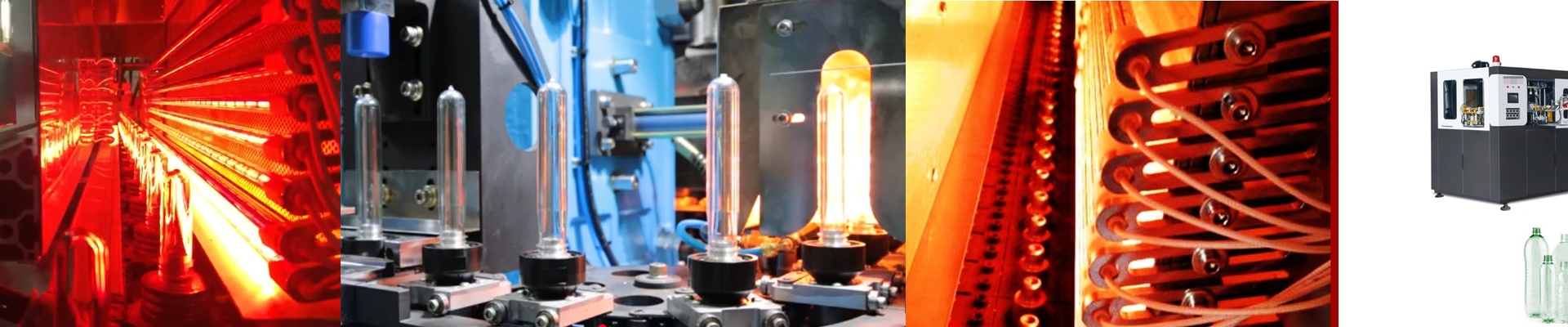
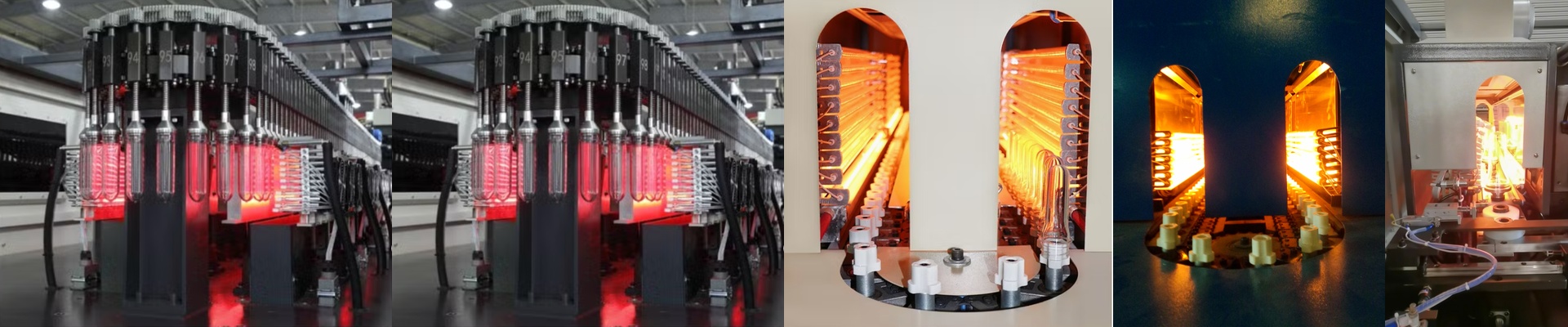
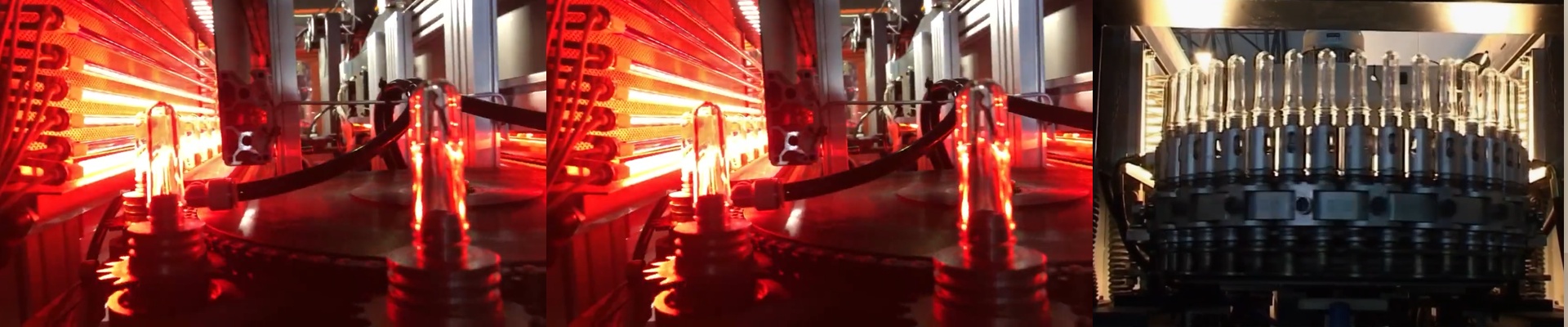
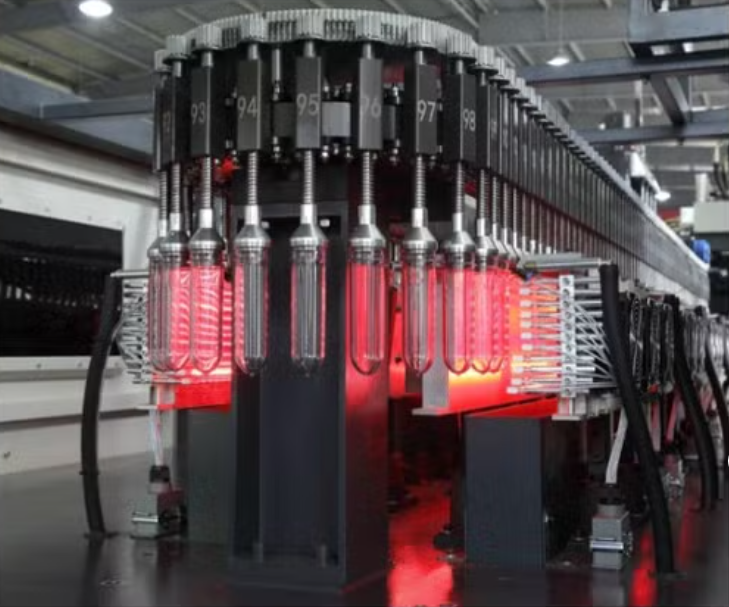
On the plant floor, your blow molder lives and dies on repeatability. If preform heating drifts, you’re staring down thin walls, PET crystallization, or bottles that miss the weight spec. Heaters get swapped way too often, and every unplanned stop bleeds material and time. What matters under the hood We make direct-fit infrared emitters for the heating tunnel—ceramic-based assemblies built for the job. The core is a high-purity quartz tube, finished with a ceramic end-cap and a filament layout that’s tuned for PET absorption. We match the OEM voltage and watt density so the heater throws a predictable heat flux without hot spots. Common formats cover R7s and mogul connectors, and the geometry drops into standard lamp tracks. The ceramic parts keep the joints stiff, ease thermal stress, and help hold lamp position steady—exactly what you need when the whole row has to see the same preform temperature. Why it plays in production With these heaters, preform heating stays repeatable, so stretch blow molding cycles don’t wander. You get fewer rejects from haze and stress marks, and less scrap from necks that got cooked. Energy use drops, too, because the emitter comes up fast and holds output without overshoot. Longer life and fewer replacements mean less downtime. Out in the field, we routinely see 5,000+ hours across many running conditions with minimal output loss, and the ceramic components hold up against repeated thermal cycling without cracking. The practical details Installation is straightforward, but the heating zone has to be clean and aligned. If reflectors are pitted or out of position, you can still end up with uneven heating, so check reflector condition when you make the swap. These heaters work with most blow molders, but on machines with proprietary lamp holders, confirm the connector type and lamp length. The first start after installation will take a touch longer to hit full stability, then it settles in and runs steady shift after shift.