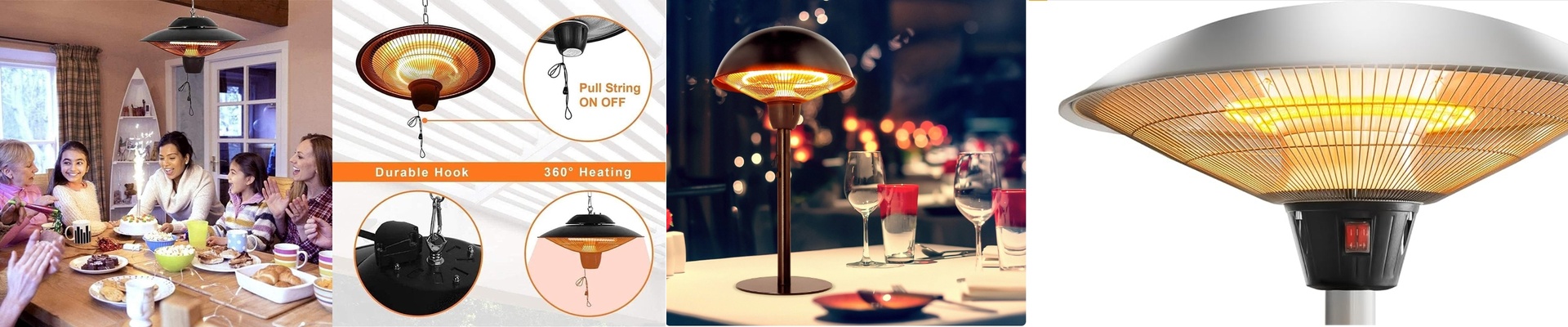
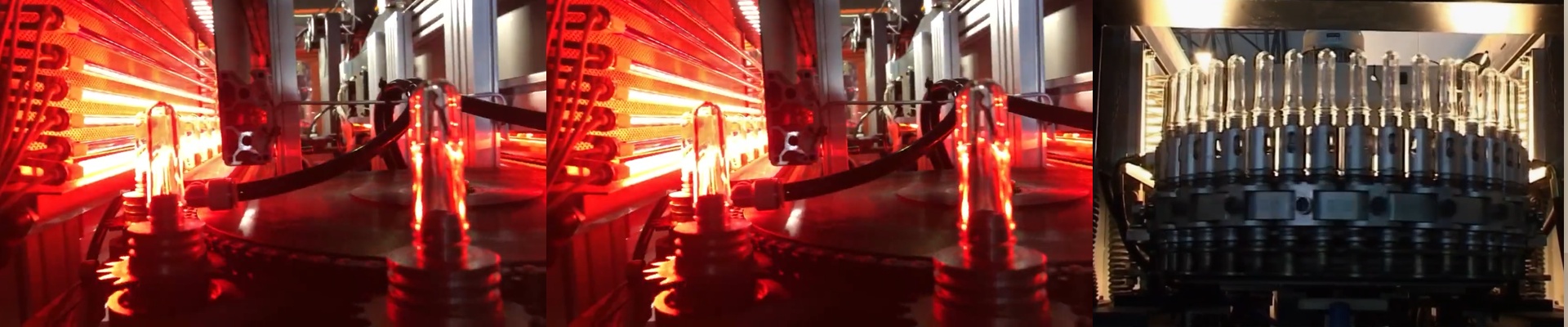
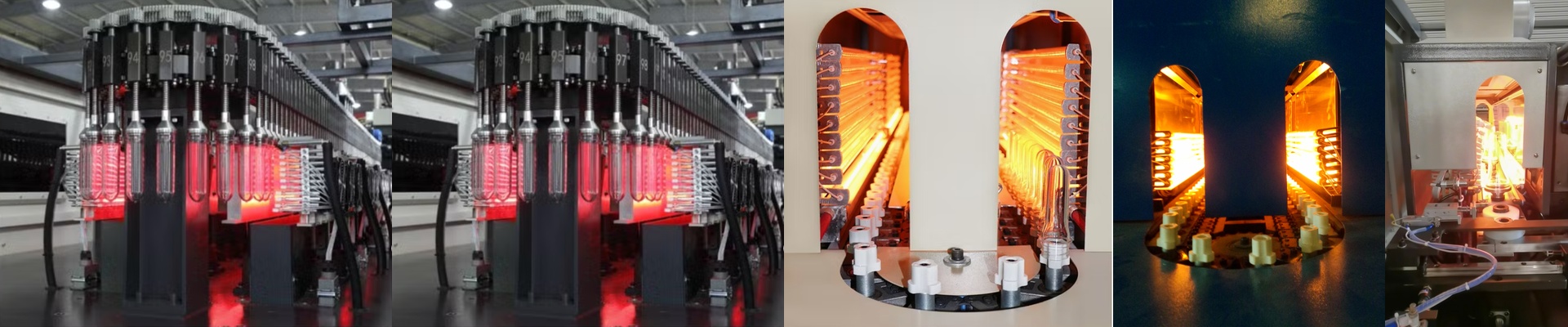
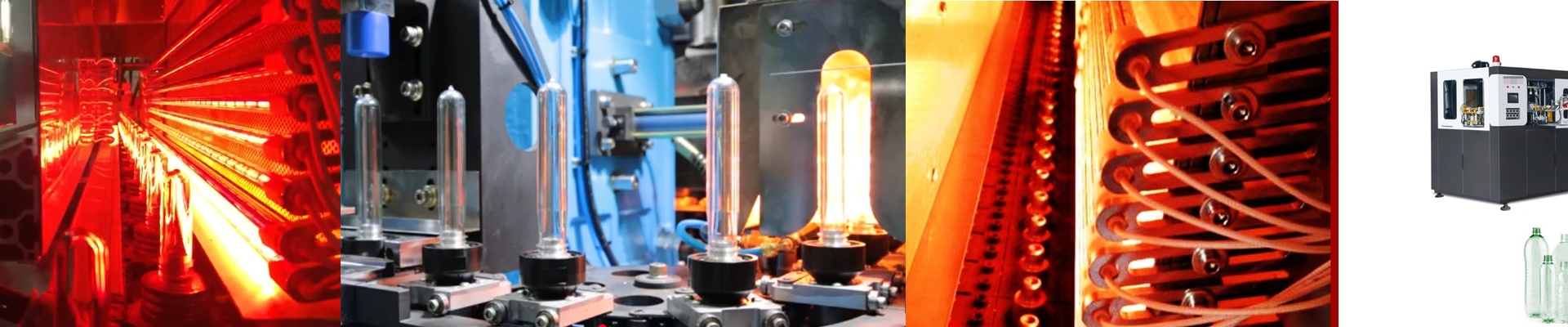
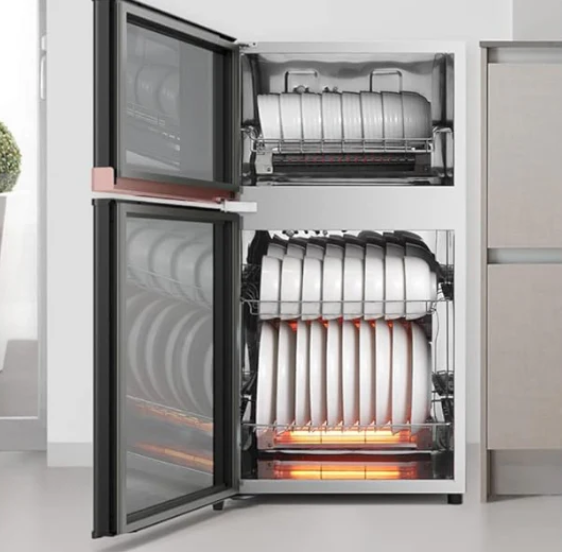
When service hits, your deck oven can’t be chasing temperature. If the top heat drops off, the crust goes pale, bread loses lift, and the line stalls while you try to compensate. The kitchen twin quartz heat lamp is built to keep the top of the baking chamber on target, hour after hour, so work keeps moving. What’s actually going on under the hood This unit runs two quartz tubes inside a compact, shielded housing. They deliver short-wave infrared that responds fast when the thermostat calls for heat. The twin-lamp layout spreads the heat pattern across the full width of the deck, cutting down hot and cool bands that cause uneven browning. In real terms, you get quicker recovery after the door opens and more repeatable caramelization on pizzas, flatbreads, and pastries. The lamps are rated for high cycle life, and the reflector geometry is set to aim heat downward where it matters—not into the surrounding frame. Why it makes sense in a busy oven In commercial work, reliability is measured in bake cycles, not hype. The twin quartz heat lamp helps you hold steady temperatures through back-to-back bakes, so you keep product consistent without slowing the pace. That means fewer rejected sheets, fewer comebacks from the pass, and a more predictable energy draw per bake. For deck ovens—and for select convection units where top heat is the make-or-break—this is about protecting quality when the volume is on. The details that matter on install day Mounting clearance matters. The lamp has to be positioned to match the oven’s internal geometry and airflow, or you’ll create hot spots and shorten service life. It also needs a dedicated circuit and proper shielding to cut glare and prevent heat loss. The quartz tubes are long-lived, but they still need scheduled inspections and a plan for replacement. Match voltage and wattage to your oven’s spec, and confirm compatibility with your thermostat and control profile before you wire it in.