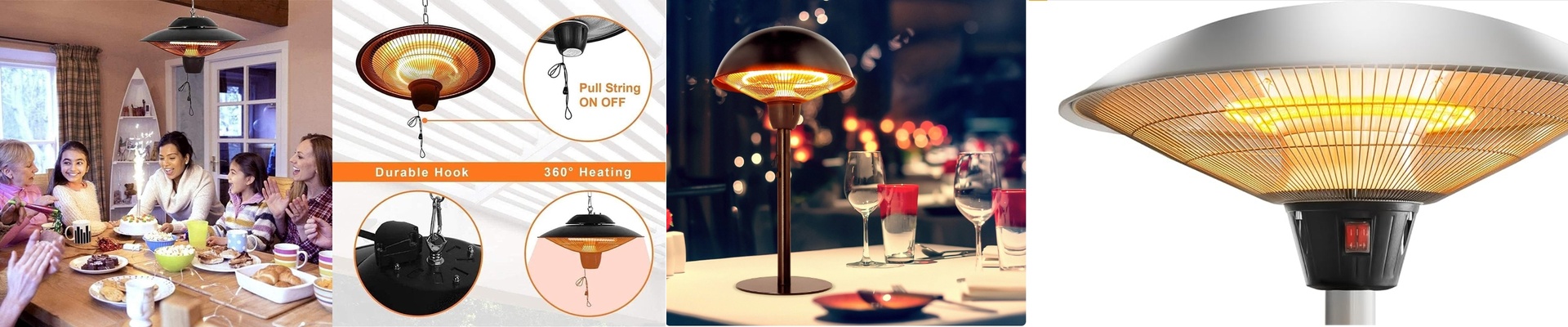
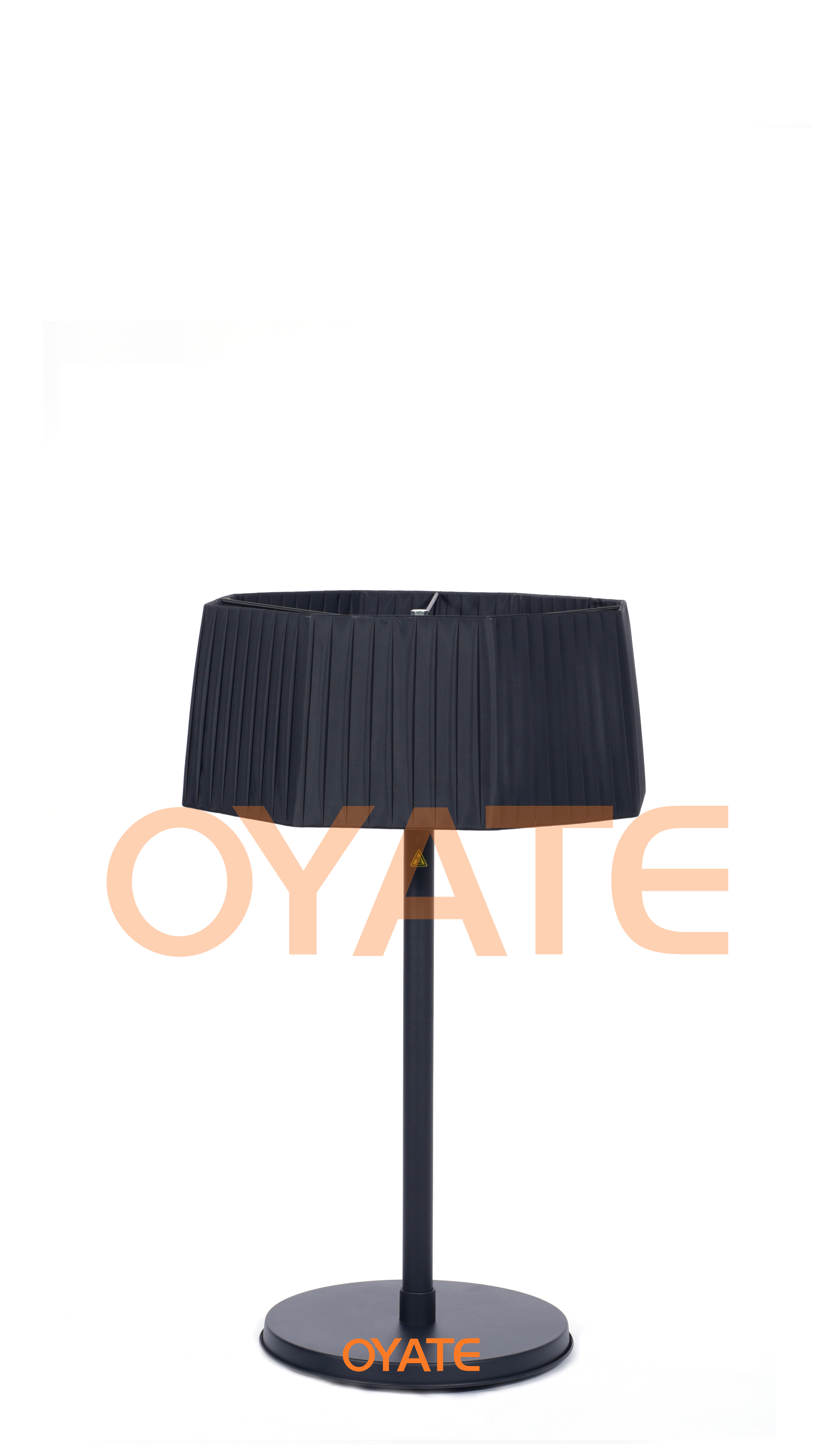
In a lab that demands precision or a display window that has to look flawless, even a speck of dust or a degree of temperature drift can blow the whole job. Forced-air heaters kick up debris, and their heat is all over the place. We built this indoor electric infrared heater to fix that. No fans. No dust being pushed around. Just clean, directional warmth that stays where you aim it.
What’s actually happening under the hood
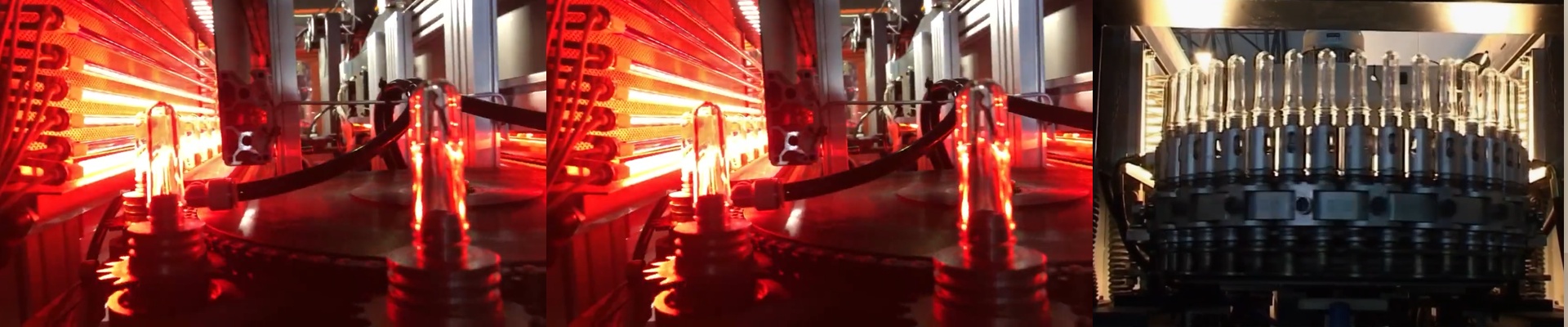
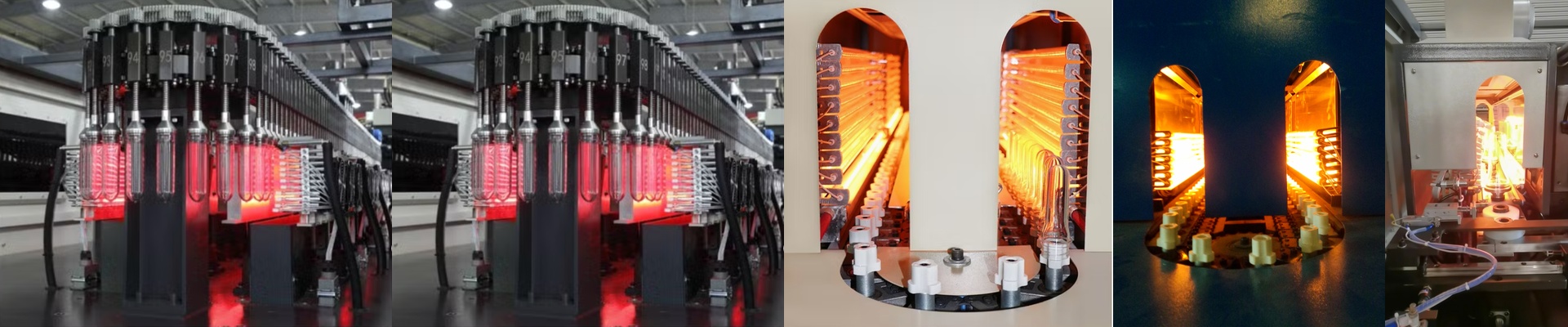
The unit runs on short-wave infrared quartz tubes. They throw radiant heat straight onto the target, a lot like sunlight warming a surface. The element comes up fast, hitting target temperatures within seconds, and the built-in thermostat holds output tight—typically within ±1°C. With no moving parts, there’s zero air movement, so you’re not stirring up dust. It runs quiet, and the radiant profile is focused, so you can dial the warmth in exactly where you need it.
Why this matters in practice
In display windows, fabrics, glass, and delicate finishes stay clean—no dust settling, no static from moving air. In labs, the stable temperature protects sensitive instruments and samples, cutting down on drift and fewer recalibration cycles. You get conditions that are consistent and repeatable, and the energy use stays sensible because the heat is targeted and immediate.
A few field notes
Infrared heat warms objects and people directly, not the air, so the ambient air temperature can feel a bit cooler. For best results, position the heater so it bathes the target area, and make sure line voltage and amperage match your outlet. This is electric and needs a dedicated circuit—call an electrician for hardwired installs. Keep clearances clear, and remember the quartz tube gets hot to the touch. Plan your mounting height with that in mind.