You know that split-second when the oven door swings open. If the bake is off, you see it right away—pale patches on the crust, gummy under the top, trays that have to go back in before service. In a busy line, that isn’t just wasted food. It’s timing, labor, and your reputation bleeding away. In a convection oven, the heating element isn’t just there to get hot. It has to deliver steady, repeatable heat into moving air—without hot streaks or cold pockets. That’s why a gold-coated convection oven quartz tube is built the way it is: for fast response, even radiant output, and the day-in, day-out abuse of airflow and temperature swings inside a commercial baking chamber.
What actually matters under the hood
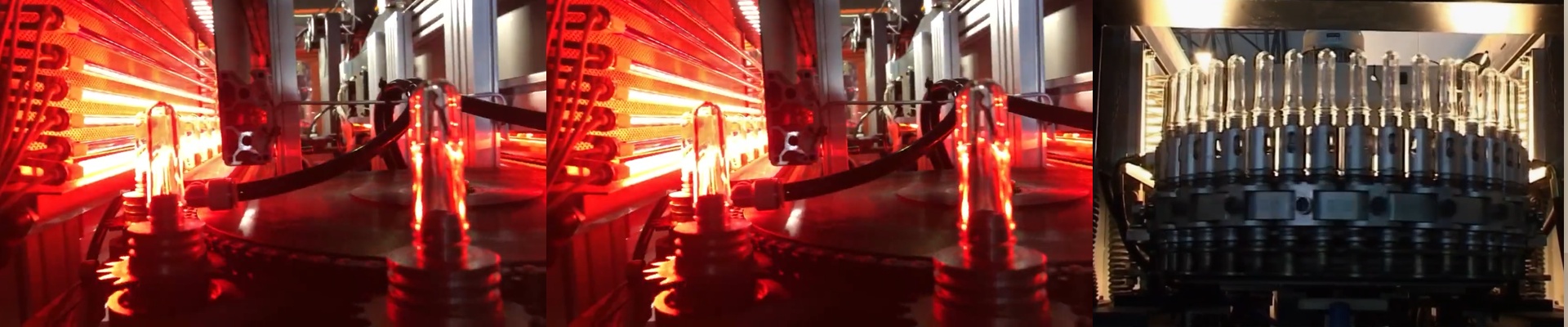
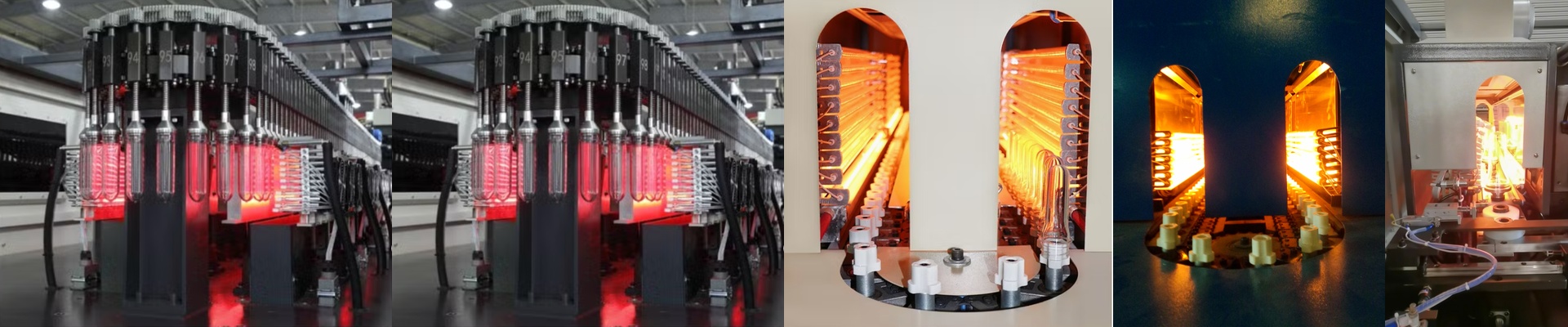
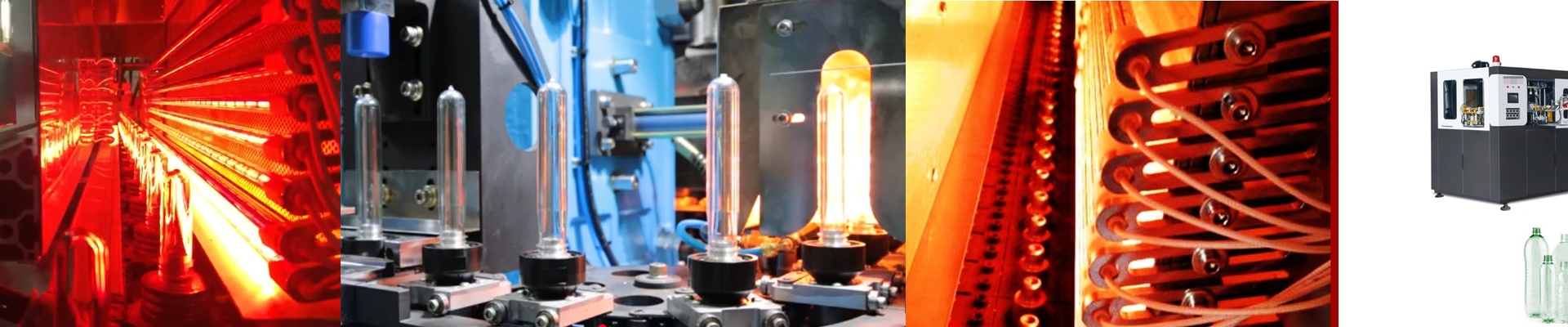
A gold-coated convection oven quartz tube isn’t “just a heater.” It’s a radiant heat source designed to work inside forced-air cooking, where air movement can otherwise make energy delivery uneven. The quartz tube is chosen for thermal stability. It heats fast and cools fast, which helps with control during quick bake cycles and cuts down on overshoot when you go from high heat to holding. The gold coating isn’t for looks. It’s an infrared-reflective layer that helps push radiant energy back into the chamber more efficiently, so heat arrives more evenly at the food. In real-world terms, you get two results that matter in the kitchen:
- **Fast recovery, stable temperature.**The element responds quickly when the thermostat calls, so the oven recovers faster after door openings and big batch loads.
- **More consistent browning across the pan.**Radiant heat works alongside convection, reducing the gap between the center of a tray and the edges. These tubes are commonly used as replacement heating elements in commercial convection ovens. When the specs line up—voltage, wattage, overall length, terminal type, and mounting clearance—the element drops into the existing oven system without rewiring or redesign.
Why this works in a convection environment
Convection baking is strong, but it also exposes weak spots in heat delivery. When airflow is aggressive, the heating system has to keep up without creating localized hot spots. And when you’re running deck ovens, rotary ovens, or convection ovens at high volume, the smallest inconsistencies turn into real problems:
- **Baking uniformity improves.**With more even radiant output, trays come out more consistent front-to-back and side-to-side. That means fewer re-bakes, fewer comps, and a finish you can count on.
- **Crust and color become repeatable.**The gold coating helps keep radiant energy steady, supporting better caramelization and Maillard browning across the whole load—without scorching the edges.
- **Cycle time tightens.**Faster recovery means shorter bake windows for many items, which helps when you need the oven back online fast during a rush.
- **Energy use per bake gets easier to manage.**Shorter bake times and stable recovery reduce total energy draw per cycle, especially when you’re running a lot of small batches. In a bakery, that matters on laminated doughs like croissants and danishes, where layered fat and dough need even heat to set without burning. In a pizzeria, it matters on pan pizza and thin crust, where bottom bake and top browning have to happen together. In a multi-product kitchen, it matters because the oven stops being a variable you chase and becomes a tool you trust.
The practical details you can’t skip
A gold-coated quartz tube is a solid upgrade, but it’s a matched component—not a universal swap. **Match the spec.**Wattage and voltage have to match the oven’s design. Too low, and recovery slows and bake times drift. Too high, and you risk hot spots and element stress. Confirm terminal type, lead length, and mounting dimensions so you don’t run into clearance issues inside the chamber. **Expect warm-up behavior.**Quartz tubes come up fast, but like any radiant element, they settle in once the oven reaches steady-state. For delicate items, give the oven a few minutes to stabilize after heavy use before loading the next batch. **Protect the coating and the quartz.**Don’t let the element contact racks, pans, or cleaning tools during installation. Use ceramic or approved insulators where the element passes through the chamber wall. Clean only with methods recommended for quartz—harsh abrasives will damage the surface and hurt performance. **Plan for heat at the terminals.**Connection points get hot. Keep wiring, insulation, and nearby components in mind during replacement. If your oven runs in high humidity or gets frequent cleaning, make sure the terminal housing and seals are right for the environment. If your convection oven is fighting uneven bake, slow recovery, or inconsistent color, the heating element is one of the first places to look. A properly matched gold-coated convection oven quartz tube won’t make every oven into something it isn’t, but it will give you stable, responsive heat that makes consistent food quality easier to deliver—shift after shift.