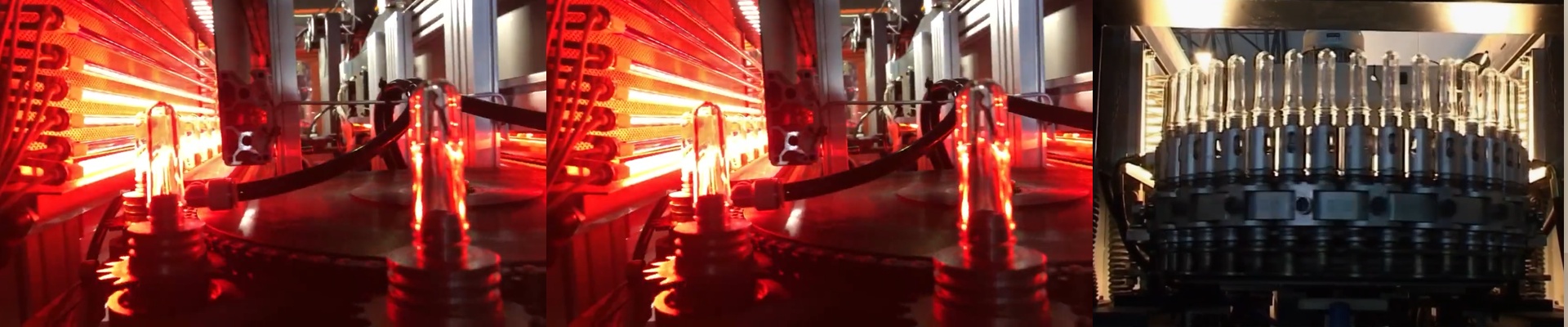
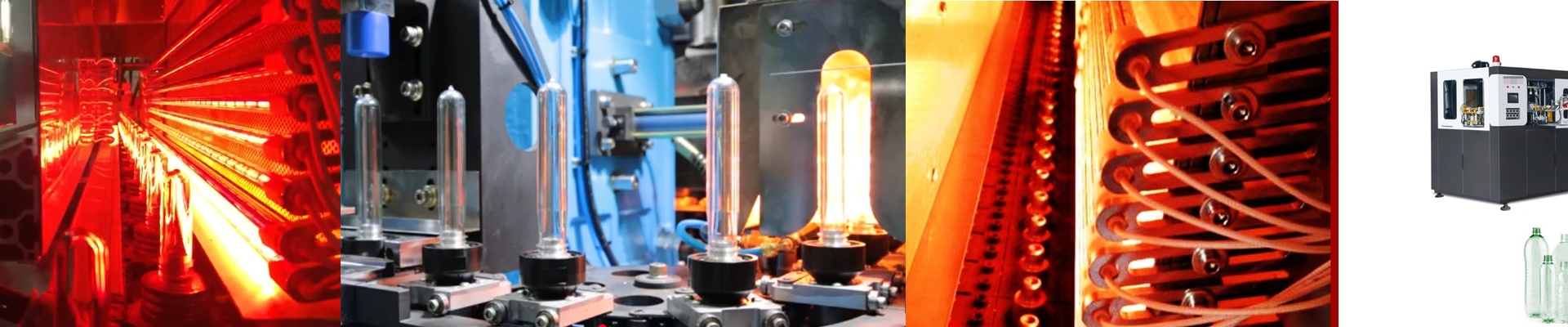
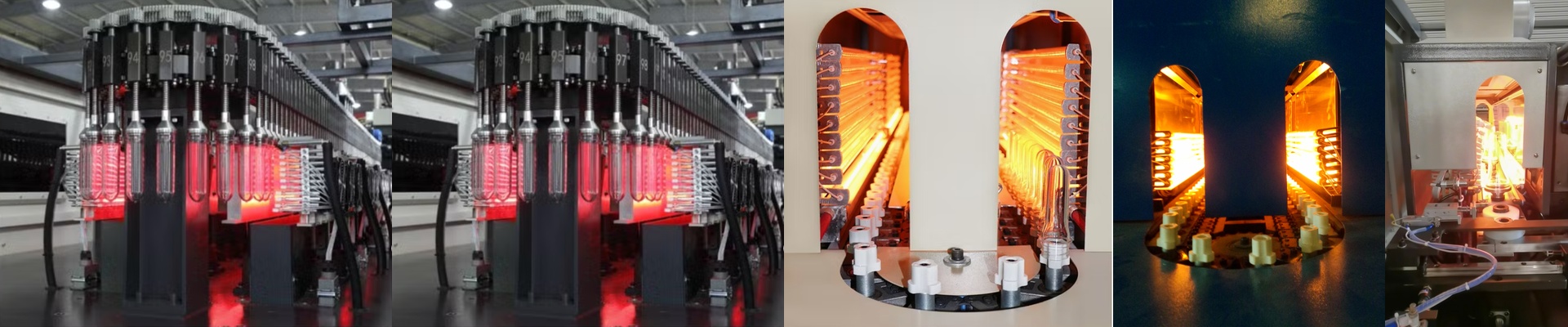
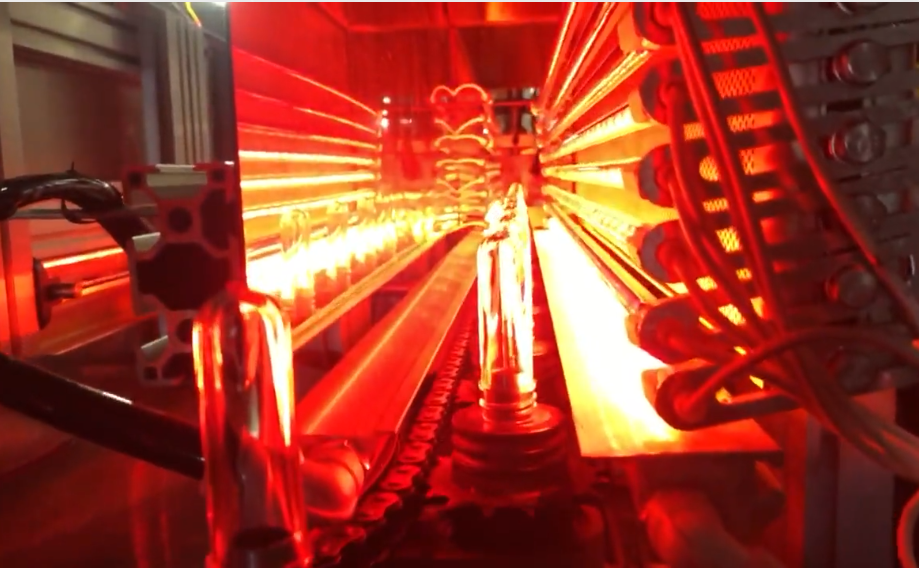
On the blow molding floor, the oven zone is where the run either gets made or gets killed. Preform temperature has to land in a tight window before it hits the stretch blow step. Let the reading drift, and you’re staring down uneven wall thickness, neck crystallization, and a sudden spike in rejects. We built our thermocouple for the preform oven zone to keep that feedback honest—shift after shift.
What matters, technically
Temperature control is only as good as the sensor giving the controller the truth. That’s why we spec a thermocouple that behaves like the OEM unit in your heating tunnel.
- Type and range: We stick with Type K (NiCr–NiAl), covering the usual preform heating window from roughly 0 to 400°C. The output is stable and repeatable, and controllers across blow molders recognize it without re-scaling.
- Fast response: In an infrared oven, preform surface temperature moves fast when line speed changes. Depending on the mounting style, we use an exposed or grounded junction to cut response lag. That gives the controller time to correct before the preform leaves the zone.
- Mounting and dimensions: We match the original footprint—probe diameter, length, and the thread or clamp interface—so it drops into the same bracket and sits at the same measuring point. No rework, and the setpoint geometry stays consistent.
- Connector and termination: We supply the right connector for the oven zone—often a standard 2-pin plug or terminal head—so you can swap without rewiring the controller. Termination is crimped and sealed to stand up to heat soak and vibration.
- Materials for heat and wear: The sheath is stainless or a high-temperature alloy, chosen to survive repeated thermal cycling and the bumps of routine maintenance. This isn’t decoration; it’s built to take the heat.
Why it holds up in stretch blow molding
In stretch blow molding, the preform has to heat uniformly so the polymer stretches predictably. If the oven-zone thermocouple is off-spec, the controller chases a ghost. You see it on the line right away.
- Consistency improves: When the sensor tracks actual preform temperature, the controller holds tighter bands across the carousel. That means fewer thickness swings and less variability in bottle weight.
- Scrap drops: Overheated preforms that crystallize, and underheated ones that blow out, both fall off when the oven feedback is accurate. Less scrap means less regrind and fewer restart losses.
- Energy use goes down: If the sensor reads true, the heaters don’t overshoot. You run at the required temperature without excess power, and the energy per thousand bottles comes down.
- Downtime falls: A drifting or failed thermocouple forces a line stop while you troubleshoot. We build for long life under continuous heat, so you run longer between planned maintenance windows. We’ve watched plants swap a generic thermocouple for a spec-matched oven-zone unit and cut temperature-related rejects noticeably within a week. Exact numbers vary by line and bottle geometry, but the pattern holds: accurate sensing stabilizes the process.
What you need to know before you install
The thermocouple is small, but it lives in a rough spot. Here’s what we tell customers up front.
- Compatibility isn’t guesswork: Give us the blow molder make and model, and the oven zone part number if you have it. We match the probe dimensions, mounting method, and connector so the replacement installs without modification. If the machine uses a proprietary interface, we build to that drawing.
- Position drives the reading: The thermocouple measures what it can see. If it’s shielded from the preform path or tucked in a dead zone, the controller sees a different temperature than the preform surface. Keep the measuring point aligned with the original OEM location.
- Heat and electrical noise: Oven zones are electrically noisy, and heat soaks the surroundings. Use shielded cable where required, keep leads away from high-current lines, and secure connections so vibration doesn’t create intermittent readings.
- It’s a wear part: Even with tough materials, thermocouples age. Long exposure to high temperature can lead to calibration drift. Set a preventive replacement interval based on your line hours, and keep a spare on the shelf so one failure doesn’t stop the line.
- One real constraint: In some oven designs, the thermocouple shares tight space with quartz or halogen infrared emitters. Heat reflection can bias the reading. We address this by selecting junction styles and sheath finishes that reduce solarization effects, but the oven geometry still matters. If you’re seeing reflection-related swings, we’ll work from your oven layout to pick the right variant. If you’re running Sidel, Krones, SIPA, Husky, SACMI, or Nissei ASB blow molders, we supply a thermocouple that matches the oven zone requirements as delivered—no guessing, no re-engineering. We’re after the same thing you are: a stable temperature profile, repeatable cycles, and fewer surprises on the line. Tell us the machine, the oven zone, and the connector. We’ll send the correct thermocouple for the preform oven zone and get your heating back to the numbers that keep the bottles coming out right.