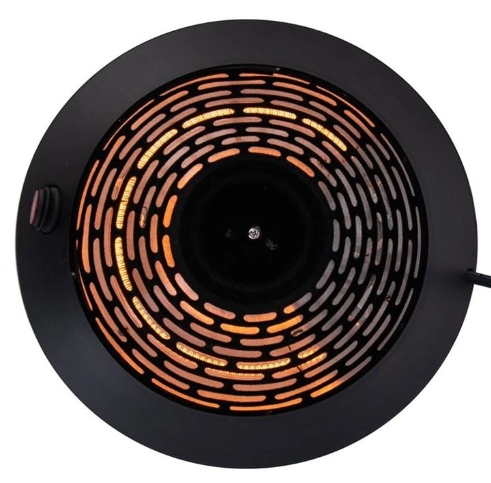
Why We Put Our Bathroom Infrared Heaters Through the Wringer
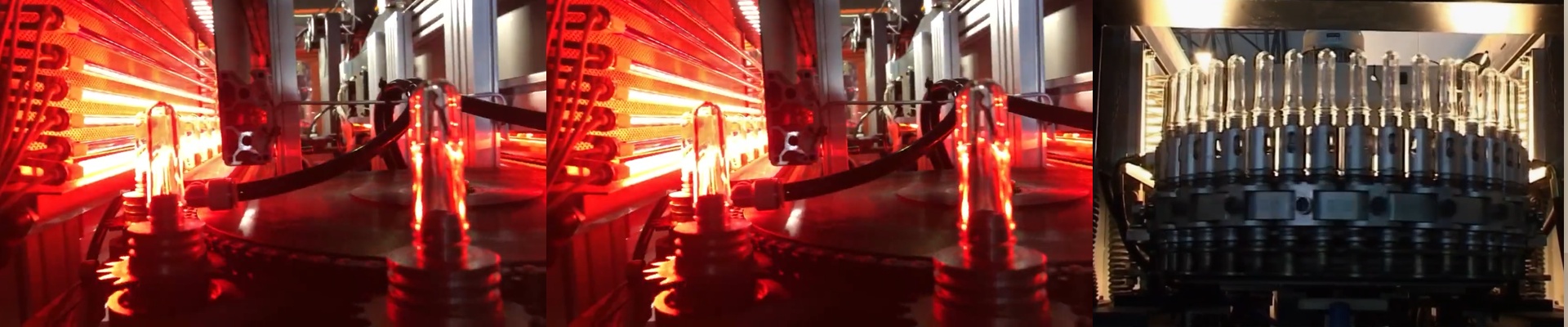
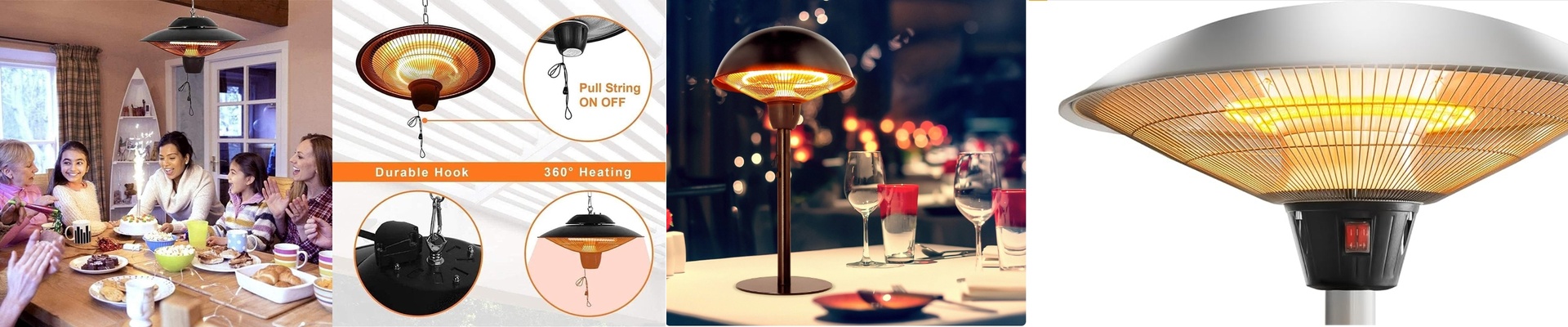
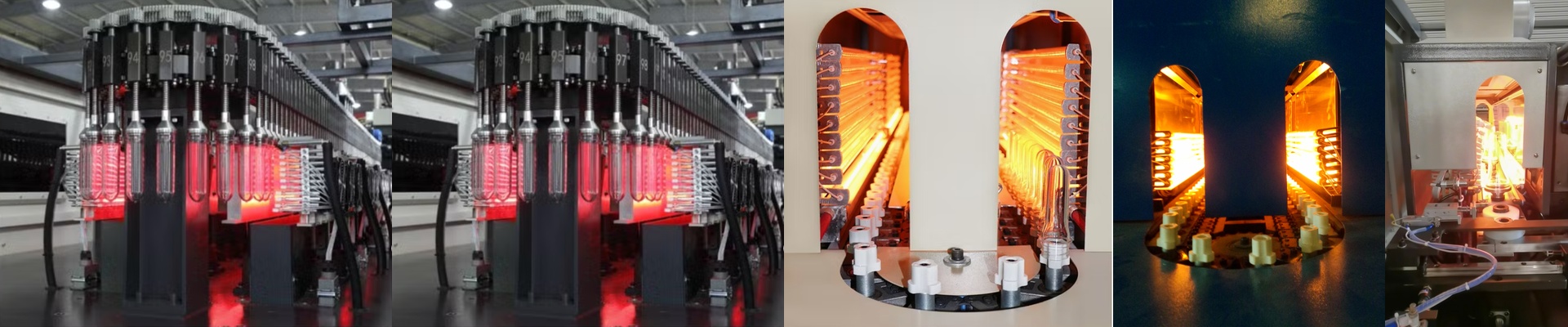
We make bathroom infrared heaters for one simple reason: to thrive in the absolute worst conditions. Think about it. Steam, heavy humidity, and wild temperature swings aren’t just background noise. They’re constant, direct attacks on the electronics and the quartz envelope. So we do the hard thing. We put every single unit through brutal hot and humid aging tests. This isn’t a marketing gimmick. It’s a real-world check to make sure the heater you install doesn’t let you down once it’s in the field.
Power, Voltage, and the Truth About Heat
We built these heaters to be compact and intense. The wattage is tuned to give you that immediate, radiant warmth. And the voltage is matched to standard industrial power, so you can spec it into your system without having to redesign everything. The whole point is high heat density—fast warm-up, focused heat. But here’s the trade-off. The lamp itself runs hot. So the fixture around it and any nearby wiring have to be rated for that heat. We don’t design around the problem. We design for it, head-on.
The Stuff It’s Built From: Quartz, Coating, and a Simple Connection
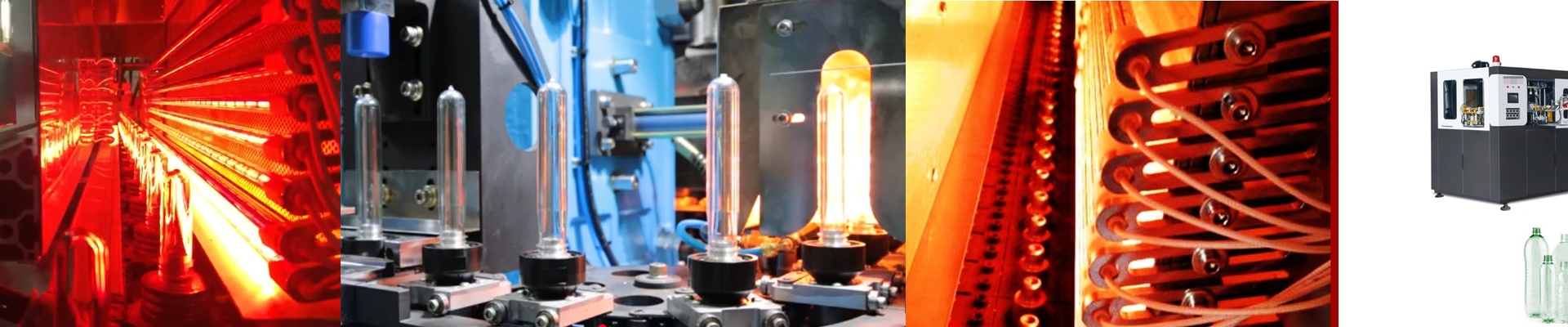
At the core is a quartz envelope. We chose it for its ability to handle thermal shock and keep output stable, no matter how many times it cycles on and off. Halogen technology helps maintain consistent performance over the lamp’s life, so you don’t get that frustrating output drop that forces you to over-spec your system. Then there’s the coating. It’s there to manage the heat spectrum and shield the element from the corrosive bathroom air. And the connector? We use an R7s or similar two-terminal interface. It keeps installation dead simple. A direct, solid connection you can swap out in minutes, not hours.
Reliability You Can Feel, Not Just Read on a Spec Sheet
In a humid bathroom, things don’t just fail suddenly. They fail slowly. Corrosion creeps into the base. Condensation causes electrical tracking. Thermal cycling loosens connections over time. Our aging test accelerates all of that. It exposes the weak points long before the lamp ever leaves the factory. For you, that means predictable maintenance and no nasty surprises during installation. If your project needs infrared heat that can take a serious beating, the specs are important. But the real proof? It’s in the testing.