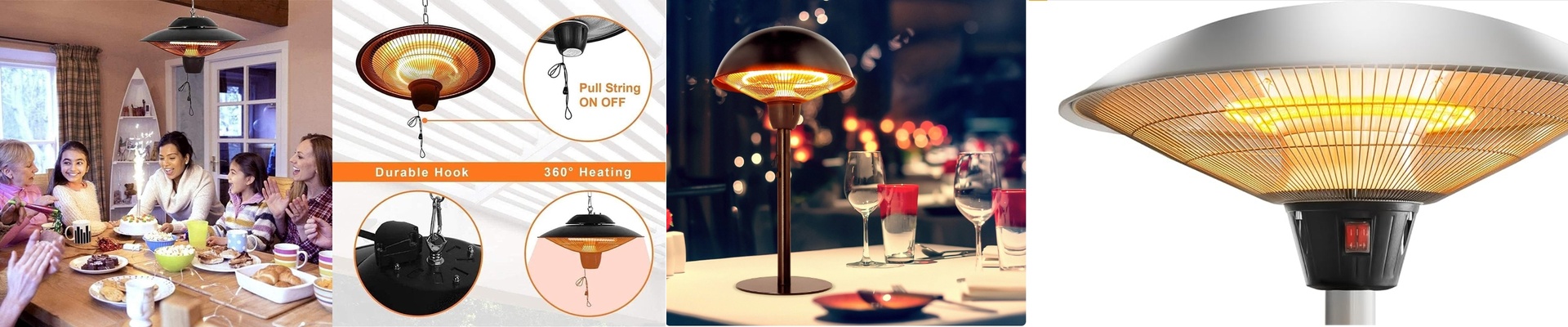
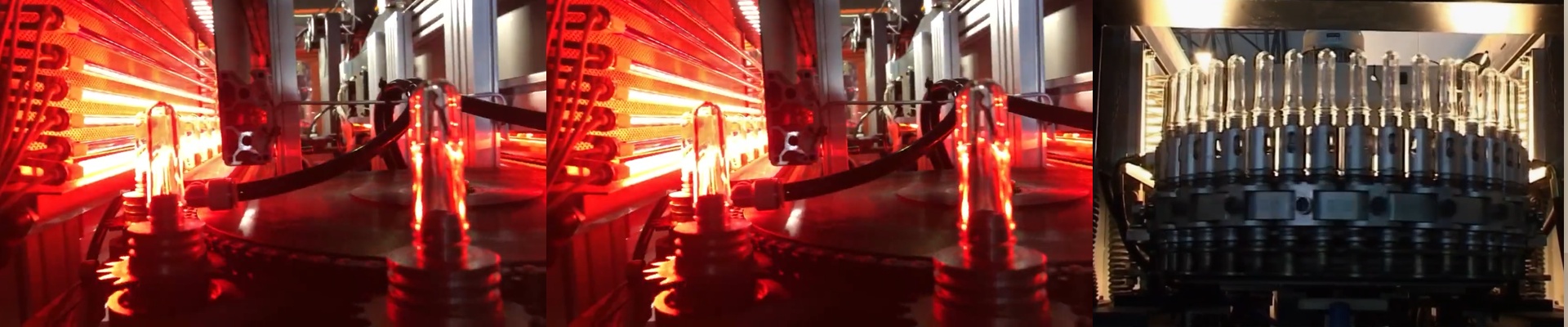
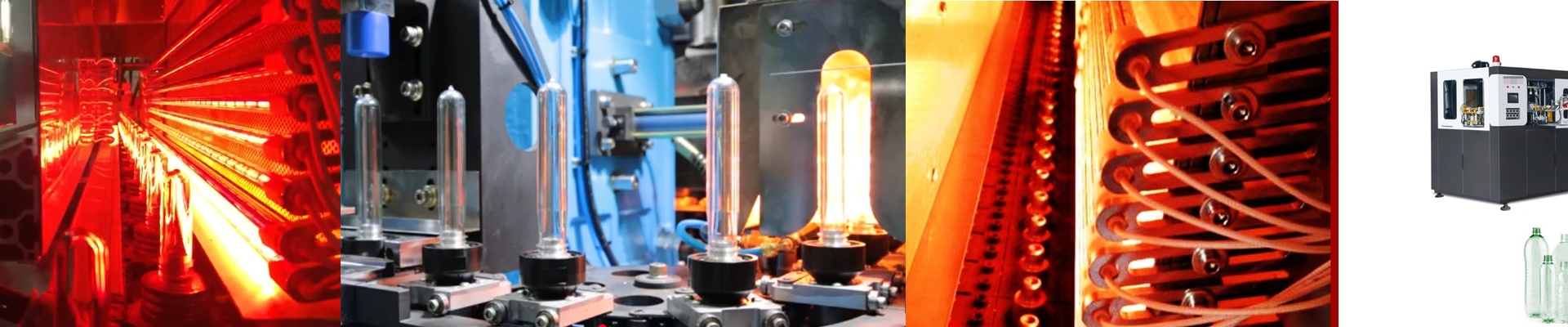
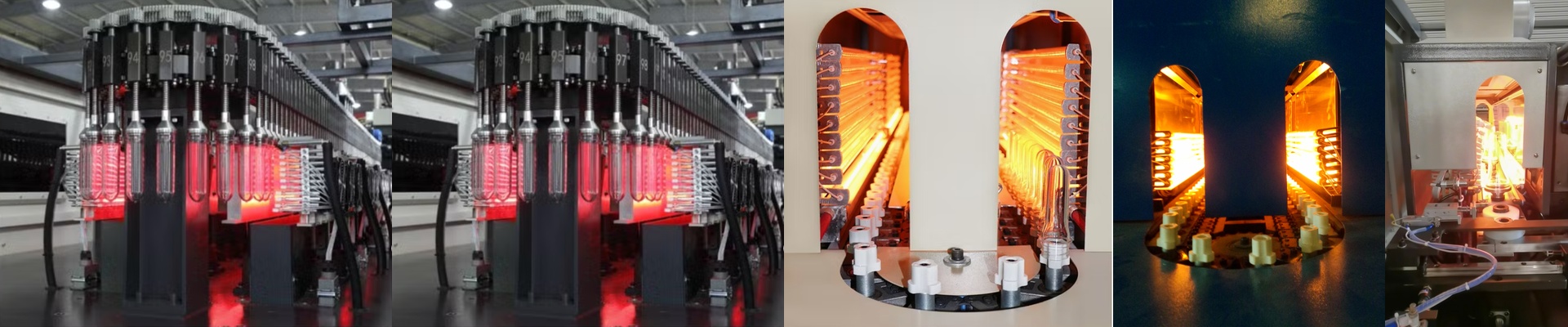

When service starts, heat has to show up—right now. A deck oven that’s still cold at opening costs you minutes and gives you uneven bakes. A warming cabinet that chases temperature swings dries out finished food. The clear quartz food warmer heating bulb is a practical way to fix both, because infrared output behaves predictably during real kitchen hours.
What matters under the hood
Infrared quartz heat responds almost immediately. The filament comes up fast and radiates energy straight into the load, not the air around it. That means better temperature recovery after the door opens, and more stable surface temps across pans and stones. The clear quartz envelope keeps the element running clean and helps output stay consistent over time. Expect 5,000+ hours with minimal lumen loss, so performance stays steady shift after shift. Quartz glass also handles thermal shock well, so rapid cycling is less likely to crack the element.
Why this fits the equipment you run
In a deck oven, that quick response gets the stone hearth up to set fast—so you get repeatable crust set and controlled caramelization from the first order out. In a rotary oven, infrared heats the baking chamber more evenly, cutting down the hot-banding that shows up as inconsistent color. For warming cabinets and holding stations, the bulb holds product temperature without the swings that pull moisture out. Food stays plate-ready instead of turning leathery. The control is direct and repeatable, so your crew can dial in a bake or hold and run it the same way every day.
What to watch for
Installation is straightforward, but match the socket type, voltage, and wattage to the equipment specs. Mismatched wiring or undersized fixtures will shorten element life. Keep the quartz surface free of grease and carbon buildup. A filmed bulb loses output and can create hot spots. You’ll see a slightly higher initial energy draw during warm-up. Once it settles, the targeted infrared heat can reduce overall energy use compared with heating large volumes of air.