


Winter nights have a way of turning bedrooms into a waiting game. You lie there, hoping for warmth that never fully shows up, while forced-air heaters keep clicking and humming—keeping your brain wired. It turns into a cycle of chill and noise that grinds away at deep sleep.
What actually matters, technically
Far infrared heaters don’t warm the air first—they warm objects and people directly. The heart of it is a carbon fiber element that glows at a low surface temperature, putting out broad, even radiant heat.
The payoff is comfort: a gentle, sun-like warmth that reaches your skin without scorching. And because there’s no fan, these electric heaters run whisper-quiet—often below 35 dB(A). They’re built as plug-in units, and many include a thermostat for steady room temperature control.
For safety, look for tip-over protection and overheat protection. In a bedroom, a cool-touch housing is the difference between “fine” and genuinely worry-free.
Why this fits the bedroom
In a bedroom, quiet and steady warmth are what make sleep possible. Far infrared warmth doesn’t dry out the air, so you skip the parched throat and static that forced-air systems tend to leave behind.
The heat arrives quickly, easing muscle tension and helping you relax—so falling asleep tends to come easier. You get consistent comfort without big temperature swings, and the quiet operation means you’re not getting jolted awake by clicks, whirs, or air rush.
The practical details
Placement matters. Set the heater so the radiant field covers the bed and nightstand, and keep it at least three feet from bedding and curtains. Think of it as supplemental heat—best paired with decent insulation and a tight door seal.
Most models plug into a standard outlet, but if you’re running it all night, an outlet on a dedicated circuit is the safest route. If you want a timer or smart control, check the specs before you buy.
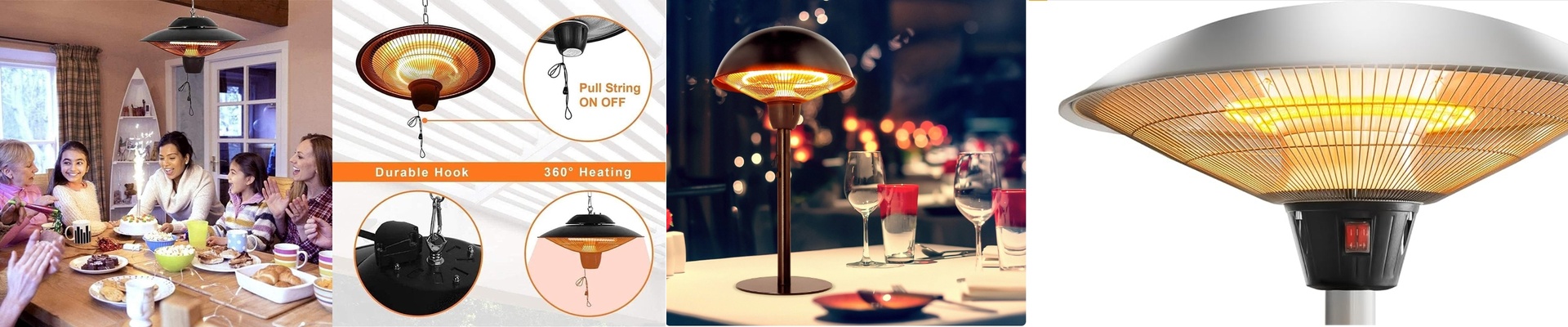
And yes, the unit emits a soft glow. If you need total darkness, angle it away from your direct line of sight.